Are your bucket list destinations primarily influenced by what you encounter online? I have to confess, mine somewhat are. In today’s world, where mindless scrolling has become the norm, it’s hard to ignore the charm of places like Vietnam, Japan, Iceland, Paris, and Italy that flood our screens daily.
Vietnam, in particular, caught my attention. In addition to its appeal as a tourist paradise, Vietnam has established itself as a prominent global manufacturing hub for textile and technology-related products. Giants like Nike, Adidas, Uniqlo, Samsung, and many others have chosen Vietnam as a base for their manufacturing operations. The country’s strong workforce and supportive government policies have played a significant role in this development and this is the reason we see “Made in Vietnam” label adorning our everyday tees. Even from a distance of 3000 miles, I was already astonished and overwhelmed by the abundant opportunities that Vietnam presented.
Fansipan mountain in Sa Pa. Rice paddies of Tam Coc. Ancient town of Hoi An. Pristine beaches of Nha Trang and Phu Quoc. Limestone cliffs & Floating villages of Halong Bay. Legendary Wartime history of Cu Chi Tunnels. Marble mountains of Da Nang. Thrilling Vespa rides in vibrant Ho Chi Minh. Enchanting French Architecture & Pagodas of Hanoi.
If you’re anything like me, you’d easily add a dozen more places to that list without batting an eye. But with a country as diverse as Vietnam, and our desire to make the most of our travel experiences, it can be a challenge to fit everything into just a few days. That’s why I finally convinced myself and my family that delving deep into Vietnamese culture would be far more rewarding than merely scratching the surface.
I can’t say what made me fall in love with
Vietnam – that a woman’s voice can drug you;
that everything is so intense. The colors, the taste, even the rain.
Graham Greene on Vietnam
Our first stop on this Vietnamese adventure was Hanoi, the charming capital situated on the banks of the Red River. As you wander through the city, you’ll catch glimpses of the revered leader Ho Chi Minh on buildings and billboards, encounter communist party banners, marvel at towering skyscrapers and French-inspired architecture, witness locals donning the iconic Nón lá (Vietnamese conical hats), and encounter numerous quaint cafes and coconut vendors. The symphony of scooter, e-bike, and bicycle honking will both delight and perhaps irk you at times. Hanoi, and Vietnam as a whole, is a mesmerizing fusion of nature, culture, history, and the lively spirit of Southeast Asia.
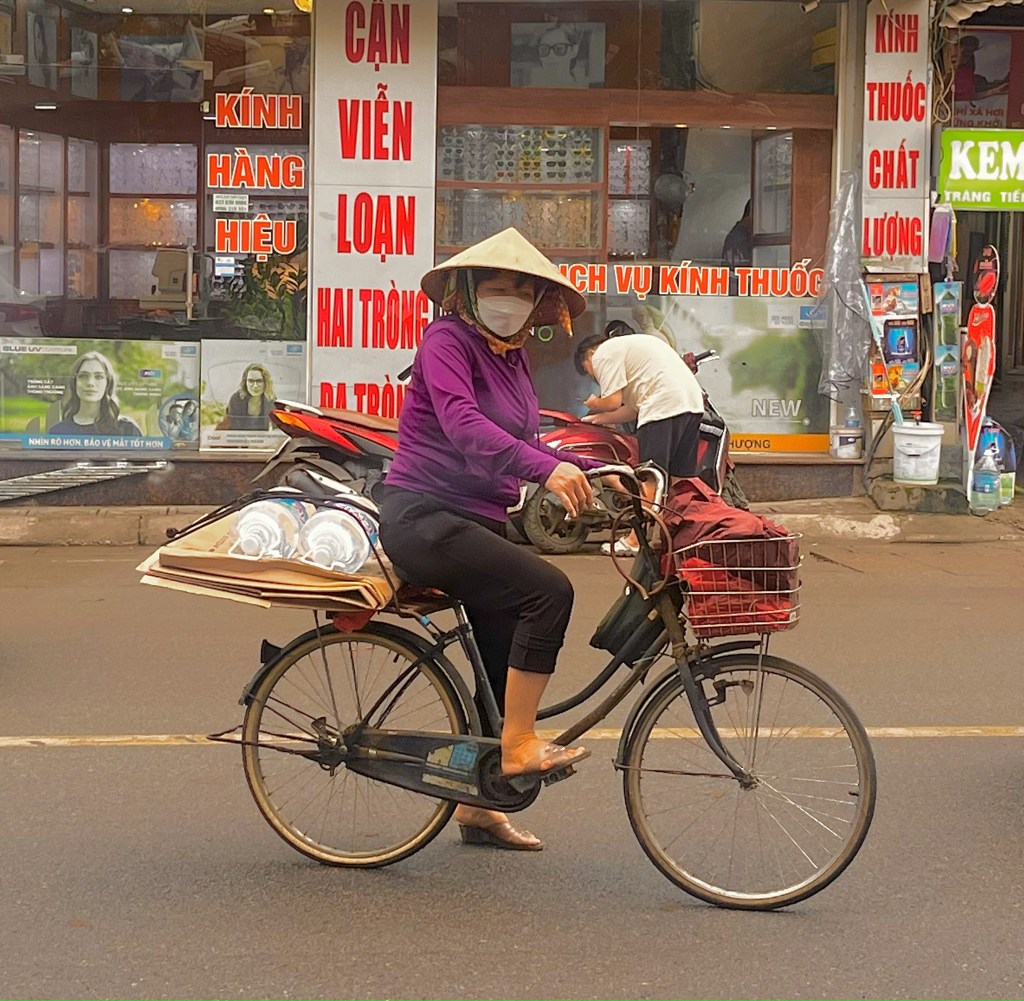
In Hanoi, you’ll find an array of attractions, from bustling night markets to historical landmarks, and from the famous Train Street Line to cozy cafés. Let me take you through some of the highlights:
The Old Quarter : The Old Quarter is a vibrant neighborhood brimming with history, culture, and an abundance of experiences. Explore its landmarks, savor the local cuisine, and immerse yourself in the lively atmosphere to truly capture the essence of this captivating district.
Main landmarks in the Old Quarter:
- Hoan Kiem Lake: A picturesque lake at the heart of Hanoi, featuring the iconic red Huc Bridge and Ngoc Son Temple on a small island.
- Thang Long Water Puppet Theatre: Witness the traditional art of water puppetry, a unique cultural experience that brings folktales to life.
- Bach Ma Temple: Visit this ancient temple dedicated to a white horse, believed to be the protector of Hanoi.
- Dong Xuan Market: Dive into the vibrant market atmosphere, where you can find a wide range of goods, from clothing and souvenirs to street food.
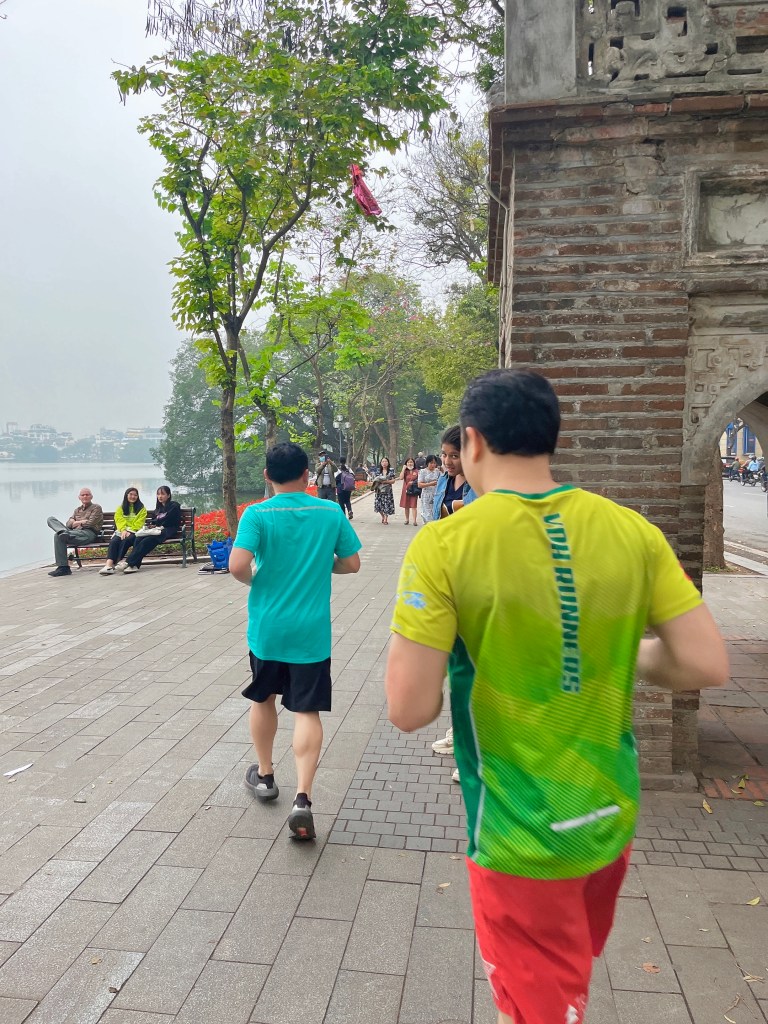
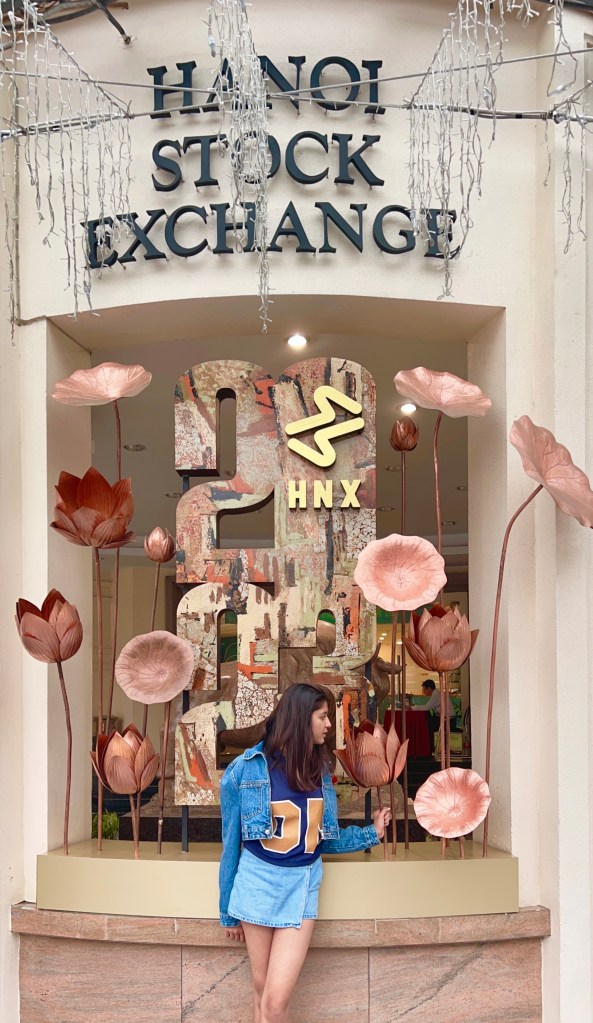
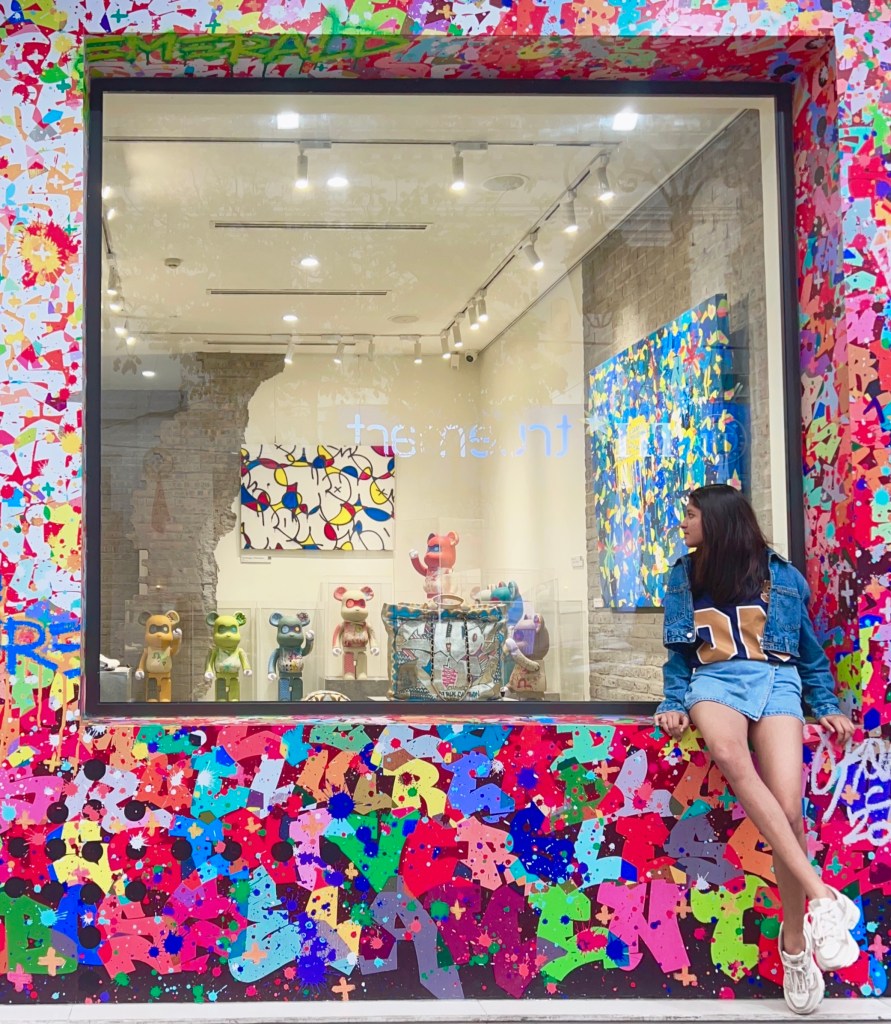
Things to do in the Old Quarter:
- Sample Street Food: Indulge in the diverse flavors of Vietnamese cuisine by trying local delicacies like pho (noodle soup), banh mi (Vietnamese sandwich), and freshly brewed Vietnamese coffee.
- Explore the Night Market: Experience the vibrant energy of the night market, which comes alive every weekend. Browse through stalls selling handicrafts, clothing, and souvenirs while enjoying the lively atmosphere.
- Shop in the 36 Streets: Wander through the narrow streets of the Old Quarter, each named after the goods traditionally sold there. Explore shops offering everything from silk and jewelry to spices and ceramics.
- Visit Ancient Temples: Discover the spiritual side of Hanoi by visiting ancient temples like Bach Ma Temple, Quan De Temple, and the 12th-century Temple of the Jade Mountain (Ngoc Son Temple).
- Wander through Ancient Alleyways: Get lost in the labyrinthine alleyways of the Old Quarter, where you’ll encounter hidden gems, local shops, and glimpses of everyday Hanoi life.
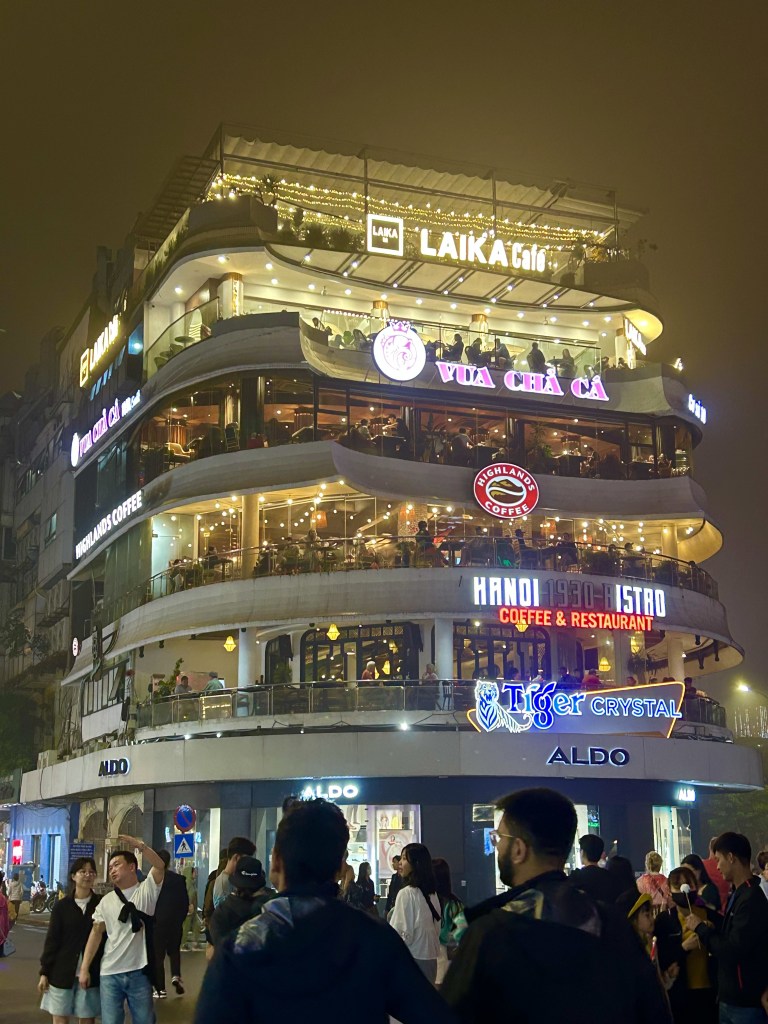
Ba Dinh District (also known as the French Quarter) : The French Quarter in Hanoi takes you back to a time when Vietnam was influenced by French colonial rule. This neighborhood showcases a blend of Vietnamese and French architectural styles, creating a unique and elegant atmosphere. With its wide boulevards, grand buildings, and European-inspired charm, the French Quarter offers a taste of cosmopolitan flair in the heart of Hanoi. Strolling through its streets, you’ll encounter impressive landmarks like the Hanoi Opera House and the Presidential Palace. The district is also home to upscale hotels, government offices, and embassies. Immerse yourself in the refined ambiance of the French Quarter and witness the fascinating fusion of cultures that has shaped Hanoi’s identity.
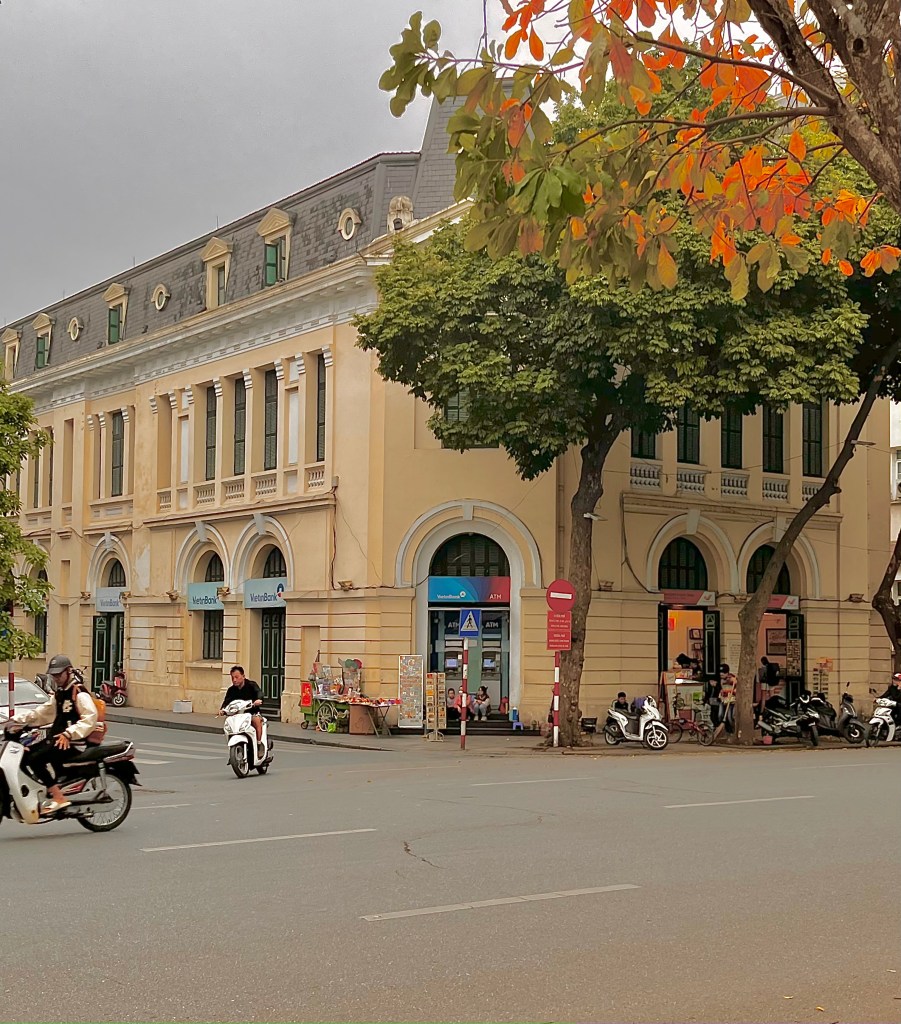
Temple of Literature : Located in the southern part of Hanoi, this temple was once a revered center of learning. While it attracts students more than religious practitioners nowadays, its beauty and historical significance are awe-inspiring.
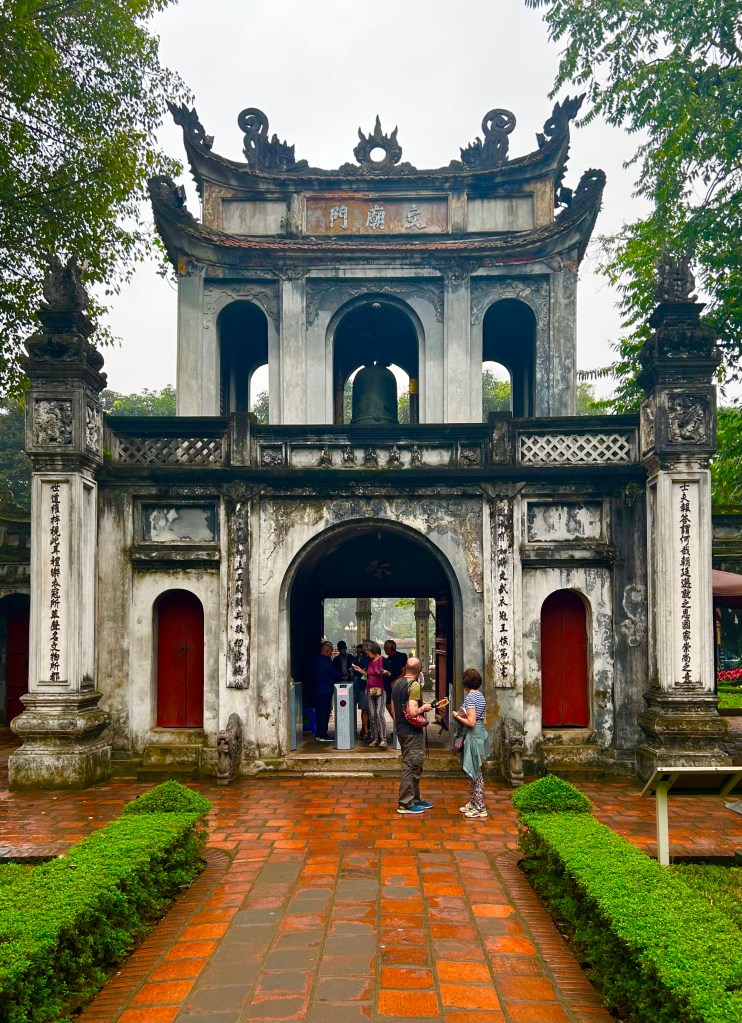
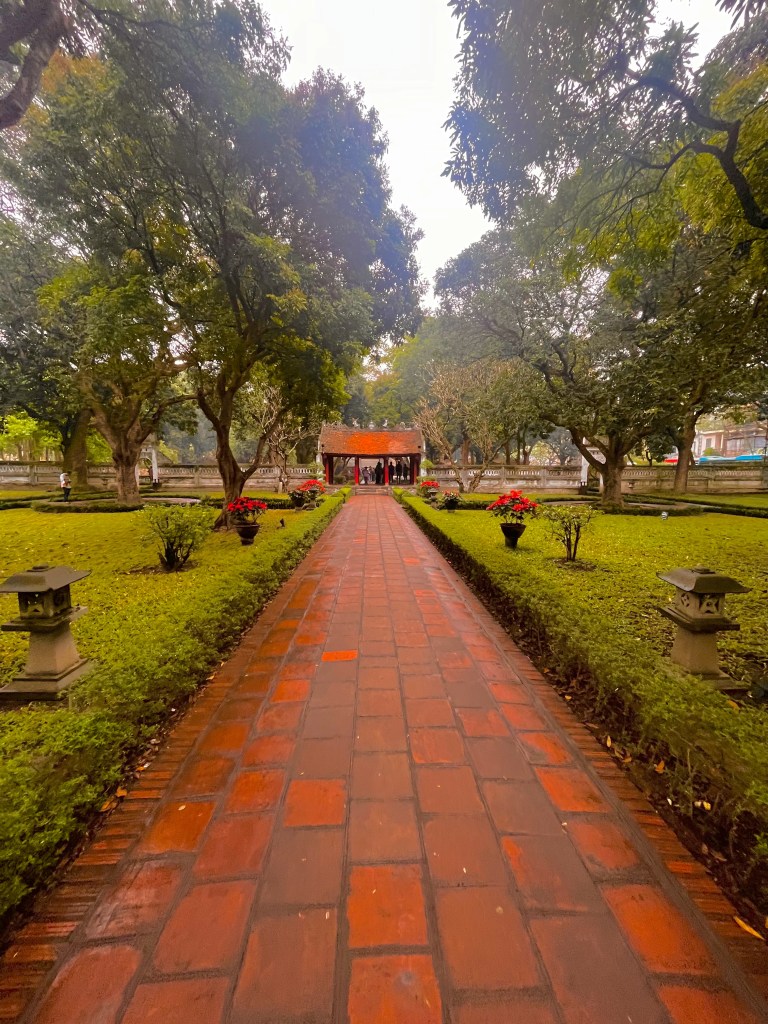
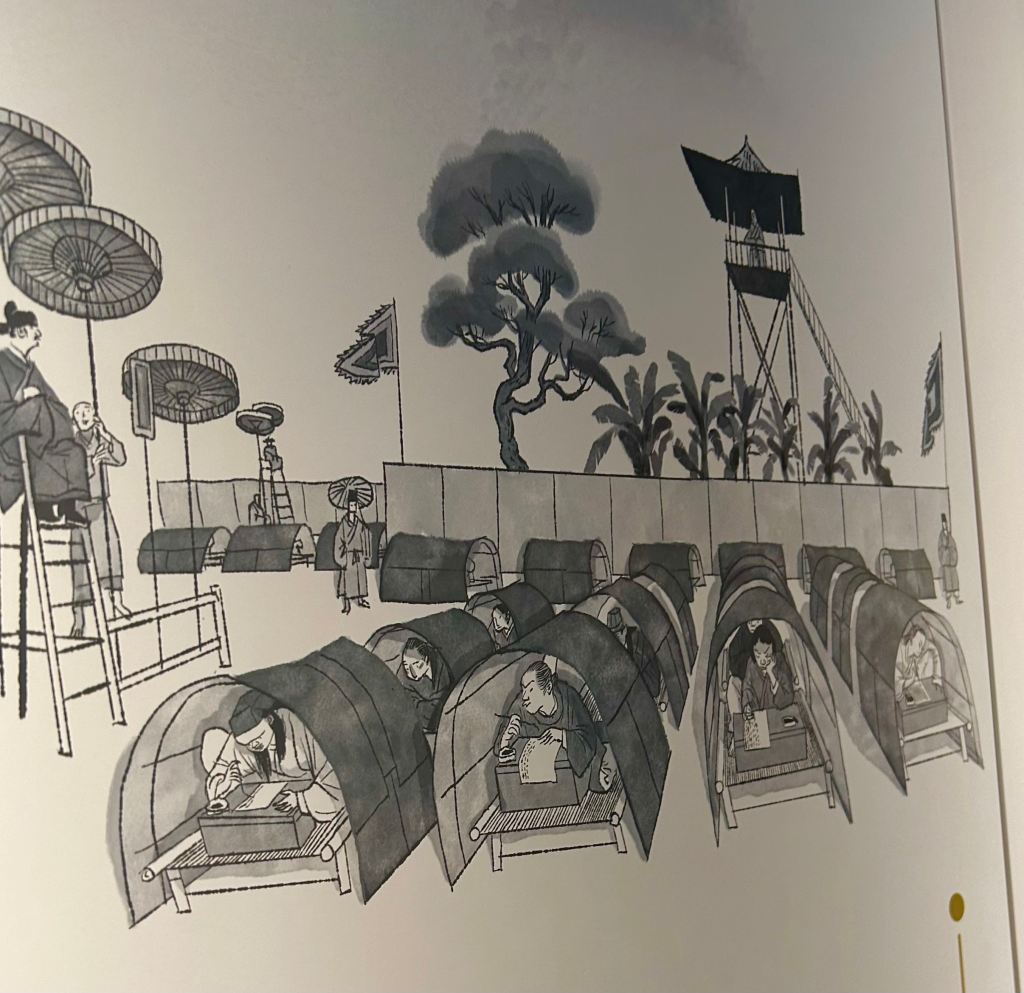
The temple comprises five courtyards, each with its own distinct features. In the first, you’ll find a neatly trimmed lush green meadow and a cobbled path that leads deeper into the complex. The second courtyard, houses a well. The third courtyard is where you’ll encounter the most important historical relics of the Temple of Literature. At the center of this courtyard lies a square pool called the “Well of Heavenly Brilliance.” Flanking the pool are two rows of stone slabs shaped like tortoises, representing longevity. These slabs are inscribed with the names of the successful candidates who passed the mandarin examinations. At the fourth courtyard, which hosts the House of Ceremonies. Inside, you’ll find a large statue of Confucius, surrounded by souvenir shops offering various items for visitors. The final courtyard houses Vietnam’s first national university, which was established in 1076.
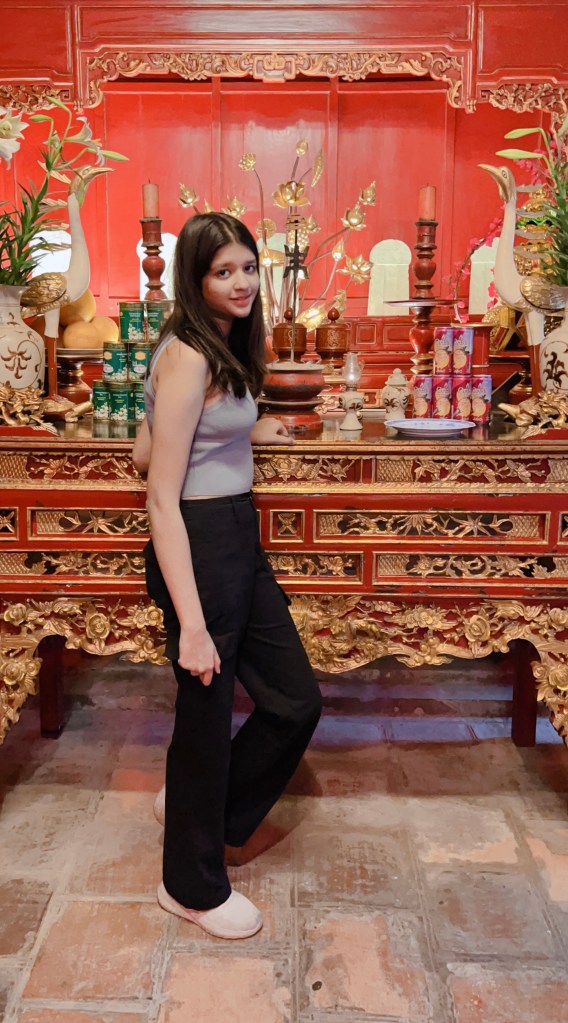
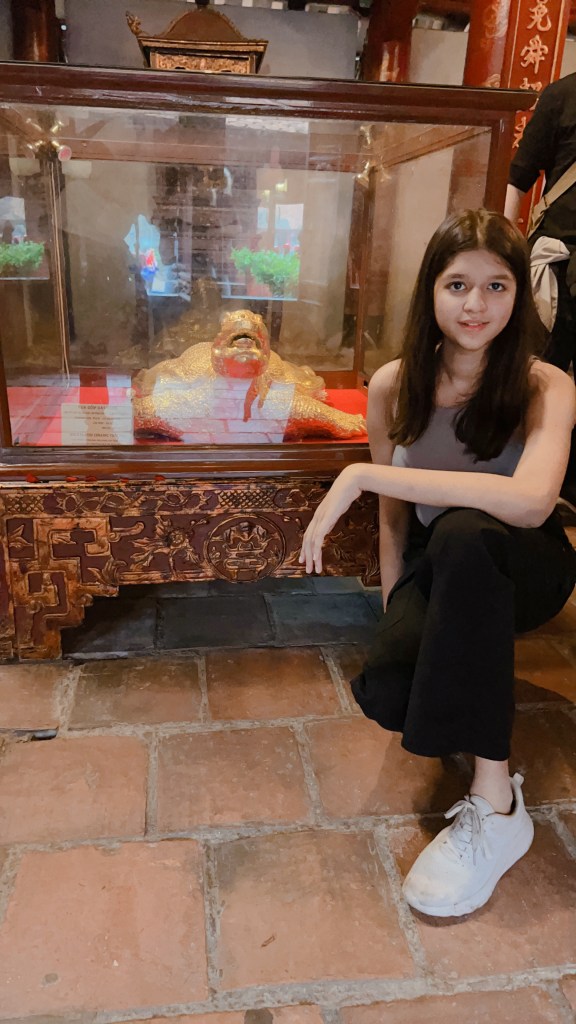
Within the premises of the third courtyard, you’ll find inscriptions that bear the names of 1304 successful candidates who passed the rigorous mandarin examinations. These examinations were conducted between 1442 and 1779 during the Le and Mac dynasties. Under the feudal social system the king relied on a set of imperial officicals to govern the country. This meant that not only the king had to be a man of virtue but he also had to select virtuos men from all quarters of his realm to assist him. This led to establishment of a rigorius examination system which did not allow criminals, musicians and singers and those in mourning to take it.
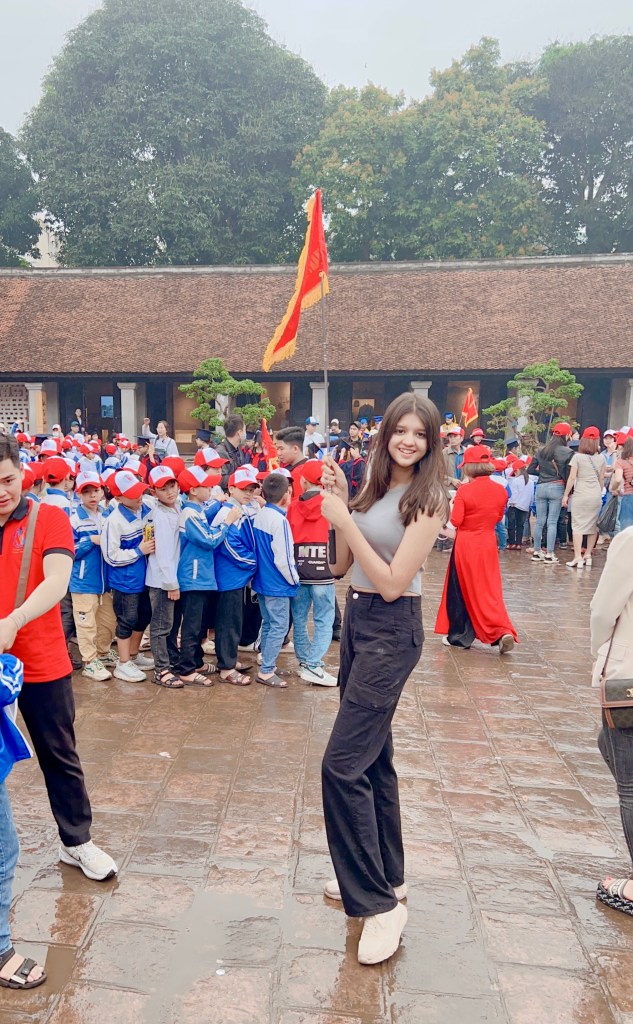
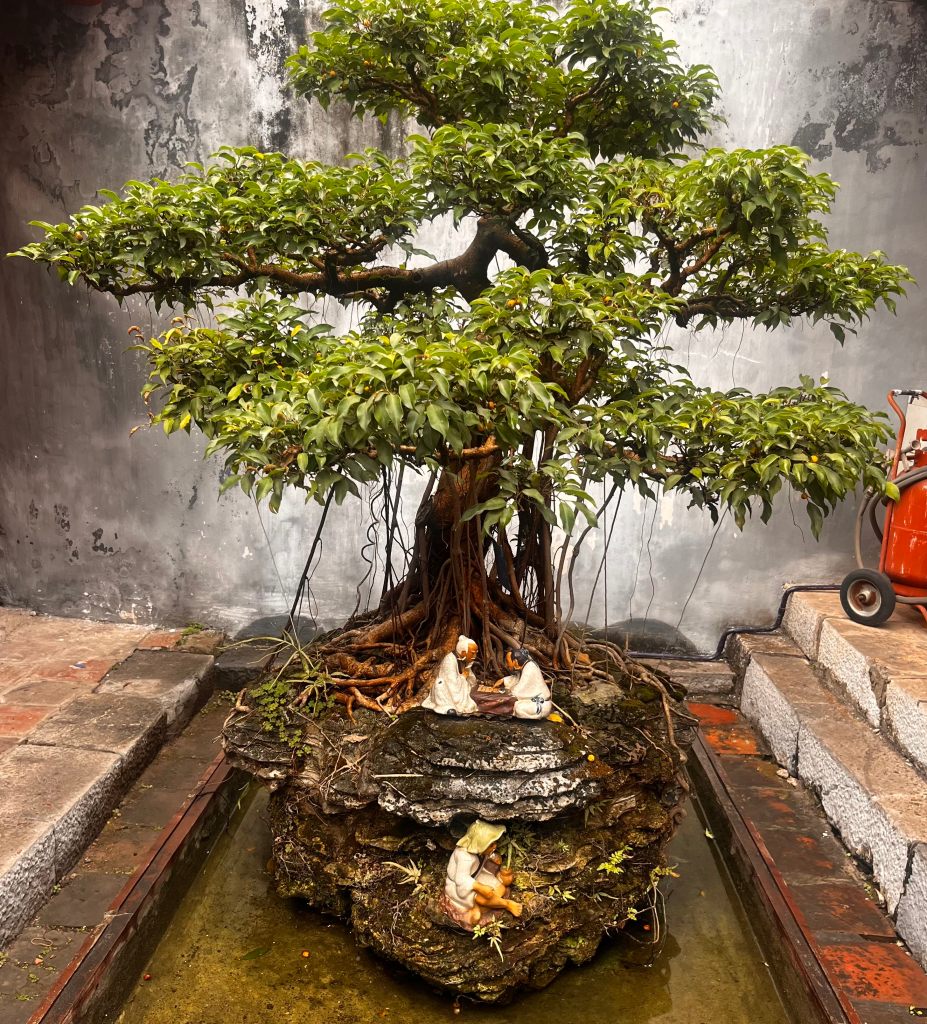
We learned that there were four examinations to be held to certify one’s doctorate. If a person passed three out of the examination, then he would be disqualified and would have to reappear for them. Disobedient and disrespectful pupils were punished severely. If a pupil committed a taboo, he could also be beheaded.
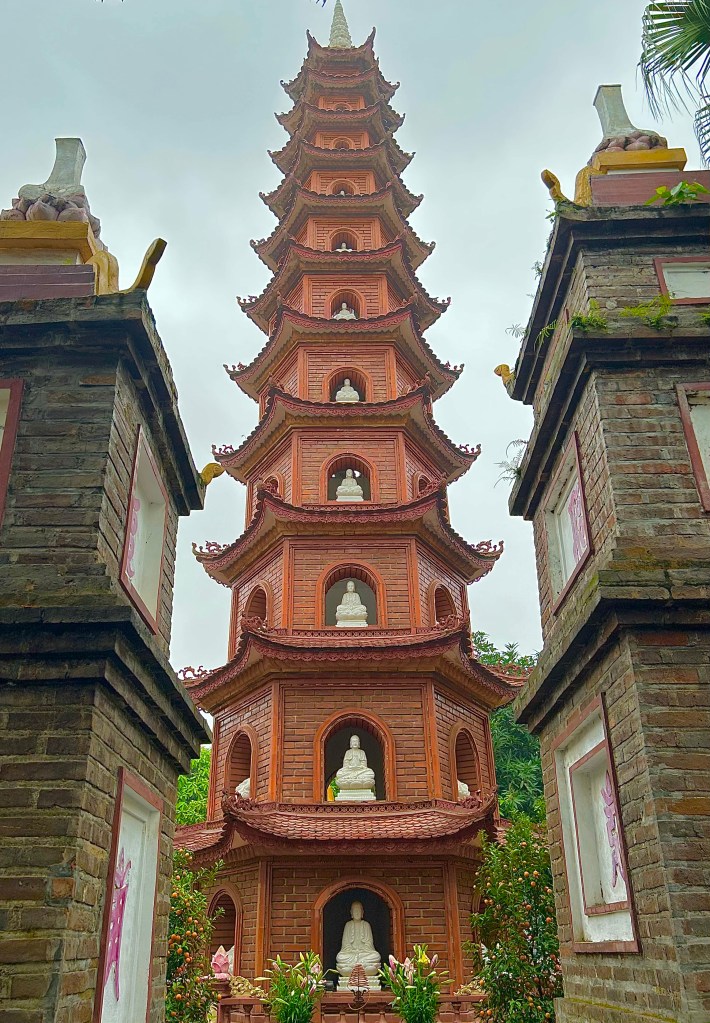
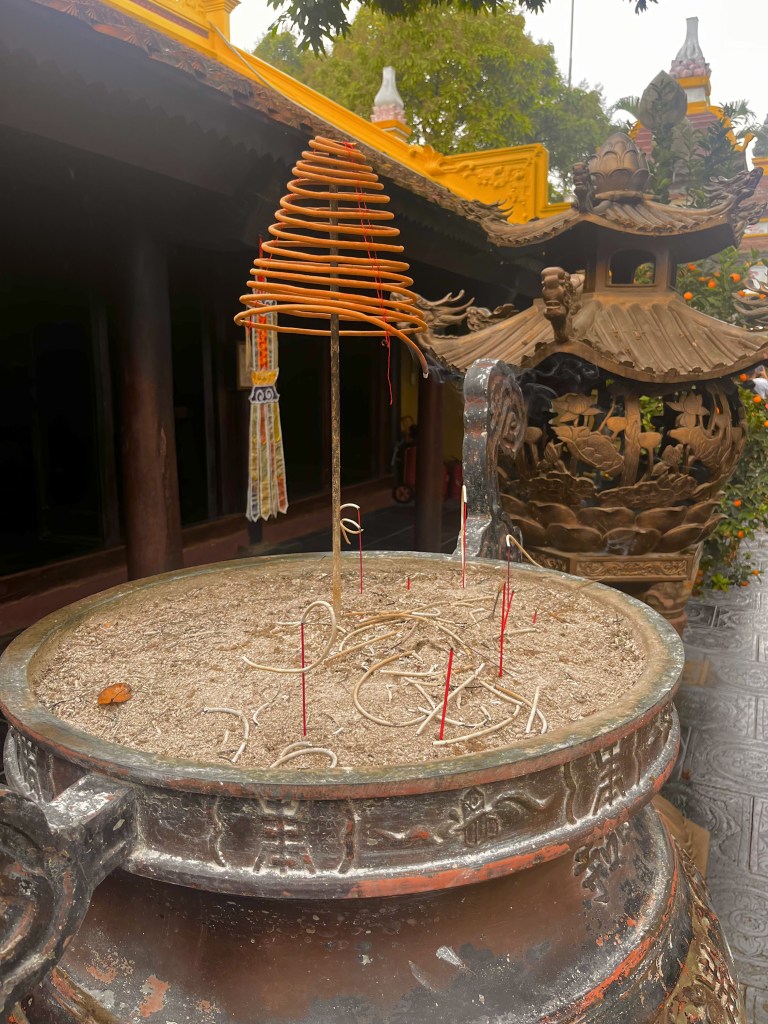
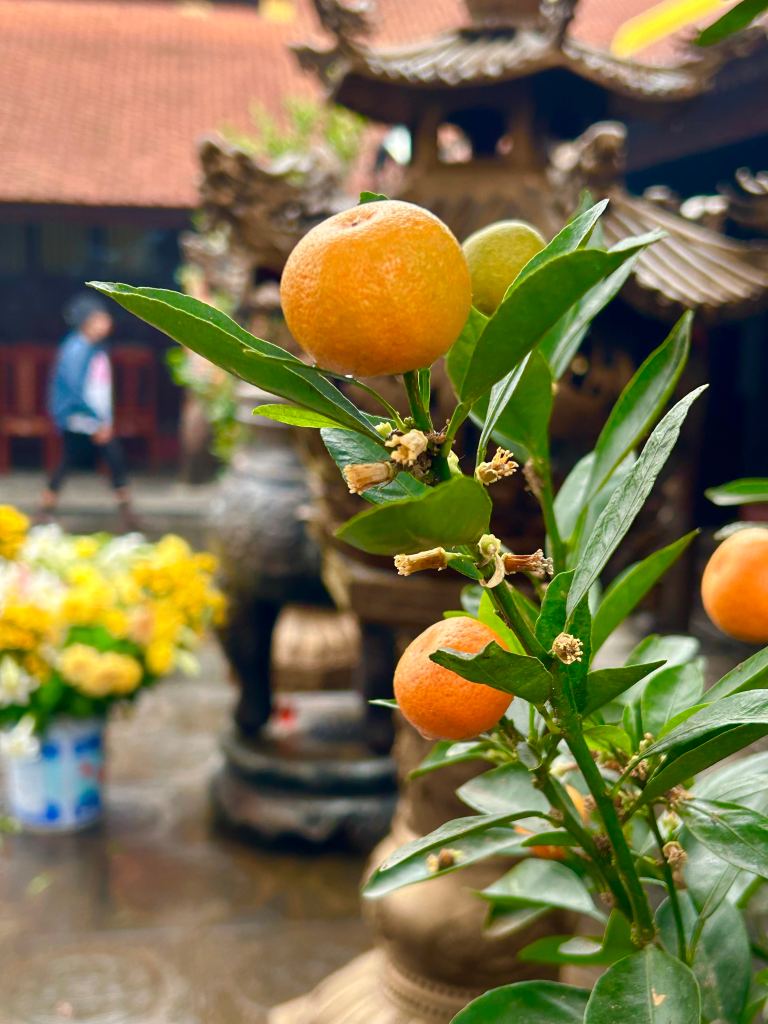
Tran Quoc Pagoda : Situated in Tay Ho, the northern part of Hanoi, this pagoda exemplifies the concept of karma in real life. Surrounded by upscale hotels and patisseries, it offers a serene ambiance and a sense of reverence. Tran Quoc Pagoda is the oldest pagoda in Hanoi, dating back to the 6th century. Visitors can learn about Buddhist traditions, observe traditional rituals, and explore the various statues, artifacts, and calligraphy within the pagoda complex. You will also spot orange trees in the premises which hold symbolic significance. In Vietnamese culture, orange trees are often associated with prosperity, good luck, and auspiciousness. They are believed to bring positive energy and blessings to the surroundings.
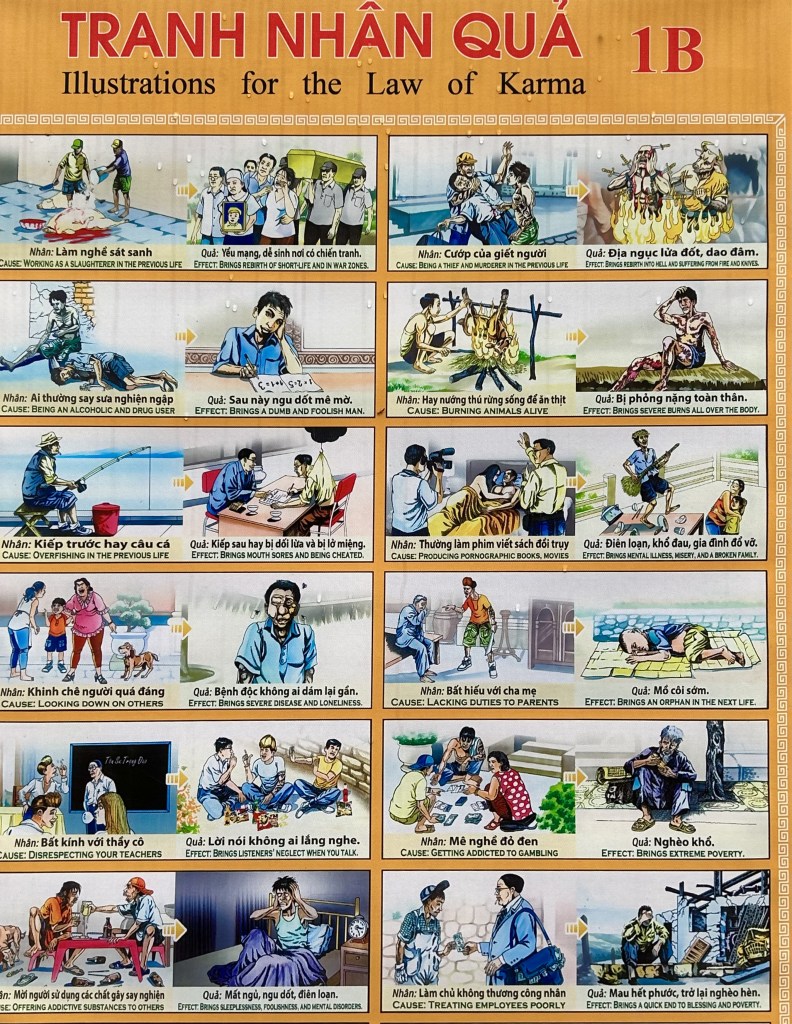
Ho Chi Minh Mausoleum : Let’s clarify something before we dive into this place. The Ho Chi Minh Mausoleum is located in Hanoi, not Ho Chi Minh City (formerly known as Saigon). When visiting, remember to dress modestly, covering your legs, as a sign of respect. Upon entering, you’ll encounter the final resting place of Ho Chi Minh, the first president of independent Vietnam and the leader of the Communist Party. The mausoleum provides invaluable insights into Vietnam’s history, and it stands proudly in the heart of Ba Dinh Square. The mausoleum opens at 6 am with a flag-raising ceremony and closes at 10:30 am on weekdays and 11 am on weekends (closed on Mondays and Fridays).
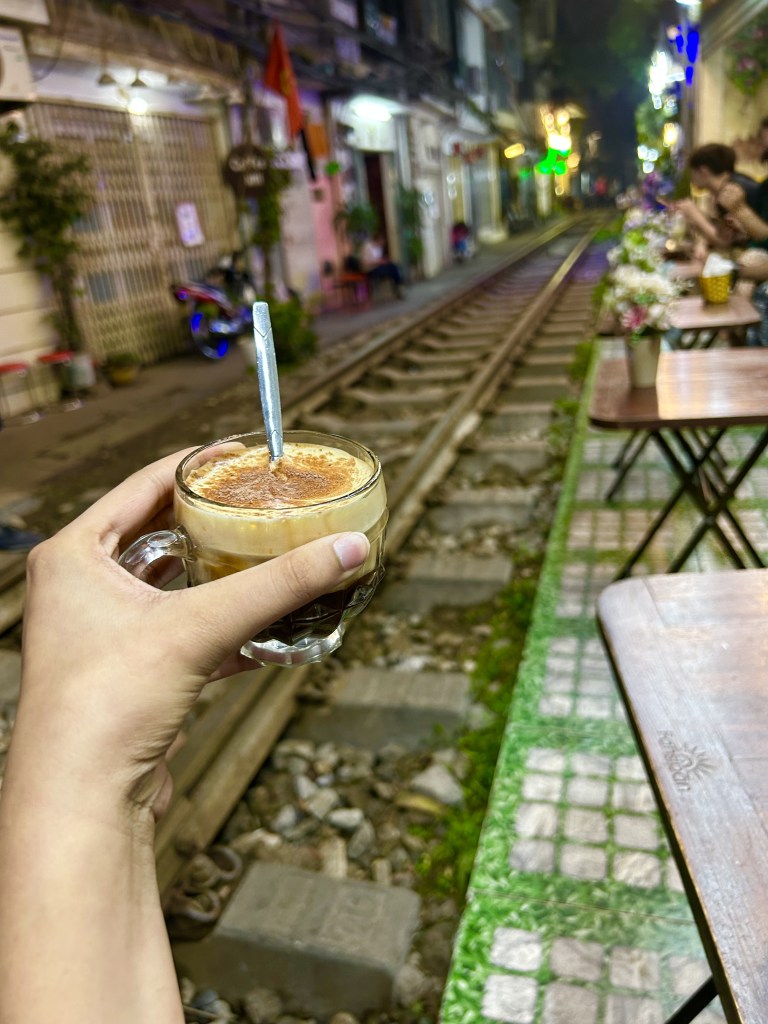
Train Street Line : This is one of Hanoi’s top tourist attractions. It’s a narrow lane flanked by cafés on either side, where trains pass through at specific times (usually 3 pm, 7 pm, and 7:30 pm, but it’s best to confirm with your hotel). While it may be slightly overhyped, the vibrant energy of the place is still a remarkable experience. Grab a cup of Vietnam’s famous egg coffee and marvel at the train passing by, combining two unique moments into one.
For shopping, Hanoi offers several options. TTP Plaza in the Old Quarter is an extravagant shopping plaza housing luxurious global brands like Dolce & Gabbana, Balenciaga, Tiffany & Co., Louis Vuitton and many more. If you’re looking for a more budget-friendly option, head to Lotte Centre near Tran Quoc Pagoda. Here, you’ll find a wide range of goods, from makeup products to sneakers and accessories. Don’t forget to explore the vibrant night markets, which take place every Friday, Saturday, and Sunday, offering an array of items at affordable prices.


The simplicity and open-mindedness of the Vietnamese people make this country a favorite among tourists. Its diverse landscapes and top-notch hospitality have firmly placed Vietnam on everyone’s bucket list. I thoroughly enjoyed my time there. Just remember to dress respectfully when visiting sacred places like the Temple of Literature, Ho Chi Minh Mausoleum, and Tran Quoc Pagoda (avoid wearing miniskirts or shorts; opt for clothing that covers your body).
To navigate the city conveniently, you can use taxi service apps like Grab, Vinasun, and Gojek. However, bear in mind that most Vietnamese people, especially cab drivers, may not speak fluent English. It’s a good idea to pre-install a translation app on your phone, allowing you to book cabs directly without relying on travel agents.
While my journey covered Halong Bay, Hanoi, Da Nang, Hoi An, and Ho Chi Minh City, there were several incredible destinations I regrettably missed, such as Sa Pa, Dalat, Nha Trang, Phu Quoc, and the awe-inspiring Son Doong Cave. Make sure to include them in your itinerary at all costs.
So, let Vietnam’s irresistible charm captivate you as you explore its vibrant cities, immerse yourself in its rich history, savor its mouthwatering cuisine, and bask in the warm hospitality of its people. Vietnam is waiting to leave an indelible mark on your travel memories.
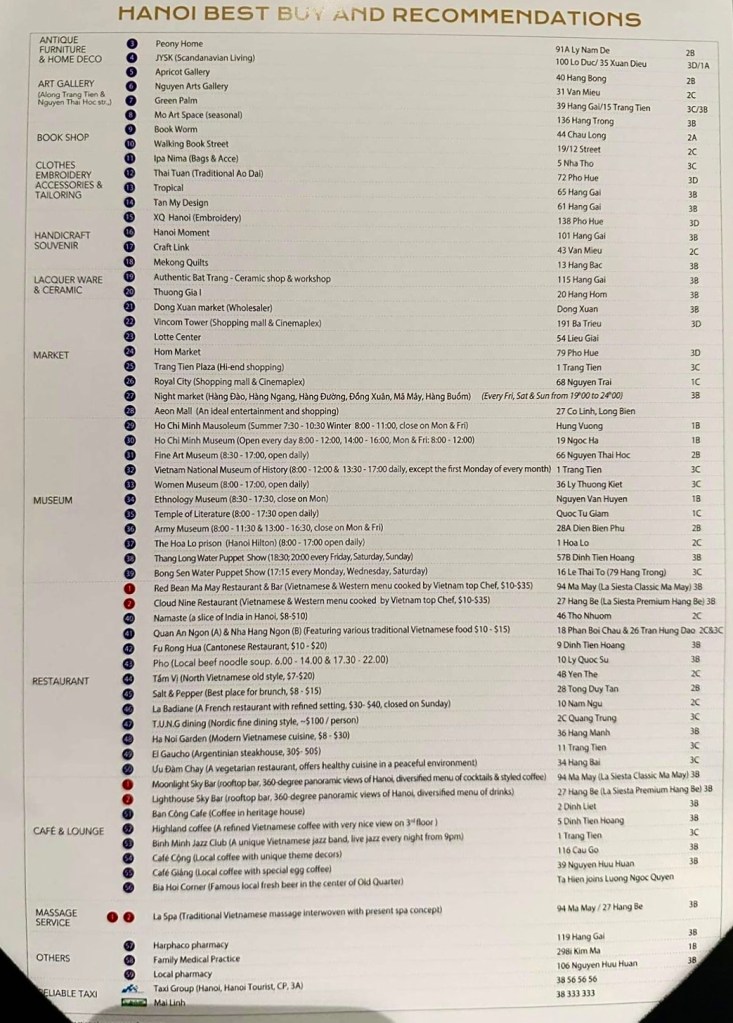
During my stay at La Siesta Hang Be hotel in Hanoi, they provided me with a helpful city map and a list of top things to do. The map and recommendations made exploring the city much easier. With the map in hand, I navigated through the bustling streets and discovered hidden gems that I wouldn’t have known about otherwise. I hope this map helps you as much as it did for me in making the most of your time in Hanoi.

Have you ever experienced the charm of Hanoi? Share your favourite memory or must-visit spot in the city with us.

 MOIMEHR
2 Comments Add yours