After the mentally challenging half-yearly exams in September, I was desperately in need of a break. Since childhood, there was one place in the whole wide world that I dreamt of visiting more than anything else – Paris, no matter how clichéd it might sound. The image of the Eiffel Tower had been etched in my mind countless times, and the desire to see it in person only grew stronger with each passing day. Despite my parents always seeking out offbeat destinations for our travels, they surprised me by planning the entire trip to Paris. I couldn’t have asked for a better gift.
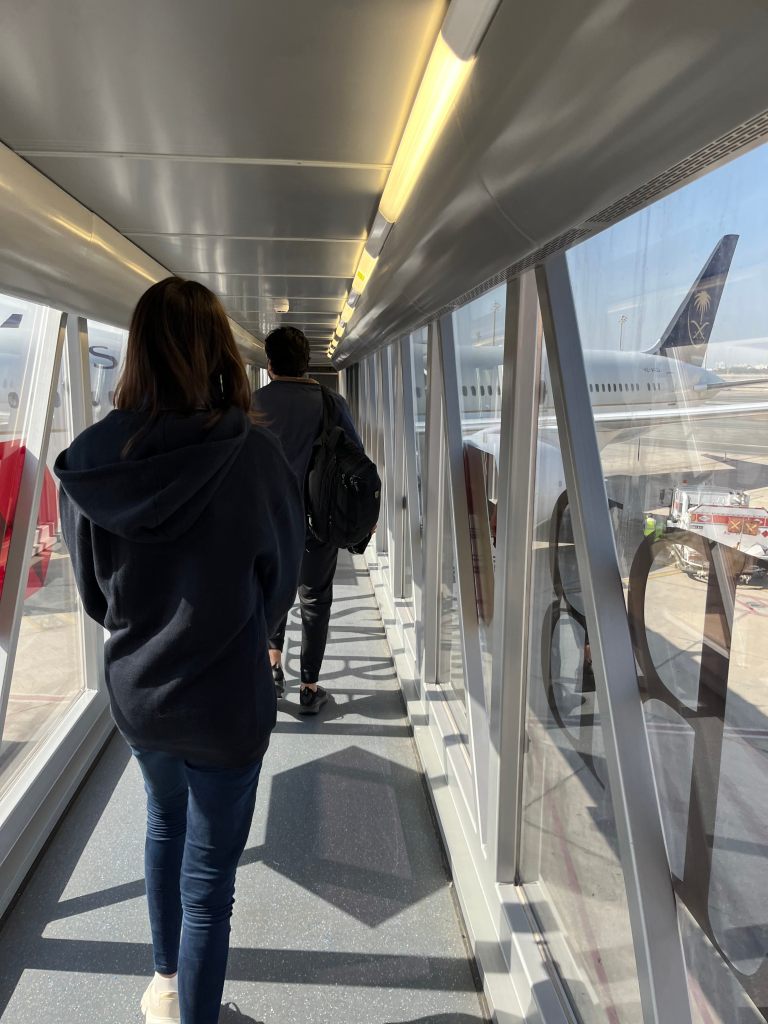
Our journey to Paris commenced with a flight via Jeddah, where we were accompanied by several pilgrims on their way to Mecca. The Saudia flight was smooth, and as we landed at Charles de Gaulle Airport, I could hardly contain my excitement. We were visiting Paris in the fall hence the cityscape was painted with the warm hues of October’s blooming flowers, while dry leaves carpeted the streets, creating a picturesque scene.
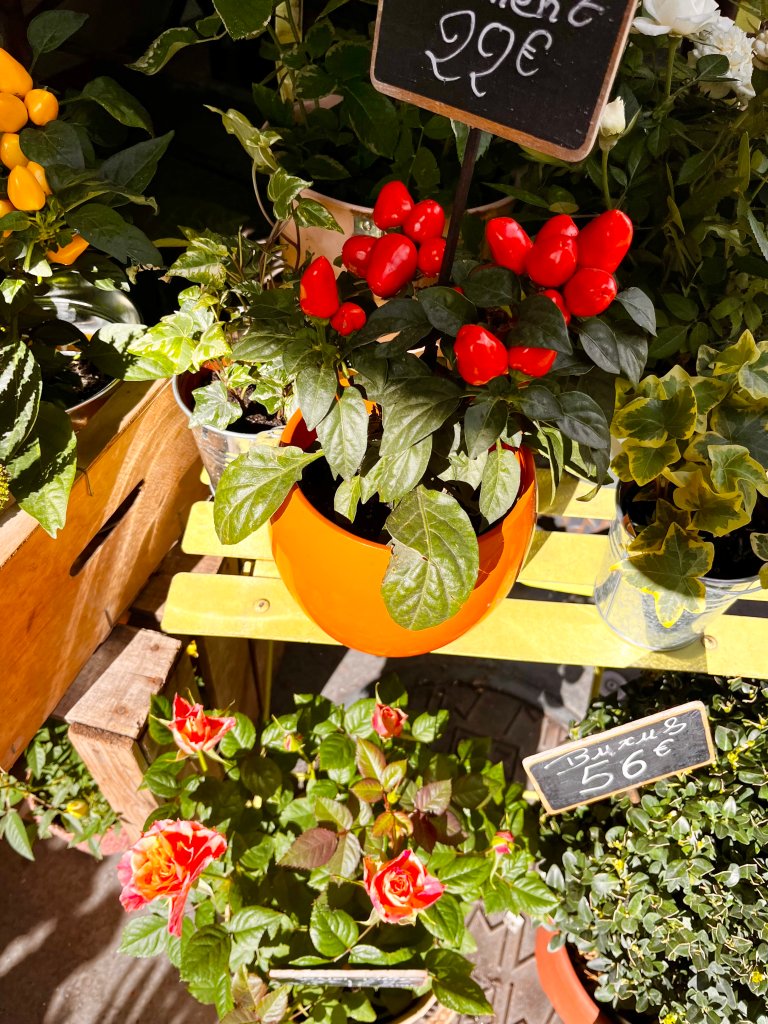
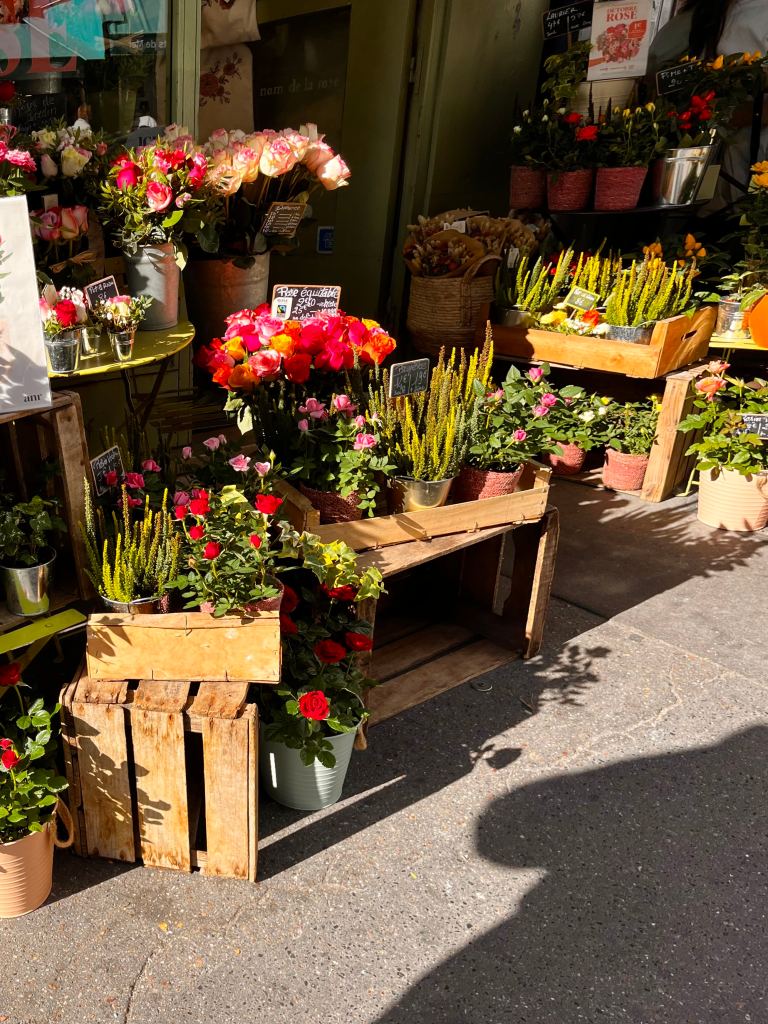
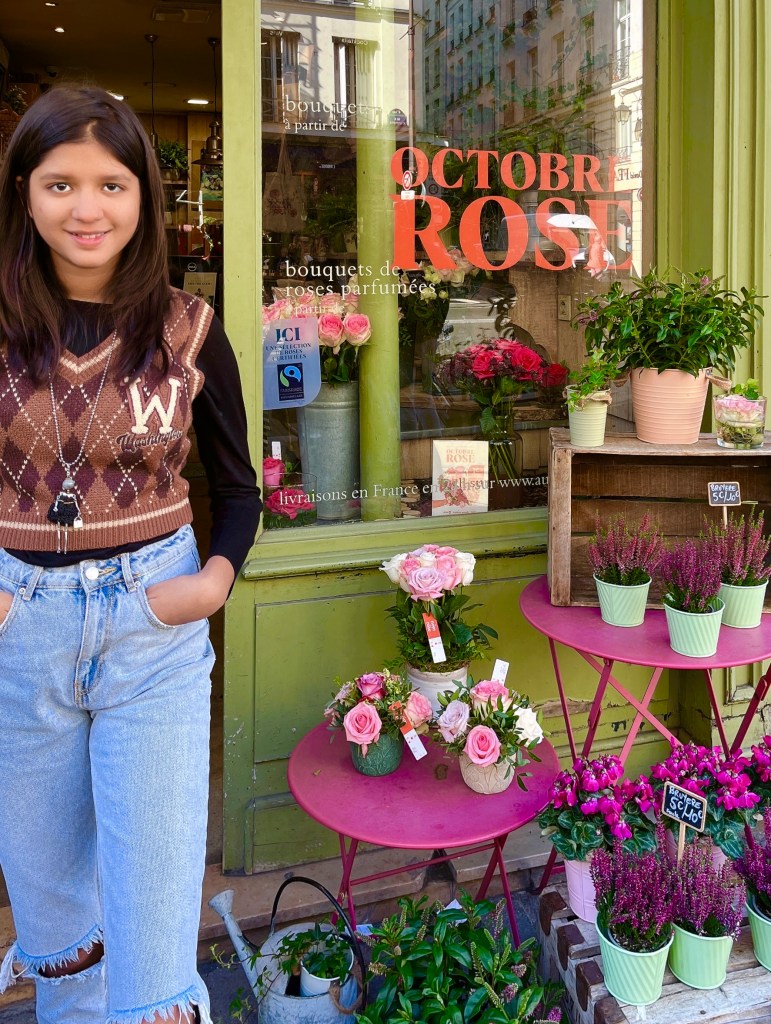
Paris is always a good idea.
Audrey Hepburn
Upon arrival, we took a cab to our hotel, located in the 12th arrondissement of the city. Paris is divided into arrondissements, each with its unique charm and offerings. It’s impossible to pinpoint the best place to stay in Paris since each arrondissement has something special to offer. Nevertheless, we decided to experience two different areas, so we chose hotels in the 10th (Novotel) and the 12th (Vacances Blues) arrondissements, both of which were conveniently situated near the main train stations of the city – Gare de Lyon and Gare du Nord respectively.
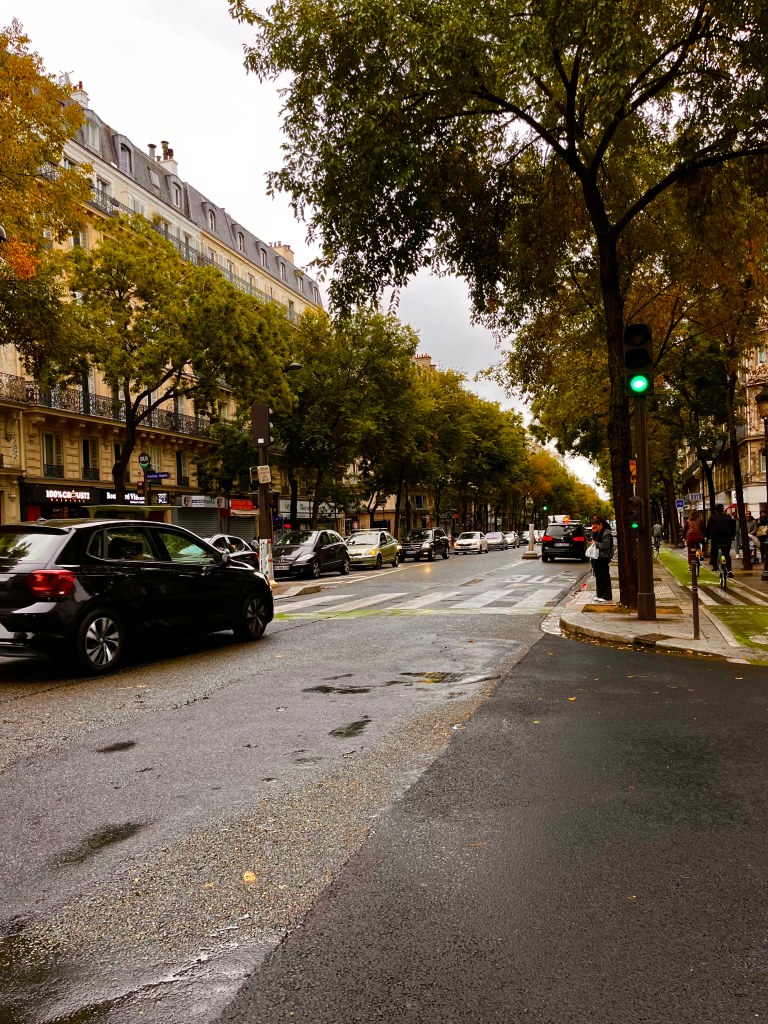
We always embrace the opportunity to explore different neighbourhoods within a city during our trips, allowing us to fully immerse ourselves in its unique essence. And staying in the 10th and 12th arrondissements allowed us to get a taste of two distinct facets of Paris. These stations provided easy access to several urban transport lines, making it convenient for us to explore the city. Paris has an intricate web of an extensive underground metro system, allowing tourists to whisk from one corner to another within minutes.
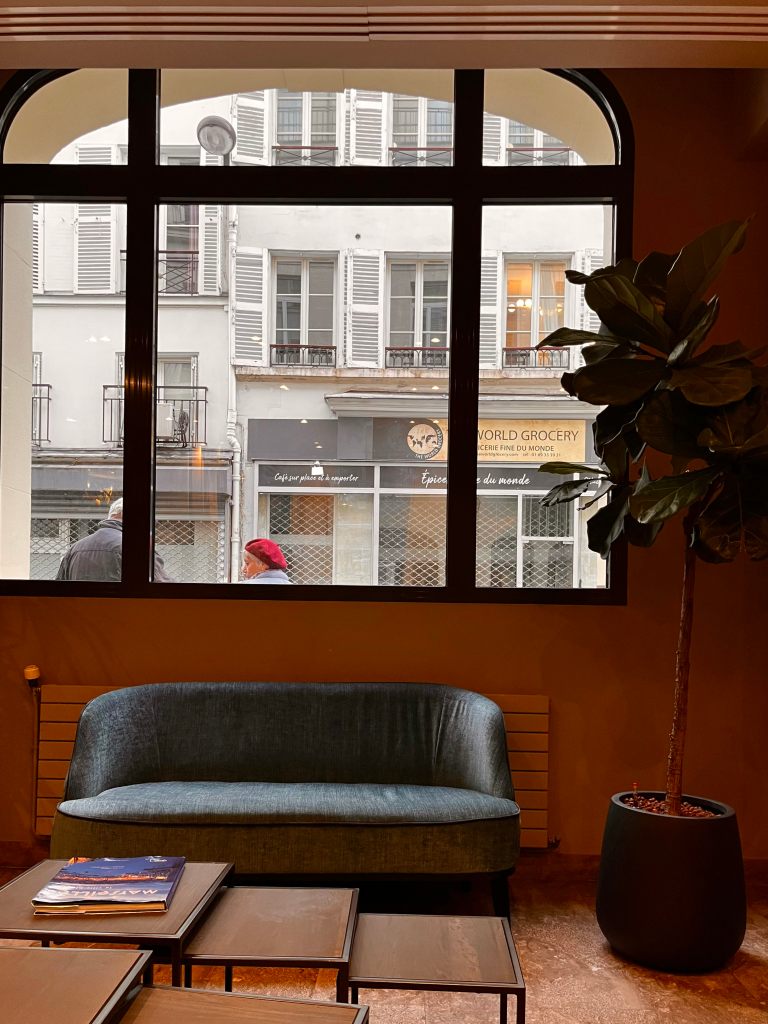
I was thrilled to finally be in the city of my dreams. The ‘city of love,’ graces the banks of the picturesque Seine River. As mesmerizing as the iconic Eiffel Tower is, Paris has so much more to offer its guests.
PLACES TO SEE IN PARIS
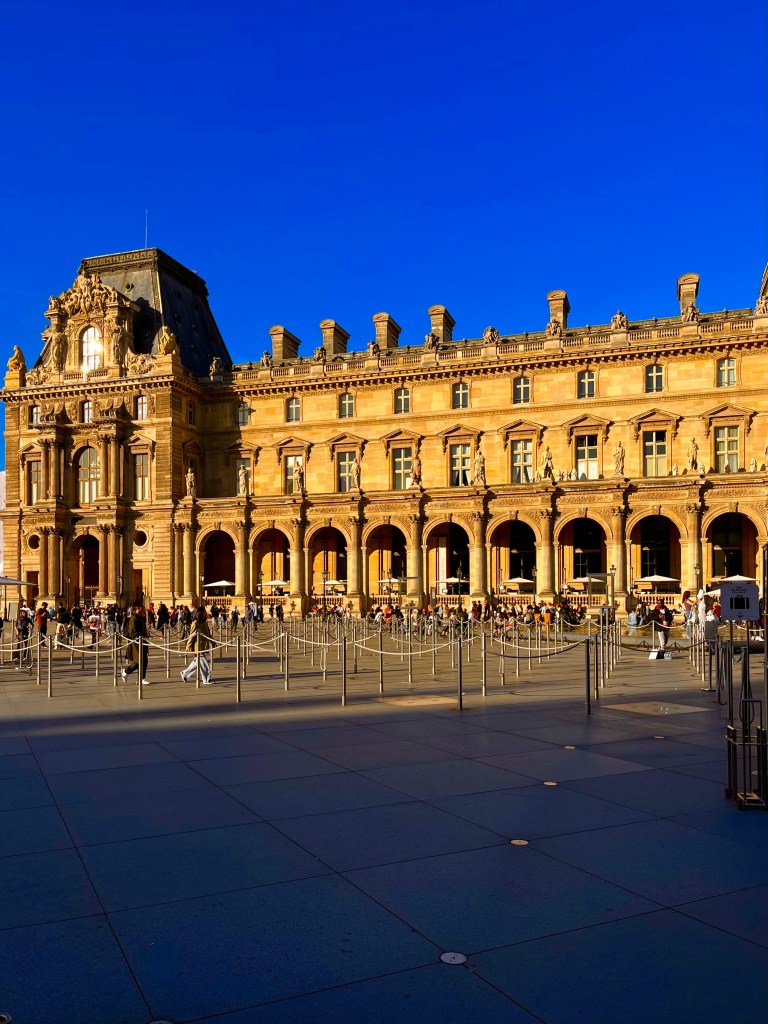
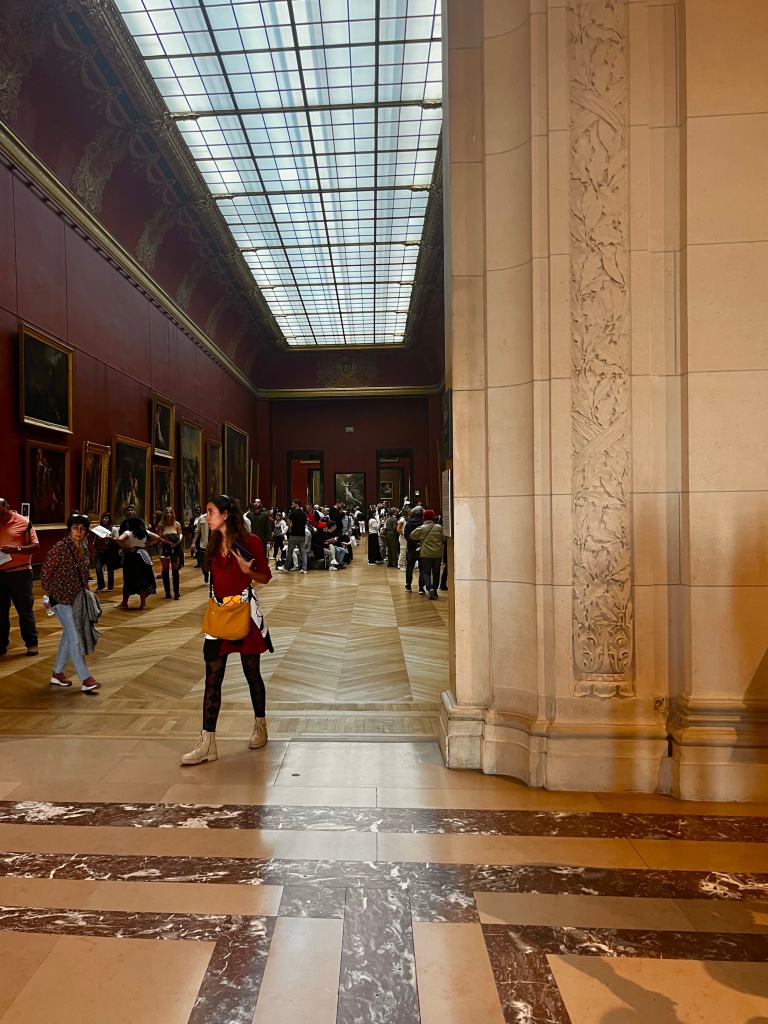
Louvre Museum : Once a fortress erected by King Francis I, the Louvre has been transformed into an enchanting art gallery that invites exploration and wonder. Unquestionably a treasure trove of art and history, it stands as the largest museum on Earth. It is divided into three wings : Denon, Richelieu and Sully .
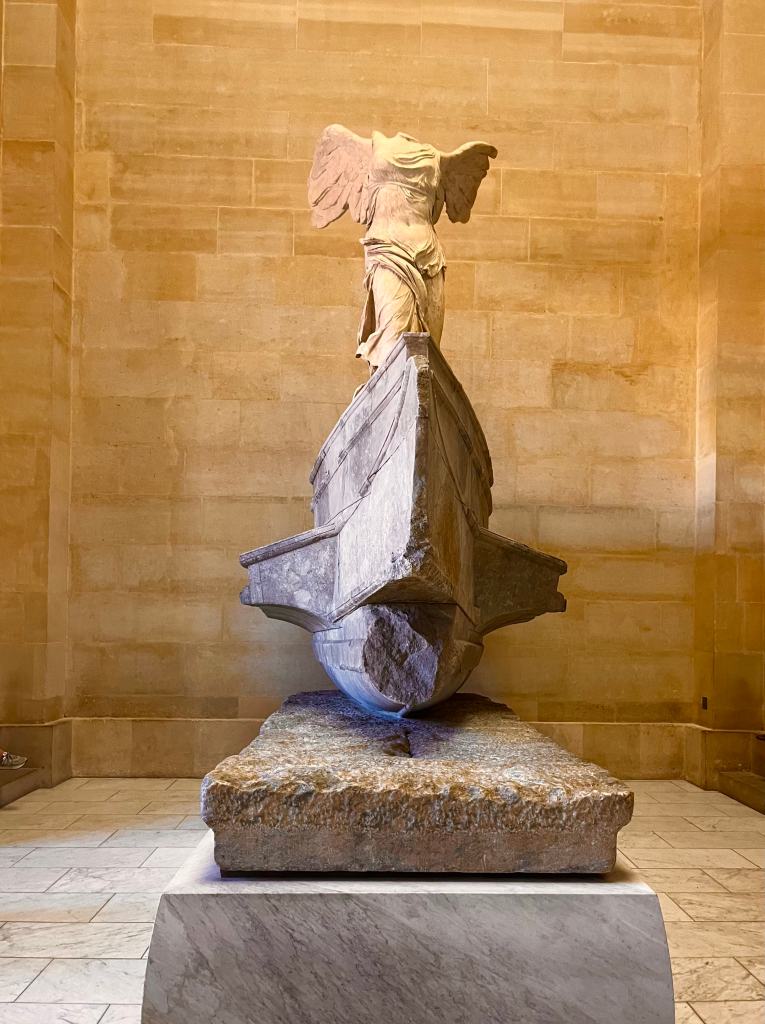
The Denon Wing is home to many of the best-known works of art such as the Mona Lisa and the Winged Victory of Samothrace.
The Richelieu Wing, with its wonderful sculpture terraces and the apartments of Napoléon III.
The Sully Wing, perhaps best known for its antiquities and its focus on the history of the Louvre.
Embracing a harmonious blend of architecture and artistic masterpieces, it houses ancient paintings dating back centuries. Visitors can marvel at the world-famous Mona Lisa, a captivating creation by Leonardo Vinci, alongside awe-inspiring sculptures like the Winged Victory and the Great Sphinx of Tanis.
For an enriching visit, I recommend carrying a bottle of water, as refreshments within the museum premises can be a tad expensive. However, the experience of strolling through its hallowed halls, encountering art that has shaped history, is nothing short of awe-inspiring. When in Paris, an excursion to the Louvre Museum is an absolute must, granting you an opportunity to bask in the brilliance of human creativity.
Entrance Fee : For adults, the entrance fee is 17 Euros, while children under 18 years enjoy free admission. Additionally, entrance is complimentary for all on the first Saturday of each month between 6 pm and 9.45 pm, as well as on Bastille Day (14th July).
Nearest Metro Station : Palais Royal – Musée du Louvre

Cathédrale Notre-Dame de Paris : A medieval Catholic cathedral situated in the 4th arrondissement of Paris, is a remarkable architectural masterpiece. During our visit, we were met with the unfortunate news that the cathedral was closed to the public. Restoration efforts were in full swing as the cathedral underwent repairs following the devastating fire that engulfed its upper part on 15th April 2019.
Like all the others we stood in the Notre Dame square marvelling in awe its beauty and grandeur and took pictures. Despite not being able to explore its interior, the iconic beauty of Notre-Dame still left a profound impression on us from the outside. We left with a promise to return someday and witness the restored magnificence in all its glory.
Entrance Fee : There is no entrance fee to visit Cathédrale Notre-Dame de Paris. Access to the cathedral is free for all visitors.
Nearest Metro Station : The nearest metro station to Notre-Dame is “Cité.” It is located on Line 4 of the Paris Metro system. However, please note that due to the ongoing restoration work, the cathedral may be partially or fully closed to visitors at certain times. It is advisable to check the latest updates before planning your visit. Another convenient option is the “Saint-Michel – Notre-Dame” station, which is also within walking distance from the cathedral and is served by Line 4 and Line RER B and C.
Eiffel Tower : Named after its visionary engineer, Gustave Eiffel, whose company designed and constructed the tower, the Eiffel Tower is a magnificent wrought-iron lattice structure which graces the Champ de Mars in Paris, France. For those seeking to ascend to its heights, the stairway + lift tickets offer a unique experience. These tickets allow you to climb the Tower on foot up to the 2nd floor, conquering just over 700 steps, before taking the lift to the top for a truly breathtaking view.
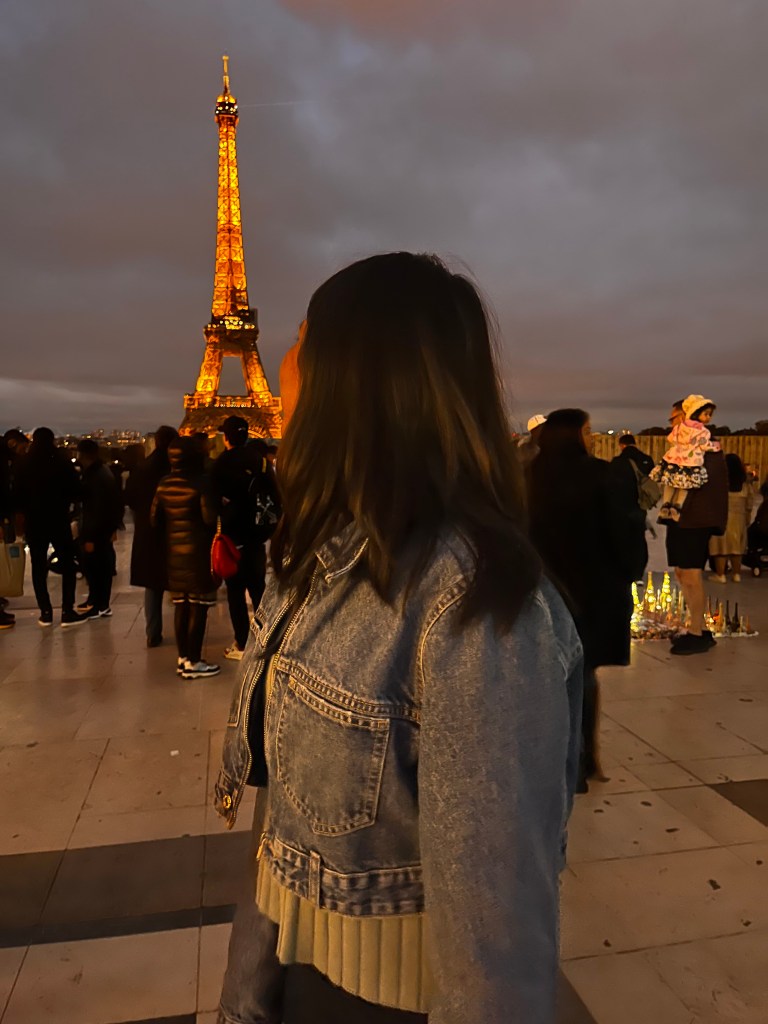
Feeling overwhelmed by the plethora of ticket choices and the seemingly never-ending queue, we decided to take a different, more peaceful approach to behold the Eiffel Tower’s beauty. We witnessed the Eiffel Tower’s twinkling spectacle from the marble viewing platform at Palais de Chaillot, directly across the Seine River. Every evening from dusk until 11:45 pm, the Eiffel Tower lights up and sparkles, thanks to its twilight sensors, which switch on the lights 10 minutes after dusk when the city darkens. One of the most stunning and unexpected views of the Eiffel Tower can also be experienced from the metro as it crosses the Seine River between the Passy and Bir-Hakeim metro stops.
For a different kind of experience the Tower also boasts two distinguished restaurants to savour delectable cuisine with a view to match. Jules Verne restaurant, situated on the second level, and Madame Brasserie, found on the first level, offer a memorable dining experience amidst the iconic setting. Additionally, visitors can find snack bars scattered across the ground, first, and second levels and one on the 2nd floor – the tempting Pierre Hermé macaron bar. For those seeking to indulge in a celebratory moment, a Champagne Bar awaits on the Eiffel Tower’s top level, allowing guests to raise a toast amidst the clouds.
Entrance Fee : The entrance fee for the Eiffel Tower varies depending on the level you wish to visit. For tickets check the official Eiffel Tower website (http://www.toureiffel.fr/en).
Nearest Metro Station : The nearest metro station to the Eiffel Tower is “Champ de Mars – Tour Eiffel.” It is located on Line 6 of the Paris Metro system. From the station, it’s just a short walk to the Eiffel Tower, making it a convenient and straightforward route to reach this iconic landmark.
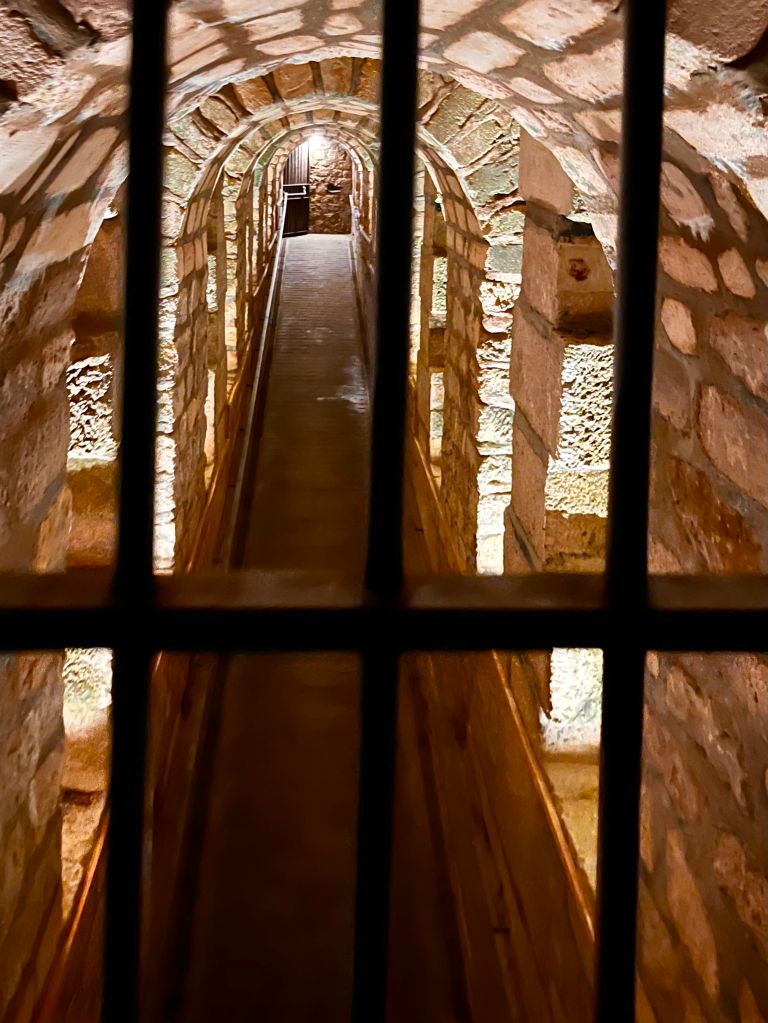
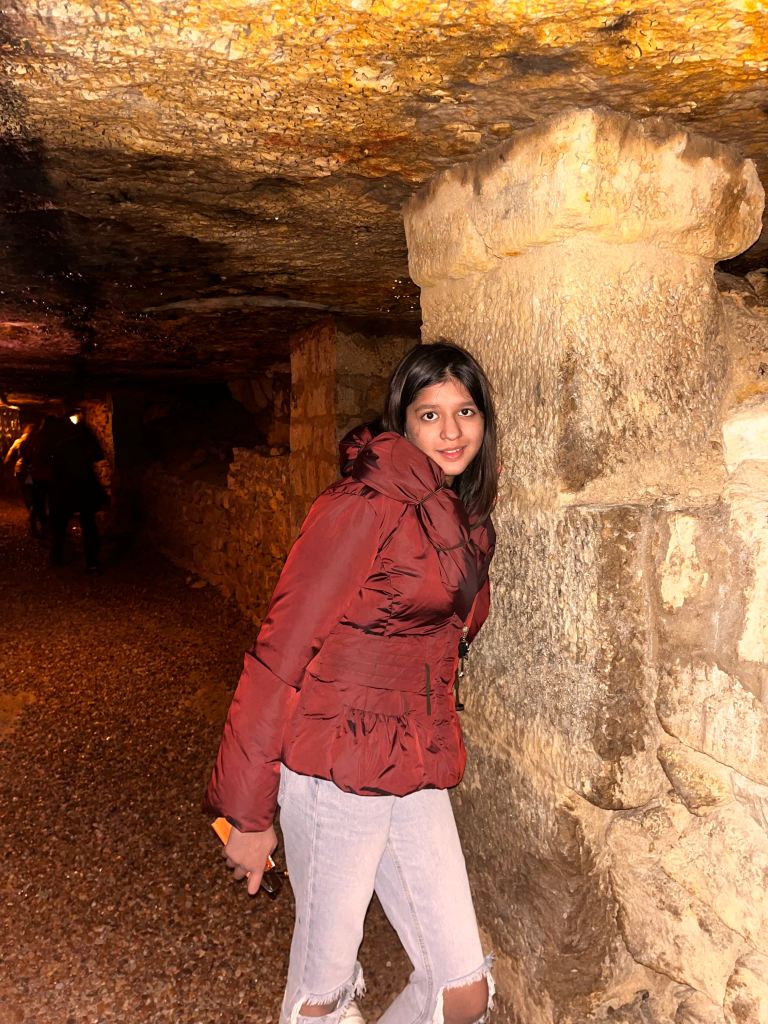
Catacombs : The Catacombs, also known as the ossuary, in Paris granted us entry to its galleries through a staircase consisting of 130 steps. This staircase led us 20 meters beneath the surface, often referred to as the ‘Negative of Paris’. Originating in the late 18th century, these catacombs were established within disused underground quarries that traced their origins back to the 15th century.
Initially, the first remains that found their way here were transported from the Saints-Innocent Cemetery, which was the largest cemetery in Paris during that era and situated in the Les Halles district. Over time, the network of former limestone quarries evolved into a repository for bones from various cemeteries in central Paris. As the 19th century dawned, the catacombs were eventually unveiled to the public, sparking a surge of inquisitiveness that drew an increasing number of visitors.
Entrance Fee : For tickets and entrance fee check their official website (http://www.catacombes.paris.fr/en).
Nearest Metro Station : Denfert – Rochereau (lines 4 and 6, RER line B) – Bus : 38, 68
Opening Hours : Daily 10 am – 8.30 pm, except Mondays and bank holidays. Admission desks closes at 7.30. We were the last ones to enter, be there before 7.30.
Visiting Conditions : Distance covered – 1.5km, Length of the visit – 45 minutes, Temperature – 14 degree C. Over 100 steps on both the way down and up. The tour is not recommended for individuals suffering from heart or respiratory conditions, or sensitive individuals and young children. Since I was 14, I could visit accompanied by my parents.
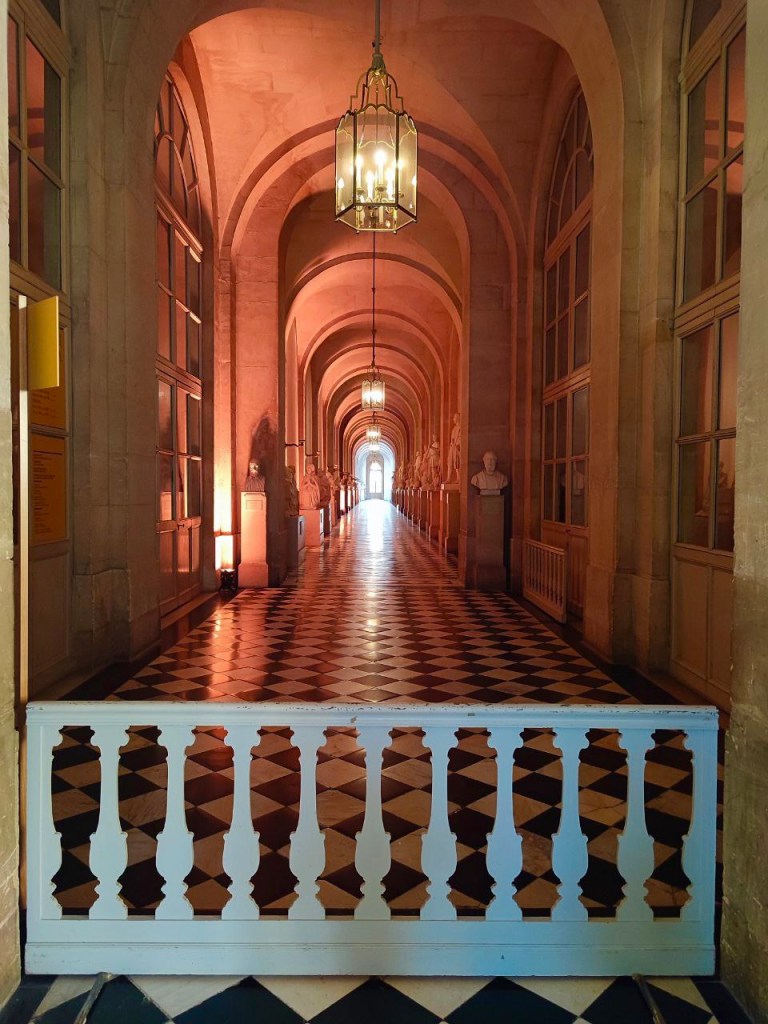
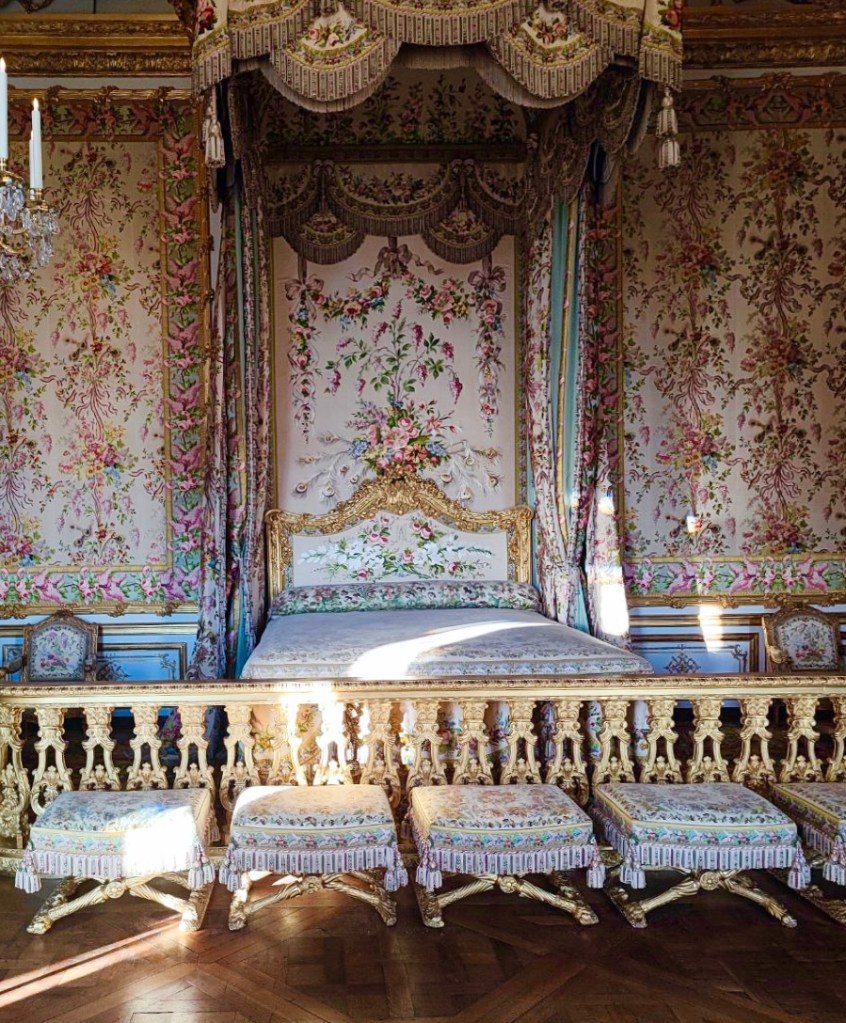
Versailles : Versailles is a captivating town and serves as the capital of Yvelines département. It’s nestled in the Île-de-France région of north-central France and is positioned about 15 miles to the southwest of Paris. Recognized as the former royal residence of King Louis, Versailles stands as a breathtaking historical treasure.
Our journey to Versailles was seamless as we boarded the metro to reach Versailles Château Rive Gauche station, followed by a leisurely walk to the palace. Despite arriving in the evening, the smaller crowd provided us with the luxury to explore the palace comfortably. Although our time was limited, we optimized our visit by touring the renowned bedrooms of King Louis and Marie Antoinette. Inside the palace, we were captivated by its lavish architecture, the grandeur of the sizable paintings, and the intricate ceiling designs – all of which contributed to Versailles’ magnificence. One highlight that stood out was the Hall of Mirrors (Galerie des Glaces). Adorned with 17 mirrored arches, it reflects the elegance of the formal garden outside through 17 windows. Its historical significance runs deep, as it hosted pivotal events like the signing of the Treaty of Versailles, marking the end of World War I.
Entrance Fee : The entrance fee for Versailles varies depending on what you want to see. For tickets check the official website (https://en.chateauversailles.fr).
Nearest Metro Station : The Versailles Château Rive Gauche station is the closest to the Palace (a 10-minute walk). Accessible from the centre of Paris (Champs de Mars, Invalides, Musée d’Orsay, etc.), it is part of Line C of the RER regional train system.
Opening Hours : Daily 9 AM to 6:30 PM during high season and 9 AM to 5:30 PM during low season, except Mondays and bank holidays. Although, sometimes they change the timings, confirming through the website is best.
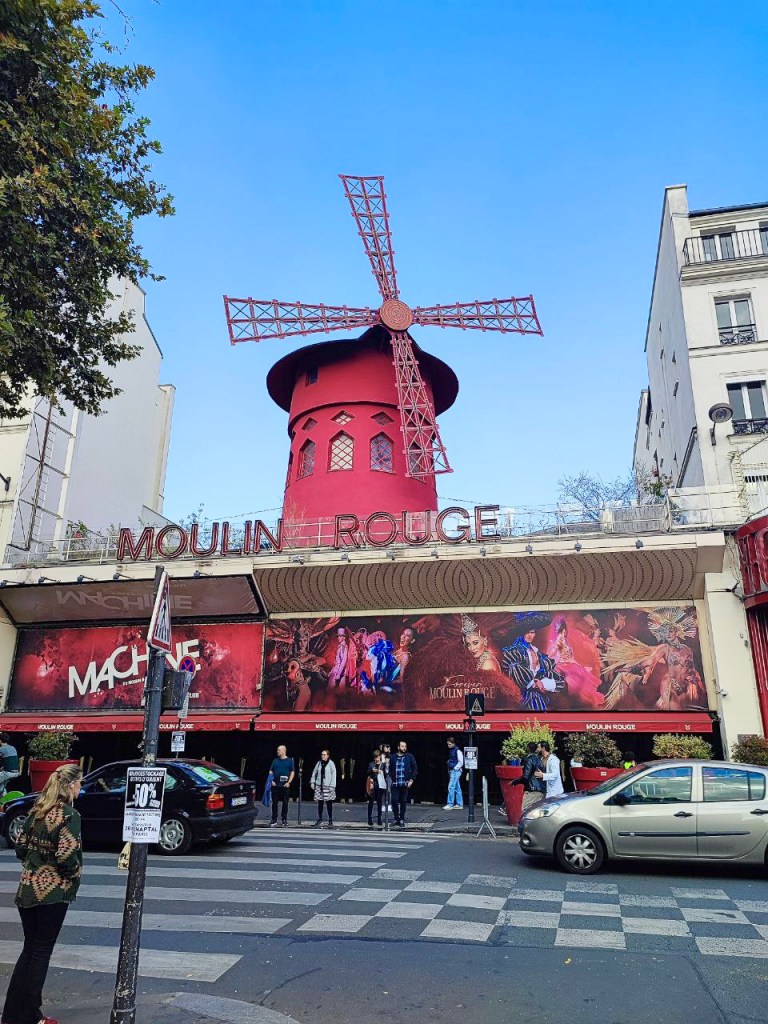
Montmartre : Renowned for its rich artistic history and crowned by the iconic white-domed Basilica of the Sacré-Cœur, Montmartre stands as a grand hill in the northern 18th arrondissement of Paris. At the foot of this hill lies Place Blanche, home to the famous Moulin Rouge, from where we started our gradual ascent into Montmartre. This is where countless great artists and writers found inspiration.
Montmartre, also known as the Mount of Martyr, was once a separate village before it became part of the city of Paris. It has been a haven for artists like such as Picasso, Derain, Modigliani, Van Gogh, and countless others, who lived and created their masterpieces amidst the charming and narrow streets of this artistic enclave.
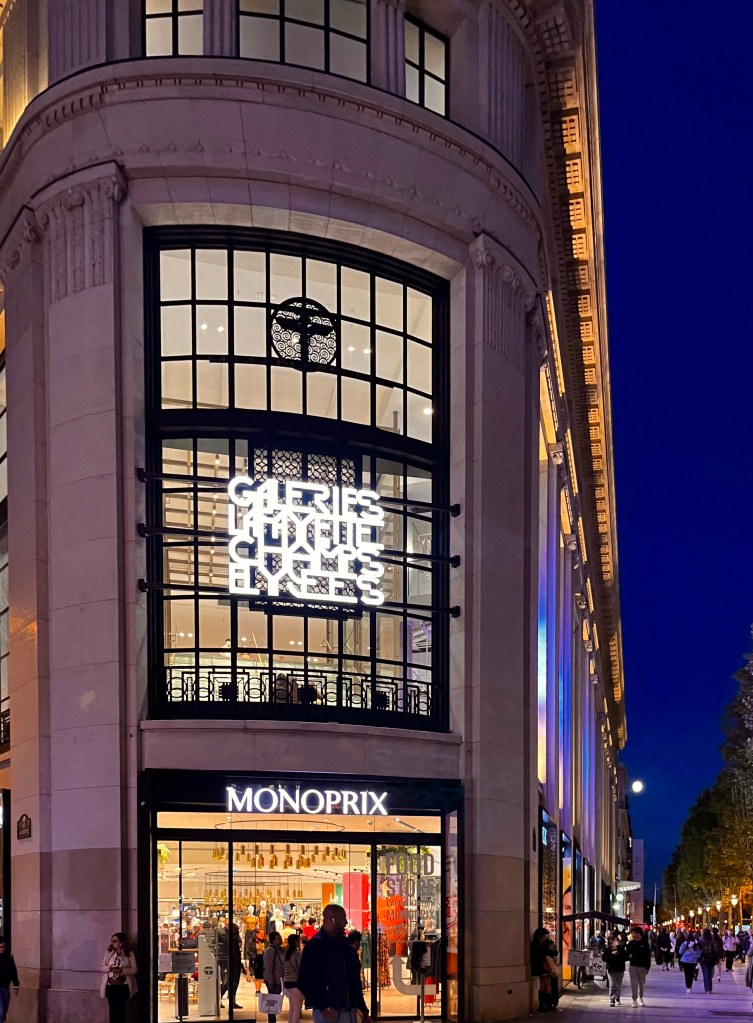
Champs Élysées : Champs-Élysées, a 2-kilometer-long avenue in Paris’ 8th arrondissement, stretches between Place de la Concorde and Place Charles de Gaulle (Arc de Triomphe). It is renowned as the most famous and beautiful avenue in the world.
Originally a marshy and undeveloped area outside Paris’s city walls, Champs-Élysées was purchased by the widow of King Henry IV, who later commissioned the Tuileries Palace and gardens near Place de la Concorde. In the 18th century, it evolved into a tree-lined promenade known as the “Grand Cours,” where Parisian aristocrats strolled and socialized. During Louis XVI’s reign, André Le Nôtre redesigned it with a straight perspective from the Louvre Palace to the Arc de Triomphe. Champs-Élysées played a significant role during the French Revolution, witnessing the execution of King Louis XVI and Queen Marie Antoinette. Over the years, it became a hub for luxury, culture, and events, solidifying its status as an emblem of Parisian elegance and history.


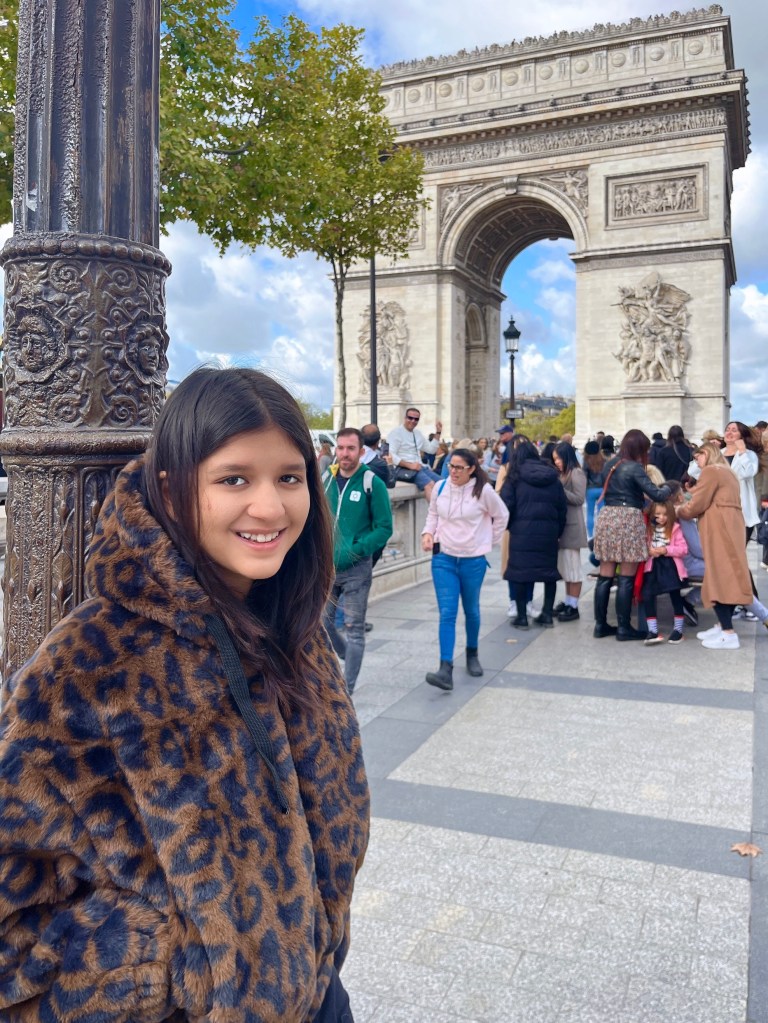
Arc De Triumph : Positioned in the heart of Paris, the Arc de Triomphe commands attention in the bustling area of Place Charles de Gaulle, at the western end of the Champs-Élysées. Commissioned by Napoleon Bonaparte in 1806, shortly after his victory at Austerlitz to commemorate the soldiers who fought and died for France during the French Revolutionary and Napoleonic Wars. However, due to various historical events and interruptions, the construction of the monument was not completed until 1836, long after Napoleon’s reign.
Venturing up its spiral staircase to enjoy the breathtaking view requires purchasing tickets. As I climbed the spiral staircase, the panoramic view from the top took my breath away – the Champs-Élysées stretching out like a grand boulevard beneath me. The experience left me humbled by the history and beauty that this iconic landmark represents.
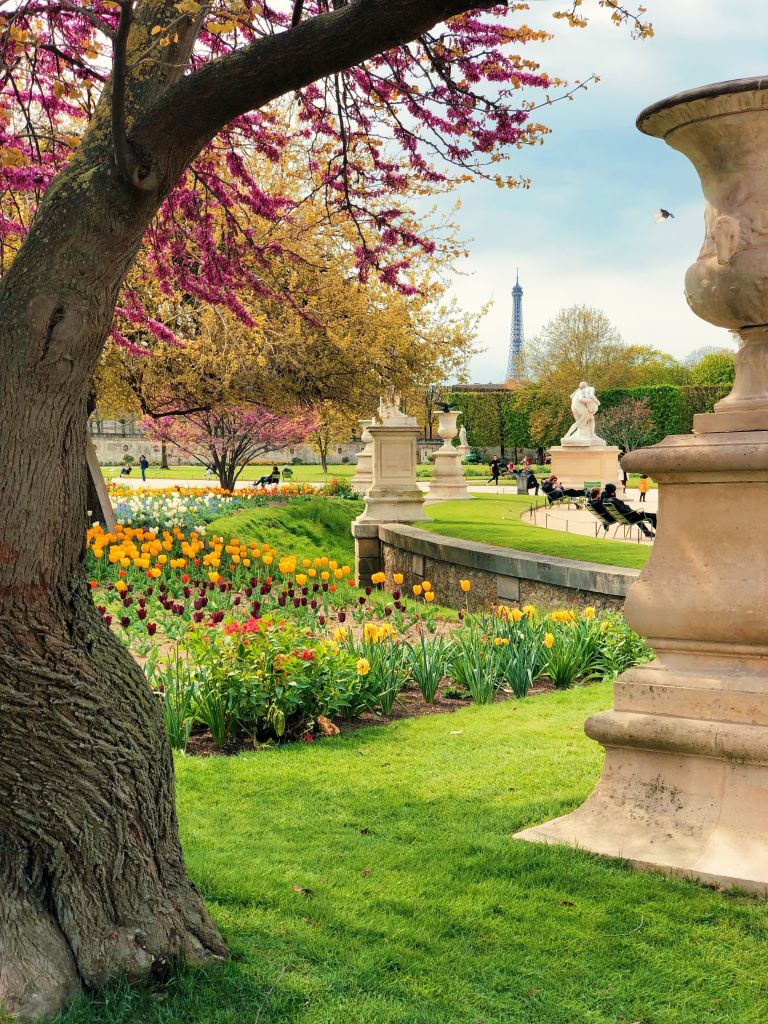
Tuileries garden : This green haven in the heart of the city is located right next to the Louvre Museum and not far from Place de la Concorde. The Tuileries Garden dates back to the 16th century when it was created by Queen Catherine de’ Medici as part of the Tuileries Palace. The garden became a public park after the French Revolution. During the Paris Commune in 1871, the Tuileries Palace was set ablaze and destroyed, now only the garden remains a reminder of the palace’s former grandeur.
Walking through this classic French formal garden we saw neatly lined trees and colorful flowers. The garden is adorned with various sculptures, including works by artists like Auguste Rodin. Lounging by the reflective rectangular pond, with the Louvre Museum in view, felt like a scene from a dream. The garden is used as a venue for Paris Fashion Week events.
Entrance Fee : Entry is free all year round.
FRENCH FOOD SCENE
In a city as gastronomically rich as Paris, the challenge lies not in ranking eateries, but in savoring the endless symphony of flavors that cater to every palate. This bustling metropolis attracts tourists from all corners of the globe and stands as a paradise for food enthusiasts. Be ready to spot at every turn – boulangeries, pâtisseries, viennoiseries and brasseries. Then there are Fromages and Charcuteries. If you find yourself as intrigued as I was by these charming French terms, let me unravel the delightful world of pastries and baked goods.
Firstly, a Pâtisserie (pah-ti-suh-ree) is not just a place but a term used to describe the art of French pastry-making, and it refers to the pastry shop where these delectable creations are sold. In France and Belgium, strict regulations govern the use of the term 'Pâtisserie,' reserving it for bakeries that employ licensed maître pâtissier, or master pastry chefs. This ensures that the delicate craft of creating French pastries is preserved and maintained at the highest standard.
On the other hand, a boulangerie (boo-lahn-zhuh-ree) is a quintessential French bakery that holds a special distinction – they must bake their bread on-premises to be bestowed with the coveted title of 'boulangerie' in France. While a boulangerie may also offer an array of pâtisseries and viennoiseries, their primary expertise lies in crafting traditional French breads. The scent of freshly baked baguettes and artisan loaves wafting from these establishments is a true delight.
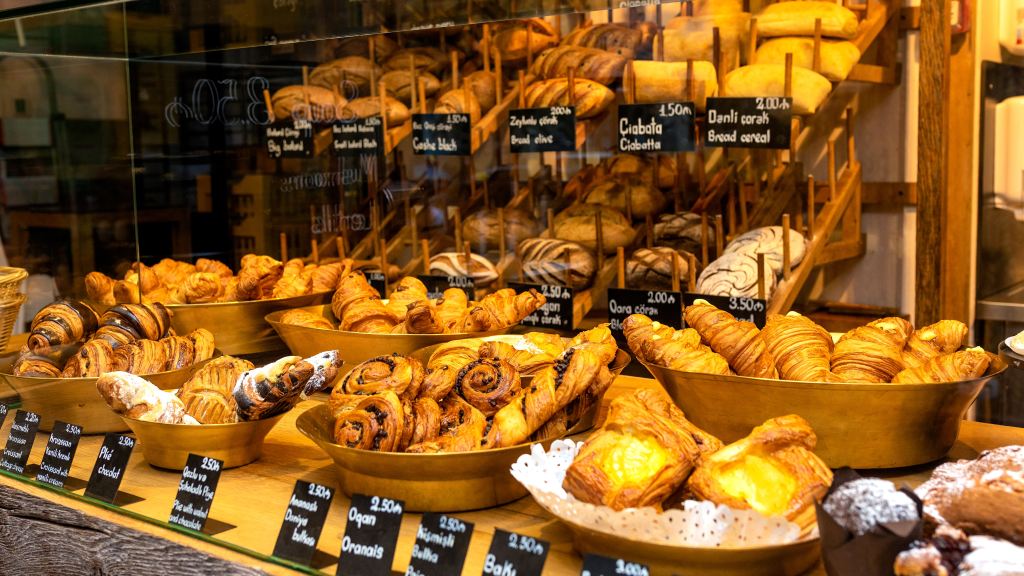
Now, let's uncover the realm of viennoiseries (vyen-wah-zuh-reez) – breakfast pastries inspired by the Viennese baking tradition of Austria. Viennoiseries rose to prominence in France after an Austrian military official, August Zang, introduced them to French pastry circles. He opened a renowned bakery, Boulangerie Viennoise, in Paris, bringing new and delightful ideas to the city's culinary landscape such as buttery croissants, pain au chocolat, and pain aux raisins. These flaky, indulgent treats have now become an integral part of the French breakfast experience.
Brasserie (brah-suh-ree) finds its roots in the French word "brasser," which translates to "
 brew." In the past, brasseries were renowned for their on-site brewing and serving of beer. Today, they continue to charm visitors with a delightful array of single dishes and hearty meals, featuring a rich selection of traditional French fare.
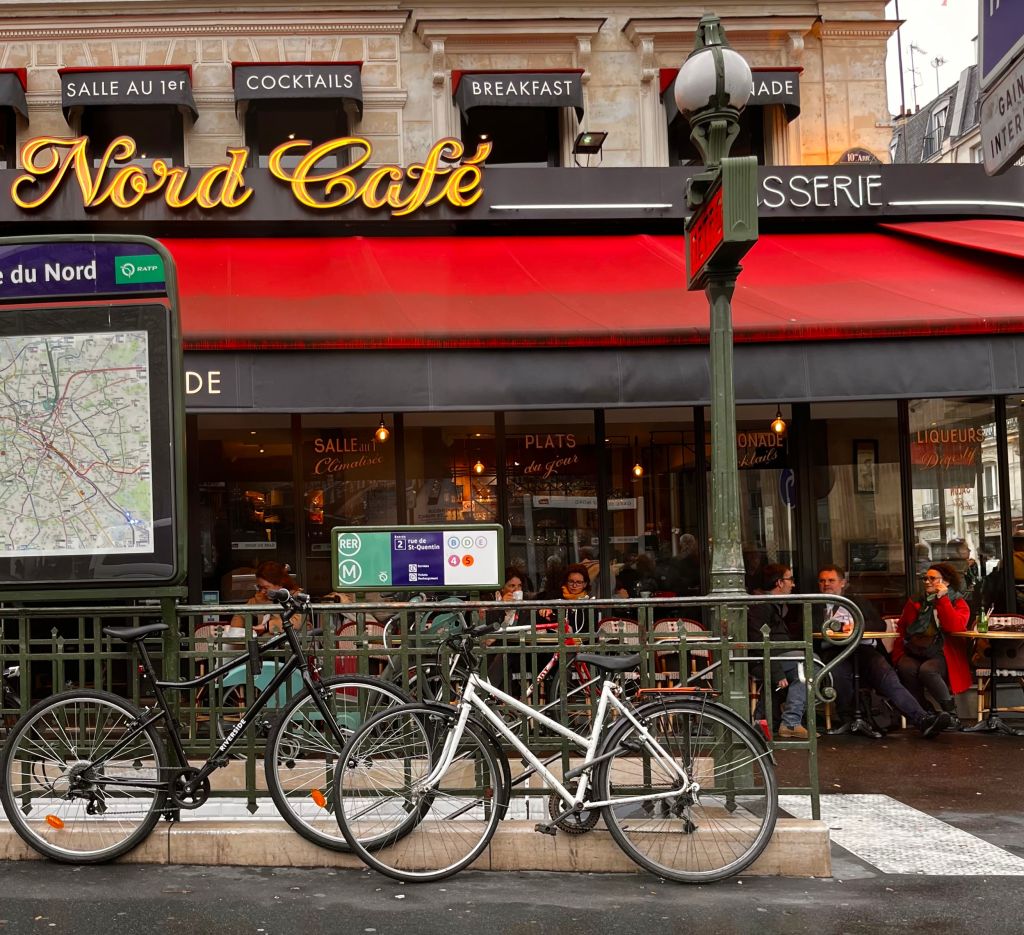
Fromages is the French word for "cheeses." France is renowned for its diverse and extensive variety of cheeses, ranging from soft and creamy bries to pungent blues and aged chèvres. Cheese is an integral part of French cuisine and culture.
Charcuterie items are commonly enjoyed as appetizers, on charcuterie boards, or as part of larger meals, and they are a prominent feature of French cuisine. It refers to a branch of cooking related to prepared meat products, often focused on items like cured meats, sausages, pâtés, terrines, and various other meat-based delicacies and are typically made from pork.
As the sun sets on my Parisian escapade, I carry with me the echoes of history, the whispers of art, and the embrace of a city that truly captivates the soul. Until we meet again, Paris. À bientôt!
To know Paris is to know a great deal.
Henry Miller

 MOIMEHR