With a mother who’s practically a human atlas, we constantly lean on her geography and never stop bouncing from one adventure to the next. My dad’s wallet? It groans at the mere thought of our travel itinerary, but we keep him entertained with the promise of souvenirs! Mom’s love for culture and passion for unpolished destinations means countries like Switzerland and Scotland rarely make the cut. Moreover, Mrs. Dey’s lessons left me with an eternal love for Japan, the ‘Land of the Rising Sun.’ So, we were off to uncover the mysteries of the culturally dazzling Japan! Let the sushi and samurais guide us!
We’ve always skipped hiring travel agents for our trips. While they’re perfectly fine for some, we thrive on the unmatched freedom of planning our own adventures. I suggest taking control of your own plans and handling challenges with confidence because in the end it’s all about the hilarious mishaps and questionable detours—not just getting to the final destination!
We chose to fly to Tokyo with ANA (All Nippon Airways)—and not only because we scored a sweet deal! ANA is one of Japan’s top airlines alongside JAL (Japan Airlines) and promises a flight experience so smooth, you’d think you were floating on a cloud of matcha tea.
Choosing to fly with the local carriers was like being dropped straight into a bowl of ramen—full of flavor and culture! By the time we landed, we were practically fluent in bowing, chopsticks, and trying not to embarrass ourselves. The Japanese airline staff made us feel at home but that’s just Japanese hospitality for you—unparalleled and always making you wish you could take a few tips home for family gatherings!
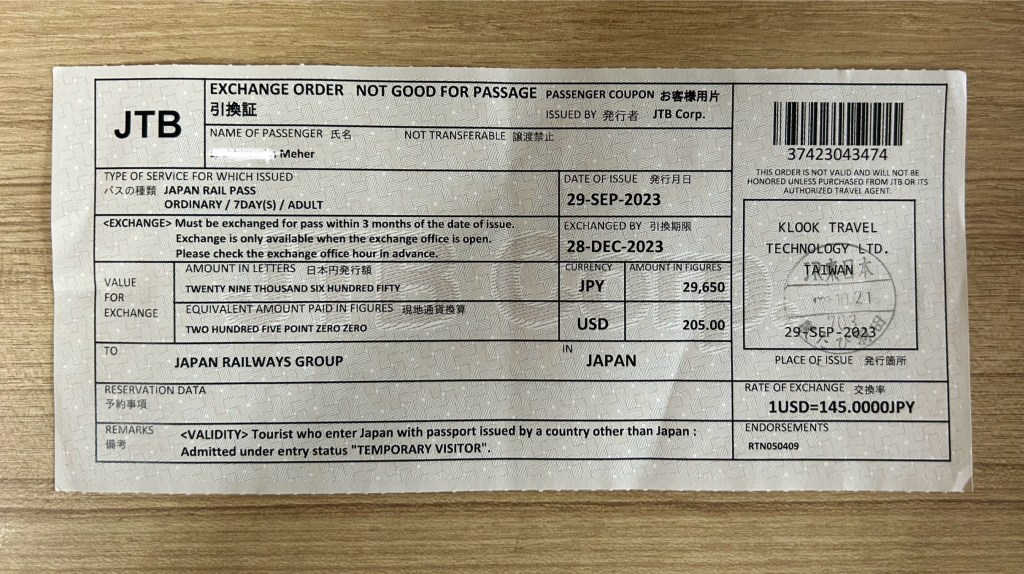
Before we even landed in Japan, we grabbed our JR Passes for a whirlwind adventure. These passes are like magic keys to unlock the entire country. We ordered them online, and within two weeks, our confirmations showed up in the mail—no carrier pigeons involved!
Now, a little plot twist: those are confirmation slips, not the actual passes! You’ll need to trade them in for the real thing at a JR Exchange office. The process is a breeze and soon enough, you’re all set to hop on and off the trains across Japan. Let the adventures commence and the bento boxes be plentiful!
Ikigai: find your reason for being
Japanese concept which refers to the idea of finding purpose and fulfilment in life
JR PASS
I’ll share all you need to know about the JR Pass soon in another post—just as soon as my school stops hitting me with all the homework pressure! This should do for the time being –
The Japan Rail Pass is a great deal for unlimited rides on Japan’s sprawling rail network—at least it was during my travels. They have recently hiked up rates, but it still makes zipping around Japan a piece of cake, letting you explore at your own speed. That said, Japan is so well-connected that you can also opt for cheaper options if you’re on a budget.
The JR Pass allows you to ride all Shinkansen bullet trains, but there is an extra fee for using the “NOZOMI” or “MIZUHO” Shinkansen bullet trains on the Tokaido, Sanyo, or Kyushu lines, certain conditions apply. You’ll need a special ticket issued only to Japan Rail Pass holders to ride these high-speed trains. The supplemental charge will vary depending on the distance you travel.
Select the duration that fits your trip: 7 days, 14 days, or 21 days depending on your travel plans. There are two options to choose from based on your preferences:
Green Car Pass, offering access to the luxury and comfort of Green Cars (first-class cars)
Standard Car Pass, which provides access to the standard (regular) class cars, which are already quite comfortable. We opted for these and had no complains.
However, if you accidentally board a Green Car with a Standard Car pass, don’t worry! The compartments are connected, so you can easily walk to your correct seat. You can even ask the train staff for directions—they’re friendly and won’t treat you like a criminal.
Kintsugi: embrace flaws and imperfections
Japanese art of golden repair that celebrates the beauty of imperfection and natural cycle of growth and decay
KYOTO, THE HIGHLIGHT OF OUR TRIP
After nabbing our JR passes, we hopped on a Shinkansen to Kyoto, the former capital for over a thousand years and cultural heart of Japan. It was the perfect place to kick off our journey, even if our planning skills were a little less perfect. Sure, we could’ve taken a direct flight from India to Kyoto, but hey, what’s life without a little scenic detour?
When we rolled into Kyoto railway station, the second-largest in Japan, we quickly hailed a cab and made a beeline for our hotel in Kawaramachi. If you find yourself in Kyoto, let me be your trusty guide and say stay in Kawaramachi! It’s the buzzing heart of the city, where you can shop ’til you drop with big brands, lose yourself in the sensory explosion of Nishiki market, or raid the Seven Eleven for emergency snacks (our hotel was bang opposite to it). When it comes to food, Kawaramachi serves up options like it’s trying to win a gold medal in culinary variety and the soft background music playing all day gives the whole place that classic movie soundtrack vibe!
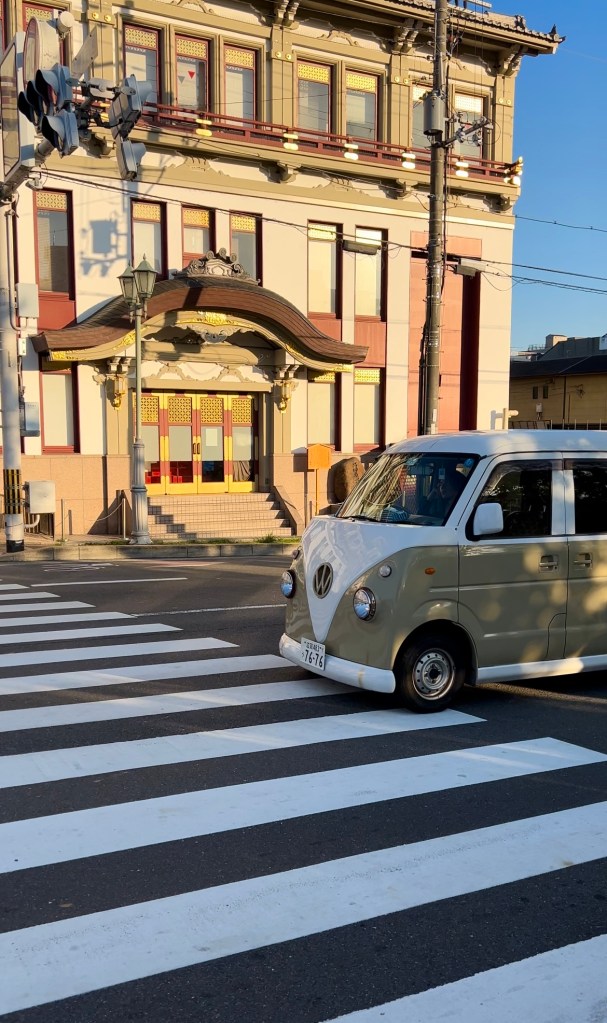
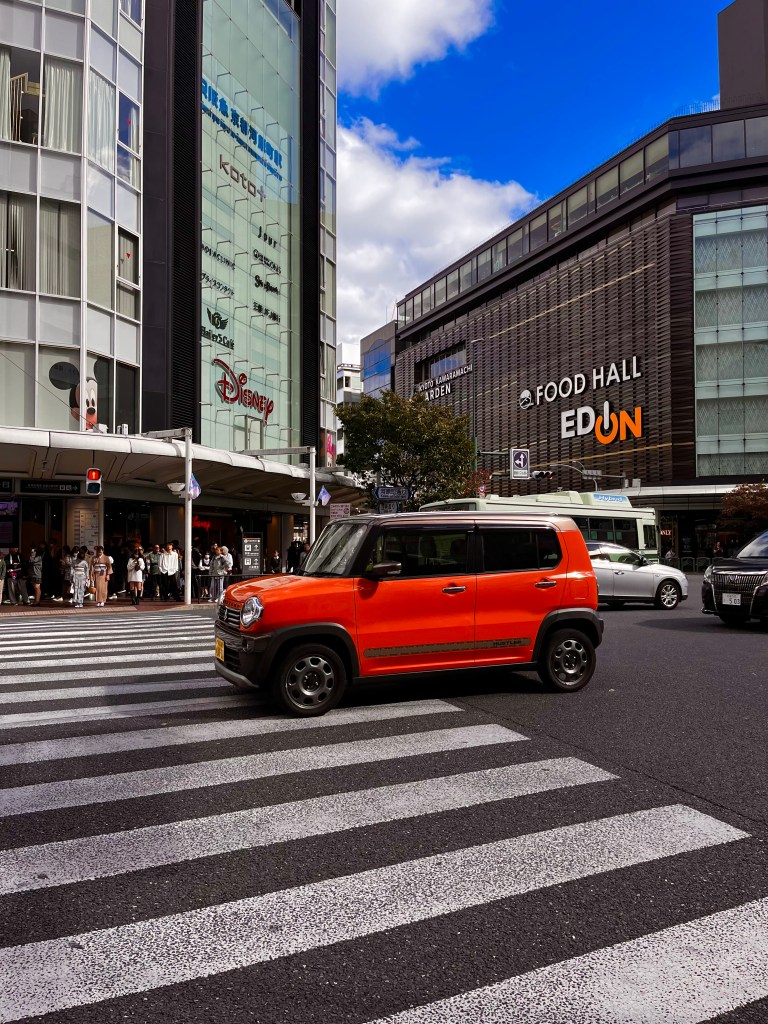

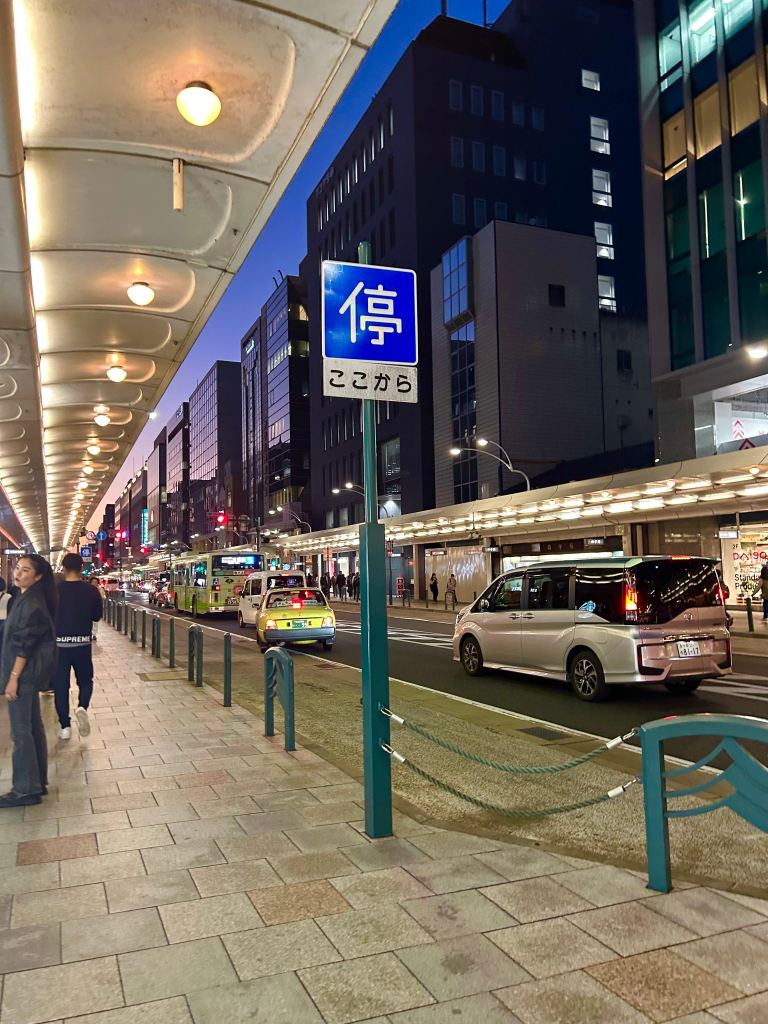
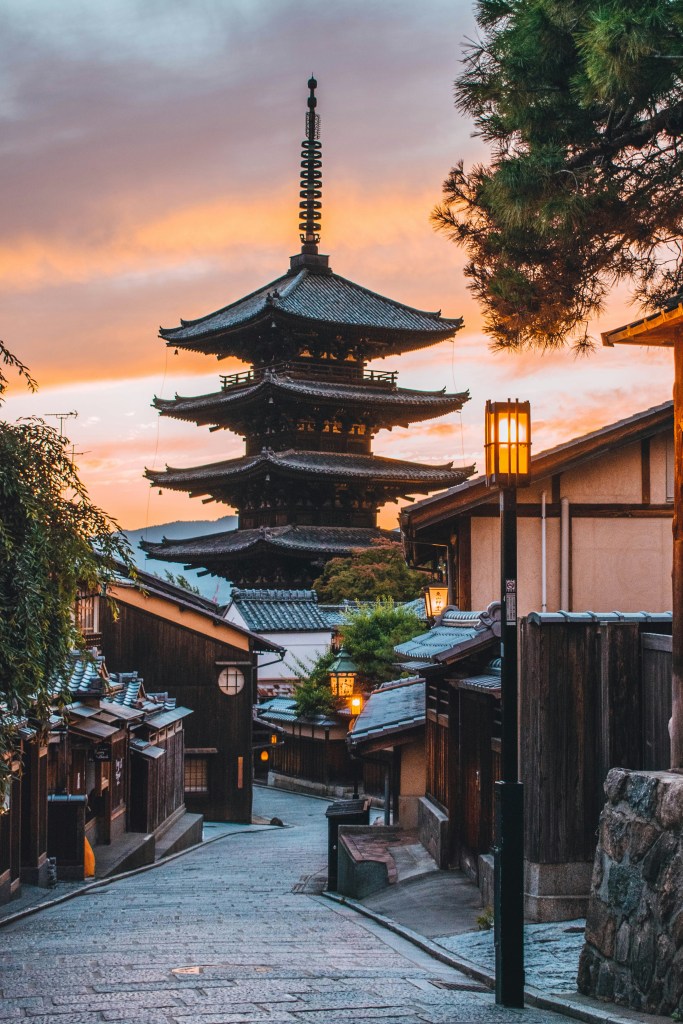
Kyoto’s popularity outshines even the capital, Tokyo, and it’s no wonder why! The city offers a picturesque retreat with a stunning mountain backdrop and a delightful blend of modern and traditional vibes. While other cities may have raced into the future and forgotten their roots, Kyoto keeps it chill with quaint buildings and an anti-skyscraper stance.
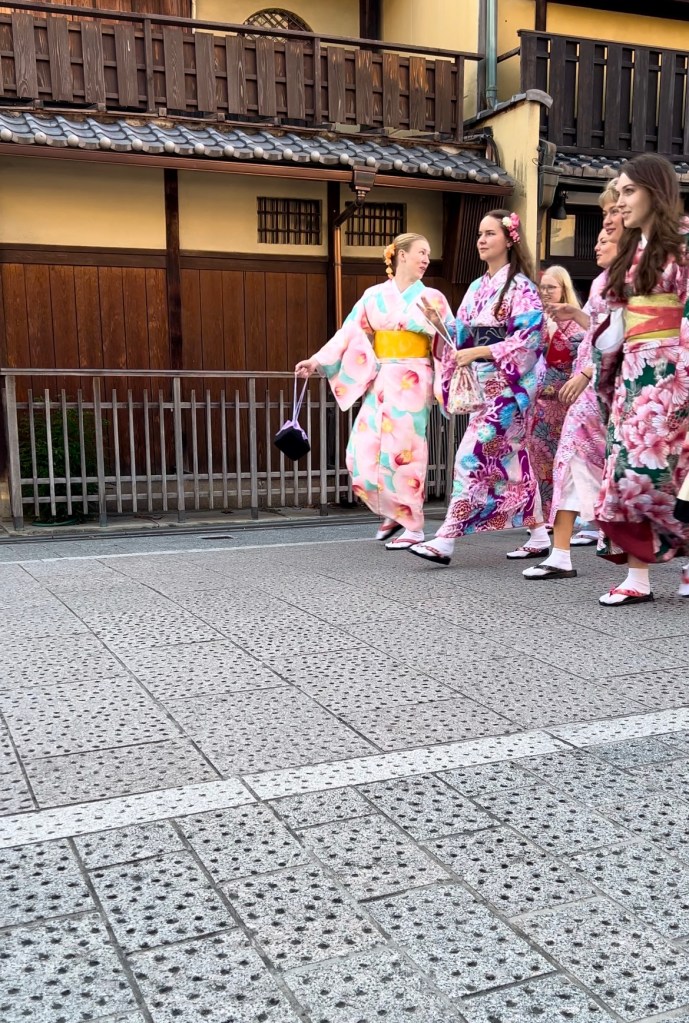
Prepare to be dazzled by Kyoto’s gorgeous oriental roofs and a sea of Kimonos parading down the streets. The city is like a scene from a whimsical anime, with glowing red lanterns, the enticing scents of tatami, fish, barbecue, and soy sauce dancing through the air, and the locals showing off their foodie game. Strolling past charming wooden machiya houses while listening to traditional Japanese tunes is like stepping into a totally new world—but don’t worry, no teleportation device required!
Kaizen: Continuous improvement
Japanese term that translates to ‘change for the better’
PLACES TO SEE IN KYOTO
Kyoto, Japan’s cultural soul, is a time traveler’s dream. The city is bursting with historic landmarks that’ll make you feel like you accidentally stumbled onto a movie set. Though our time in Kyoto was a bit like trying to fit an elephant in a teacup, we made the most of it! What we experienced was enough to tell you that Kyoto’s charm is unforgettable, even if we couldn’t see it all. So, pack your adventure hats and get ready for the ultimate Kyoto whirlwind tour—you won’t be disappointed.
Kyoto offers a wealth of attractions for visitors, and there are some must-see spots that most tourists make sure to check out:
- Marvel at the stunning Buddhist temples and Shinto shrines, like the blinged-out Kinkaku-ji (Golden Pavilion), the slightly less shiny Ginkaku-ji (Silver Pavilion), and the Tori gate-filled wonderland of Fushimi Inari-taisha.
- Get lost (literally and figuratively) in the traditional gardens of Ryoan-ji and Saiho-ji, where zen is the name of the game.
- Venture into the famous Gion district and soak in the magic of traditional tea houses and geisha culture.
- Explore the Arashiyama district, known for its breathtaking bamboo groves and nature’s greatest hits.
- Feast your taste buds on everything from high-end traditional kaiseki cuisine to street food delights at Nishiki Market.
Oubaitori: Not comparing oneself
Japanese concept that refers to the blossoming of four different trees: plum (ume), cherry (sakura), peach (momo), and apricot (bai) which all bloom in spring but each has its own timeline and style of blossoming.
HERE ARE MY TOP PICKS!
Gion district : On our first day in Kyoto, we strolled through the legendary Gion district, a place where history and culture collide with a touch of magic. This is the land of geishas and maikos (apprentice geishas), and if you’re lucky, you might just catch a glimpse of one gracefully gliding by.
Gion’s been the go-to entertainment spot since the Middle Ages for visitors to Yasaka Shrine. It’s known for its traditional arts and geisha culture, where the spirit of old-school Japan is alive and kicking. From tea ceremonies to music and dance, Gion has you covered for a one-stop cultural immersion.
To fully experience Gion, pop into a teahouse (ochaya) and embrace the soothing world of Japanese tea. And don’t forget to swing by Gion Corner to catch music and dance performances at specific times.
As you wander down Hanamikoji-dori Street, one of Gion’s main arteries, prepare to feel like you’ve been swept back to the Edo period. This historic street is lined with wooden machiya houses and traditional ochaya, giving you all the vintage vibes.

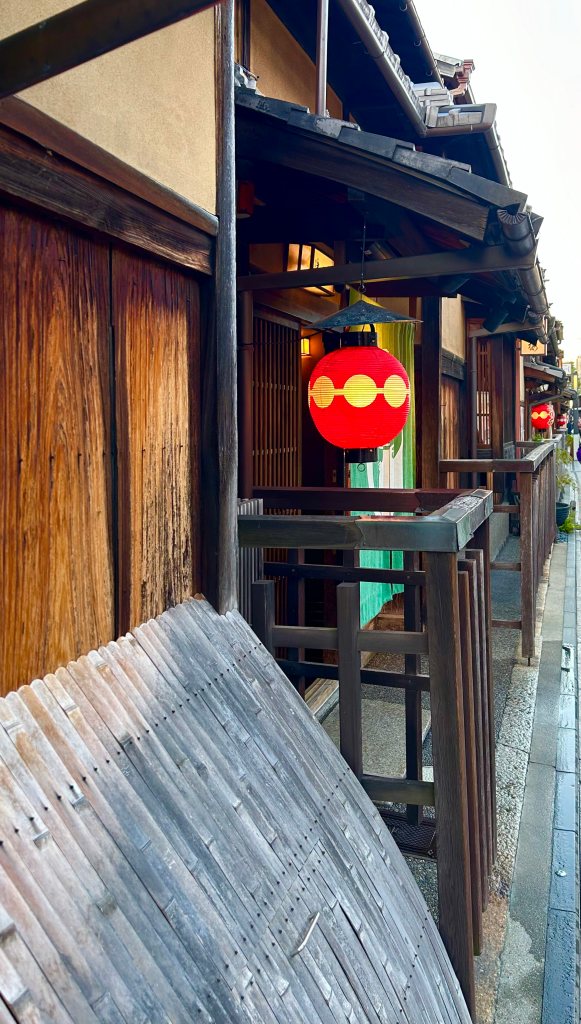
Wrap up your adventure with a visit to Yasaka Shrine at the end of Shijo-dori. It’s one of Kyoto’s most famous Shinto shrines and plays a big role in the Gion Matsuri festival. Yasaka Shrine is believed to protect the city from mischief, so maybe it’ll keep you out of trouble too!
Our day in Gion was packed with fun and culture. You won’t be disappointed!
How to Reach : We just walked to it. Gion from Kawaramachi is a five minute walk. However you can also go –
By Train: Take the Keihan Main Line and get off at Gion-Shijo Station. This station is located just a short walk from Gion District. Since we stayed in Kawaramachi, it was only a short walk to Gion.
By Bus : Take the bus that go to the Gion area, such as routes 100, 206, or 207 and get off at the “Gion” or “Gion Shijo” bus stop.
Shinrin-Yoku : Forest Bathing
Japanese practice that involves immersing yourself in nature to relax, recharge, and experience a connection with nature
Fushimi Inari : The next morning, we made our way to Fushimi Inari, Kyoto’s most iconic hotspot. Kyoto is a temple wonderland with over 1,600 Buddhist temples and 400 Shinto shrines, including well-known ones like Kinkaku-ji (Golden Pavilion) and Ginkaku-ji (Silver Pavilion), but Fushimi Inari-taisha is the rock star of the bunch.

Fushimi Inari Shrine is dedicated to Inari, the Shinto god of rice, agriculture, and prosperity. It is the head shrine of thousands of Inari shrines found throughout Japan. The shrine is believed to have been founded in 711 AD, making it one of the oldest and most significant shrines in the country.
The famous Torii gates have become a symbol of Fushimi Inari. These gates line the paths up the mountain, leading to smaller shrines and scenic viewpoints. Each Torii gate is donated by individuals or businesses seeking good fortune, and they often bear the name of the donor and the date of donation.
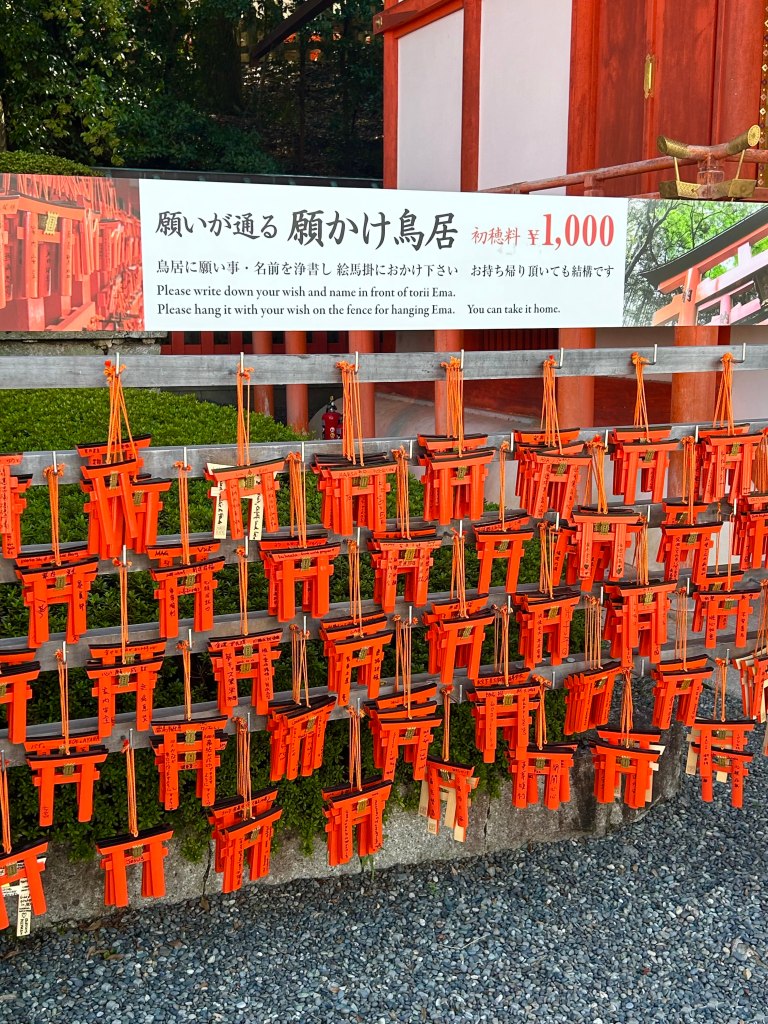
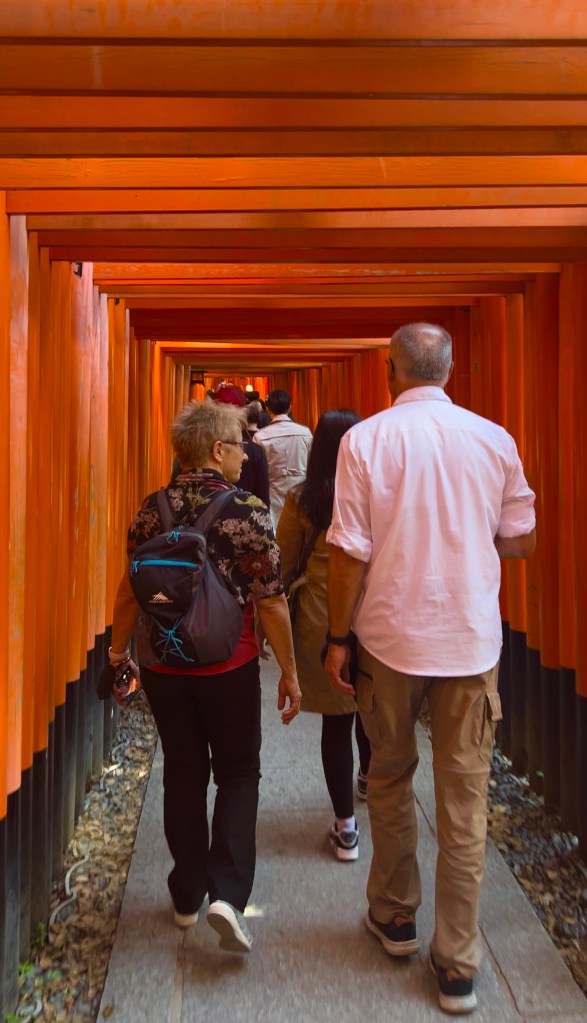
Here’s a pro tip: get there early for a zen-like experience and snag those Insta-worthy shots without the selfie stick crowd. Fushimi Inari is famous for its army of vibrant red torii gates, which symbolize wealth and the passage from the everyday world to the divine. The vibrant red gates create a magical path leading up to the shrine, making visitors feel like they’re on a set for a new mystical movie.
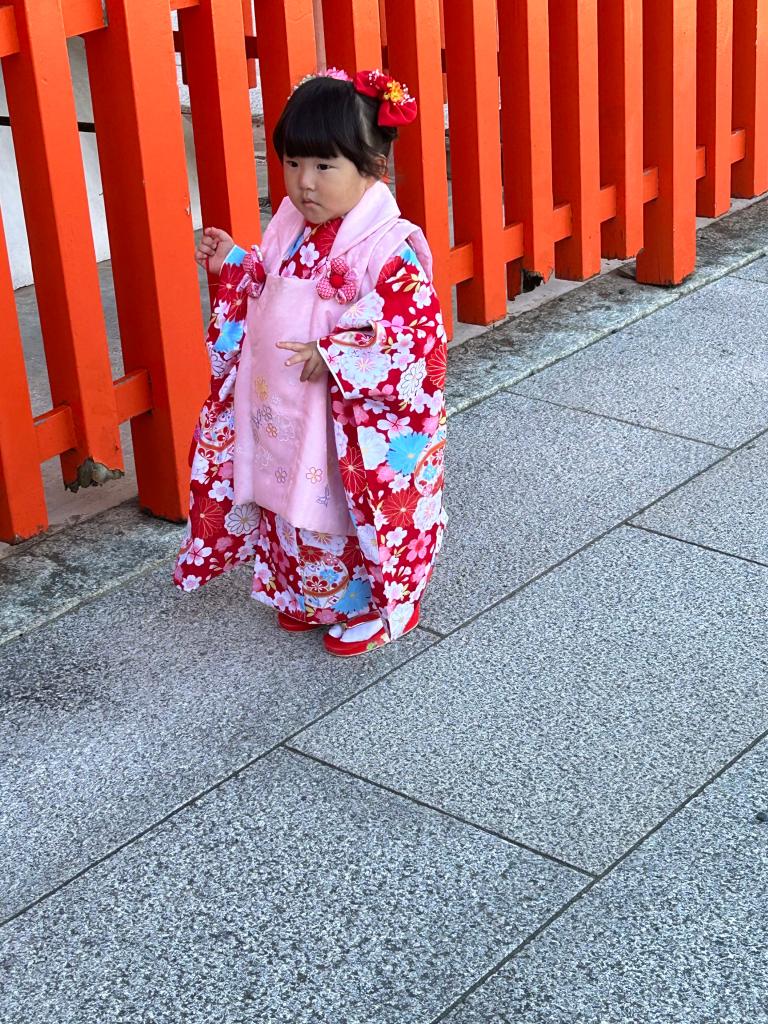
Also some sights in Kyoto will let you in for free if you’re dressed in a kimono! But before you go showing up all decked out, make sure to double-check the details—don’t just take my word for it, or you might end up like me, all dressed up with nowhere to go!
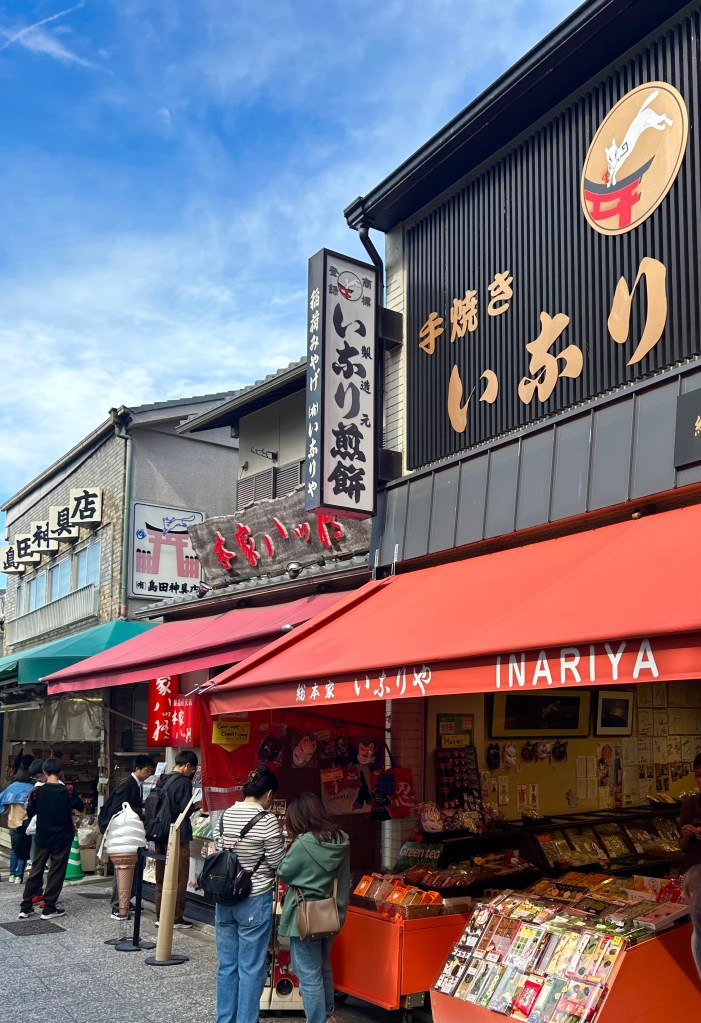
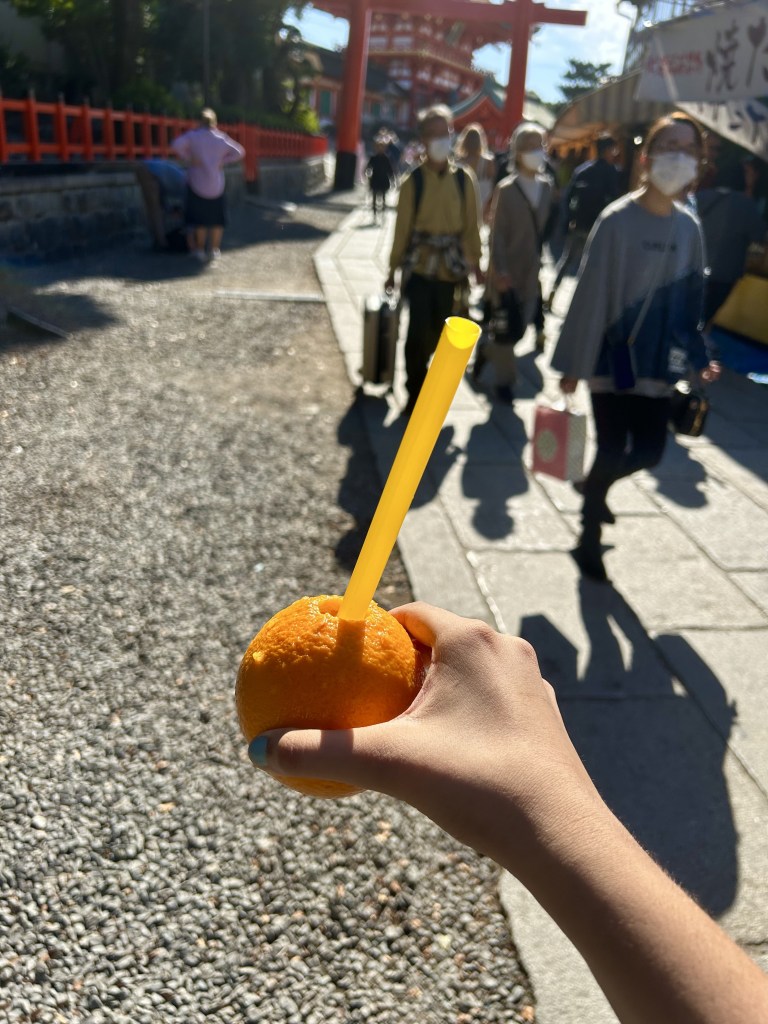
How to Reach : Traveling from Kyoto Station to Fushimi Inari is quick and straightforward. Take the JR Nara Line from Kyoto Station to Inari Station. The train ride takes about 5 minutes. Once you arrive at Inari Station, the entrance to Fushimi Inari-taisha Shrine is right across the street, making it very convenient.
Wabi-Sabi: Acceptance of transience and imperfection
Japanese belief that finds beauty in simplicity and appreciation of the flawed and unpolished
Arashiyama Bamboo Forest : The next day, we ventured to Arashiyama, a charming district on the western edge of Kyoto. This place has been a crowd-pleaser since the Heian period (794-1185), when noble families kicked back here to soak in the chill vibes. It’s like the OG weekend getaway!
Arashiyama’s lush mountains and the serene Hozu River make it a perfect spot to escape city stress and commune with nature. But let me tell you, the main attraction here is the towering bamboo grove, a place so stunning you’ll want to write a haiku on the spot! Watch out for the winding paths—getting lost here is a rite of passage.

Keep an eye out for Japanese ladies decked out in kimonos with parasol, looking like they just stepped out of a painting. It really adds to the dreamy atmosphere. The walk from the train station to the bamboo grove is a bit of a trek, but hey, at least you’re getting some cardio in! Or, if you’re feeling extra chill, hop on an e-rickshaw and cruise your way there.
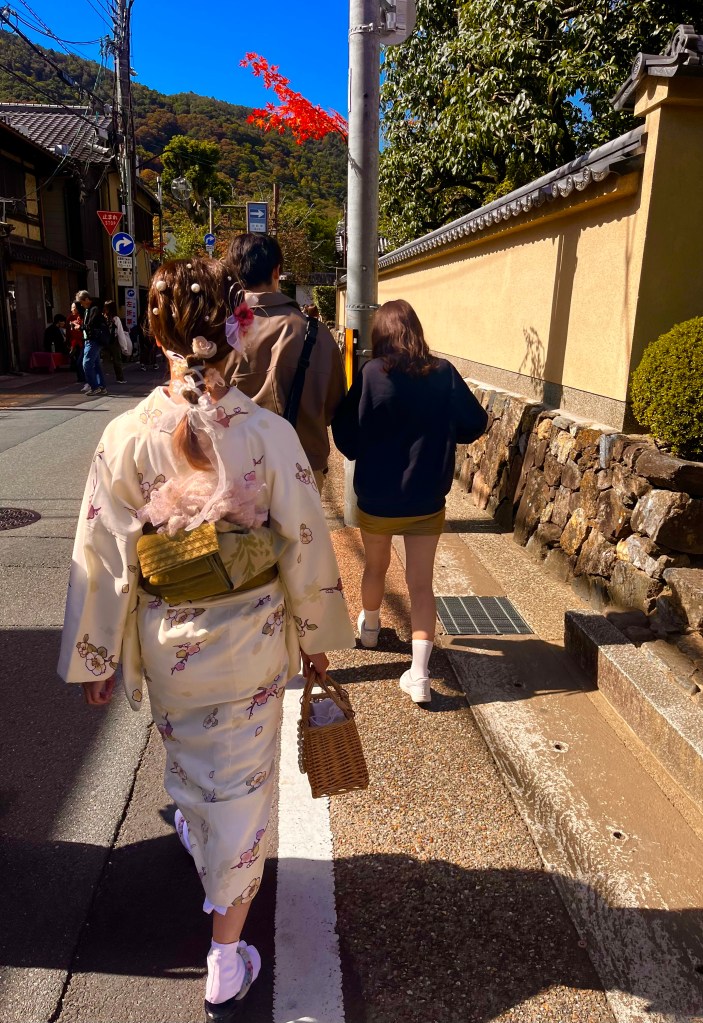
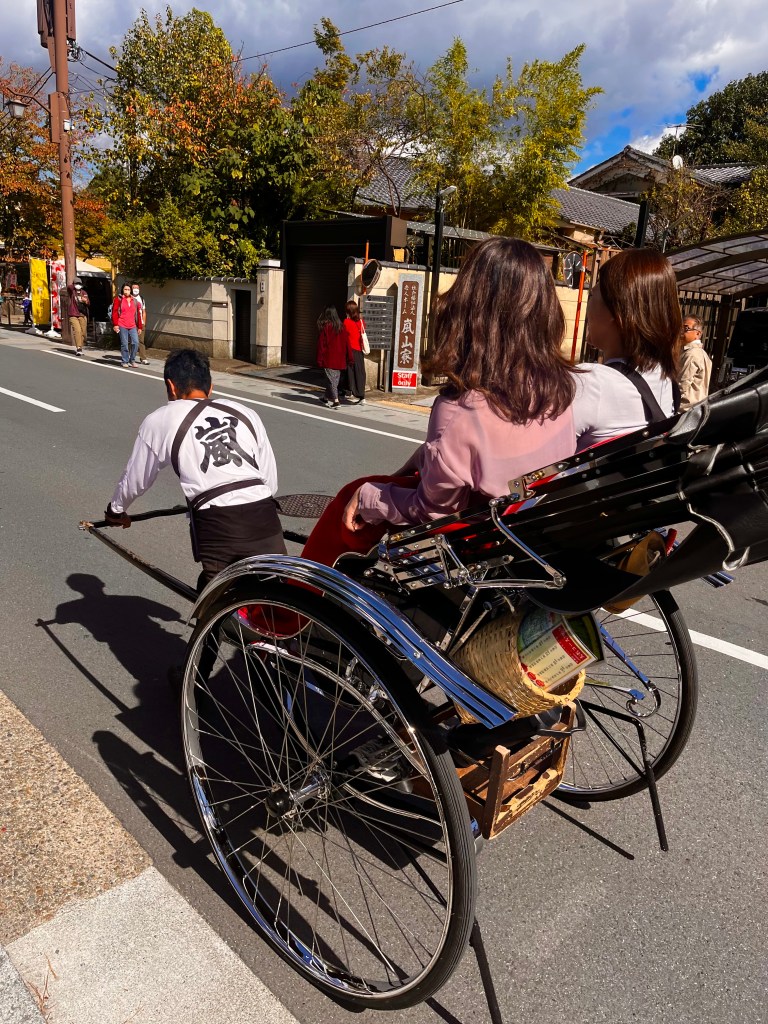
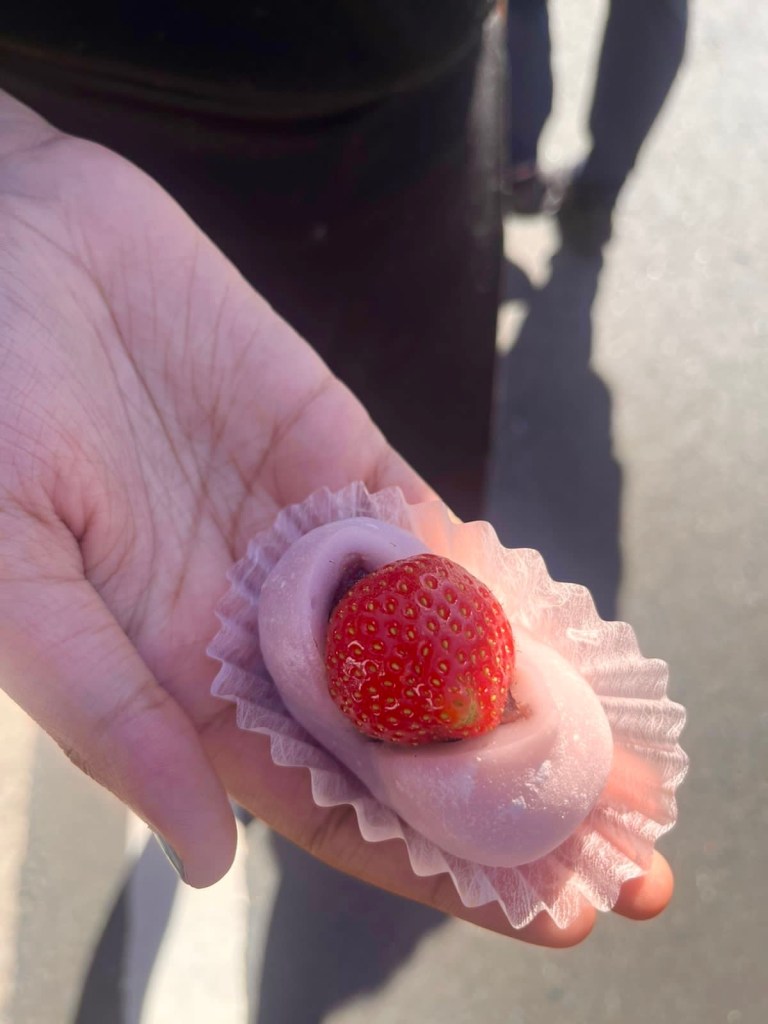
Along the route, you’ll stumble upon food stalls dishing out traditional snacks. My top pick? The strawberry mochi! Soft, chewy, and delicious—it’s like a hug for your taste buds. The area is full of perfect photo ops, so make sure your camera or phone is ready to snap some Instagram-worthy shots!
How to Reach : To travel from Kyoto Station to Arashiyama, you have a few options:
By JR Train: Take the JR Sagano Line (also known as the JR San’in Line) from Kyoto Station to Saga-Arashiyama Station. The journey takes around 15-20 minutes. Once you arrive at Saga-Arashiyama Station, you can walk to the bamboo grove, which is about a 10-15 minute walk away.
By Randen Train: Take the Randen (Keifuku Electric Railway) from Shijo-Omiya Station, which is a short distance from Kyoto Station. Board the Randen train to Arashiyama Station. This option is a more scenic route and takes about 20 minutes. From Arashiyama Station, the bamboo grove is just a short walk away.
Both routes are convenient and provide easy access to the Arashiyama district and the bamboo grove.
Omotenashi: Respect and attentiveness to the needs of others
Japanese culture which comes from tea ceremony but permeates beyond it, meaning to wholeheartedly look after guests
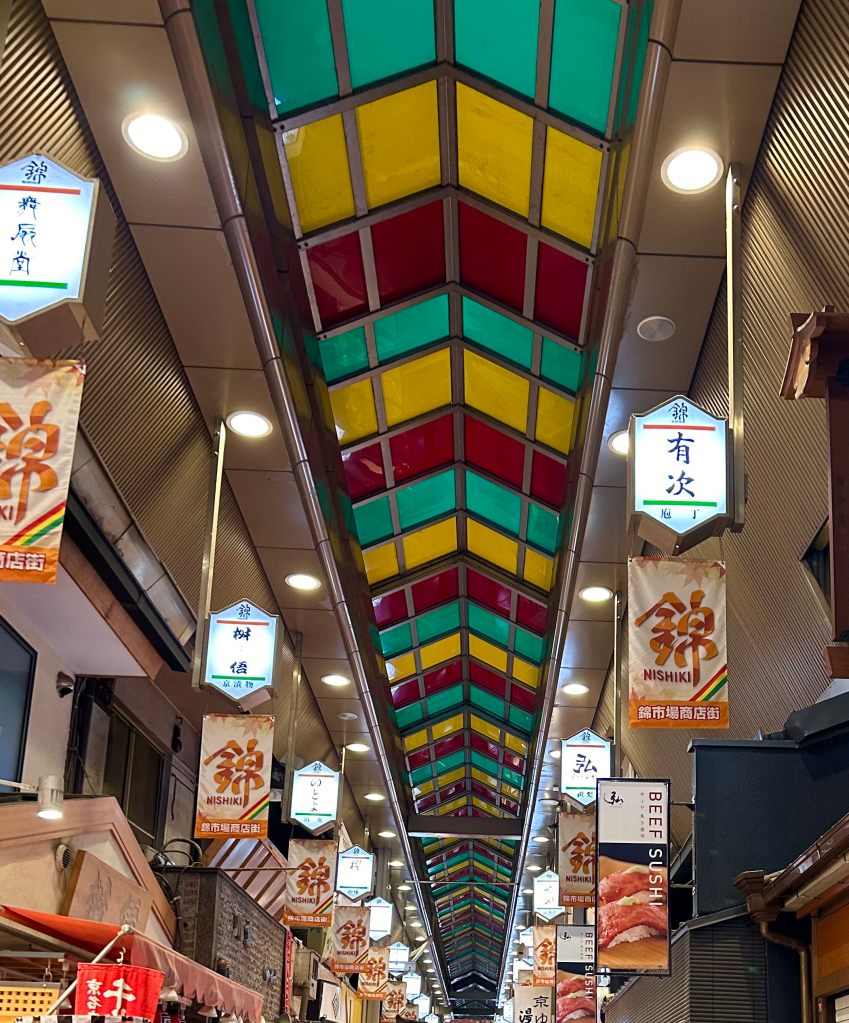
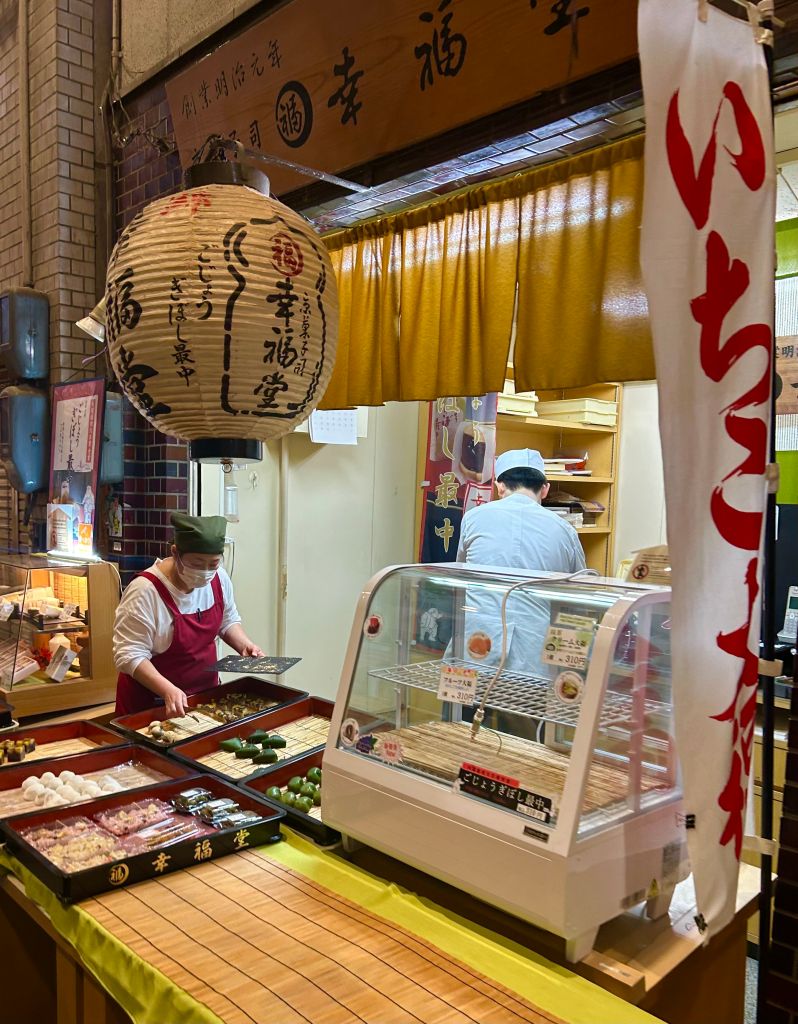
Nishiki Market : In the evening, we ventured to Nishiki Market, conveniently located right across the street from our hotel and known as ‘Kyoto’s Kitchen.’ This market is a foodie’s paradise, offering an array of fresh produce, street food, and local specialties. You’ll encounter everything from sushi and sashimi to tofu, yuba, and pickles. It has something for every food enthusiast—except us vegetarians!
But hey, we didn’t let that stop us from exploring! We happily survived on sweet delights like mochi, shaved ice, ice cream, boba tea, and crepes. We may not have been able to sample the fishy fare, but we were more than content people-watching and soaking up the lively atmosphere!
How to Reach : Nishiki Market is located in downtown Kyoto, at the east end of Nishikikōji Street, just one block north of Shijō Street and west of Teramachi Street. Hey, I just Googled that for you since I stayed right across the street, I was practically Nishiki’s neighbor, but for a proper map, you might want to consult someone else!

Yuugen: Beholding beauty in the unseen
Japanese concept that is associated with an awareness of the unseen or the unspoken
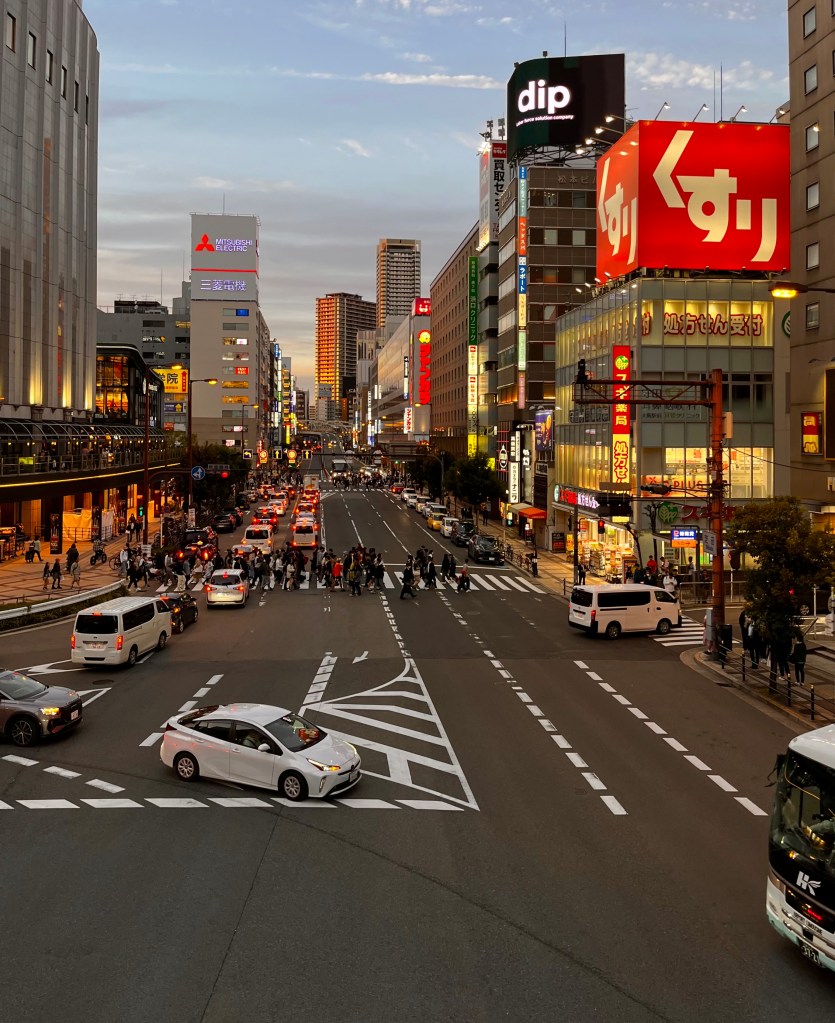
Osaka : Since we were short on time, we could only squeeze in a day trip to Osaka, Japan’s third-largest city.
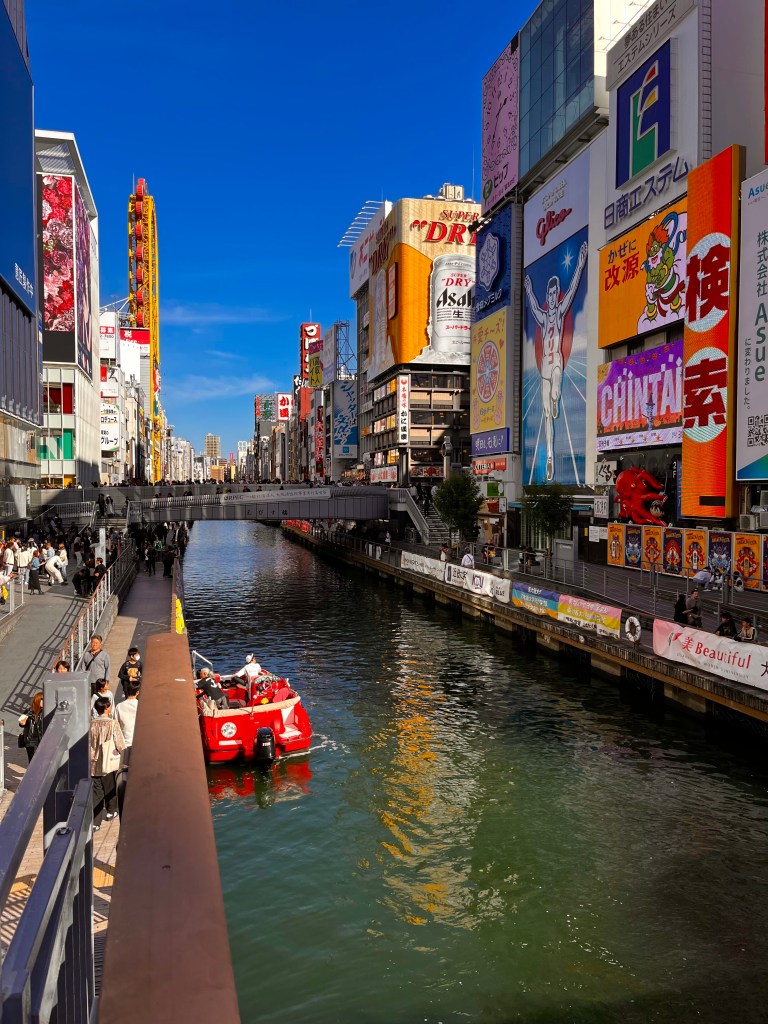
Osaka’s lively Dotonbori district was a feast for the senses with its neon lights and bustling restaurants serving up all kinds of scrumptious treats. The city’s food scene was a gastronomic wonderland, boasting local specialties like takoyaki (octopus balls) and okonomiyaki (savory pancakes) that I devoured like a champ, ofcourse the vegetarian version.
Osaka also boasts a rich history, exploring Osaka Castle, which dates back to the 16th century and gave us good insight into Japan’s feudal history. For retail therapy consider Shinsaibashi and Namba areas.
The vibe in Osaka was so electrifying that I found kicking myself for not staying overnight—oops, another case of less-than-stellar planning on our part! But hey, we made the most of my half-day adventure and soaked up every bit of Osaka’s energy.
How to Reach : Traveling from Kyoto to Osaka was a piece of cake thanks to the close proximity of the two cities and the trusty Shinkansen (bullet train) that whisked us away to Shin-Osaka Station in just 15 minutes flat.
Finally, the Japanese live by the saying “Silence is golden”—they take it so seriously that the loudest sound you hear might just be someone slurping noodles. From trains to malls, everyone is whisper-quiet and focused on their phones, probably swiping for sushi on a food app! So, I’ll zip my lips and let you decide if Japan should be your next vacation destination 😉 Till then Sayonara.

 MOIMEHR