I currently feel like someone whose dream of dreams has been fulfilled by one magical wand. Ever since I can remember, I had been urging my dad to take us up north to the Faroe Islands — Iceland’s lesser-known, equally enchanting cousin. Though I never made it there (yet!), I’m glad I got to explore Iceland instead. It turned out to be my favourite country so far. I spent 12 incredible days circling the entire island, experiencing its raw beauty from every angle. Much like Australia, most of Iceland’s population lives along its coast, while the centre remains a vast, uninhabited highland — wild, remote, and breathtaking.
So here’s a glimpse of what I did — one day at a time.
🗓️ Day 1: Arrival in Iceland – Keflavík Airport to Selfoss
After landing at Keflavík Airport, we picked up our rental car from Blue Car Rental, just a short walk from the terminal. We had booked in advance, so the pickup was smooth and quick. Even walk-in customers seemed to be getting served efficiently. Bonus points – their office has clean restrooms in case you want to freshen up after the flight!
They handed over the car with a full tank, which was perfect because we didn’t have to worry about fuel right away. We tossed our luggage in the boot, synced up the maps, and hit the road!

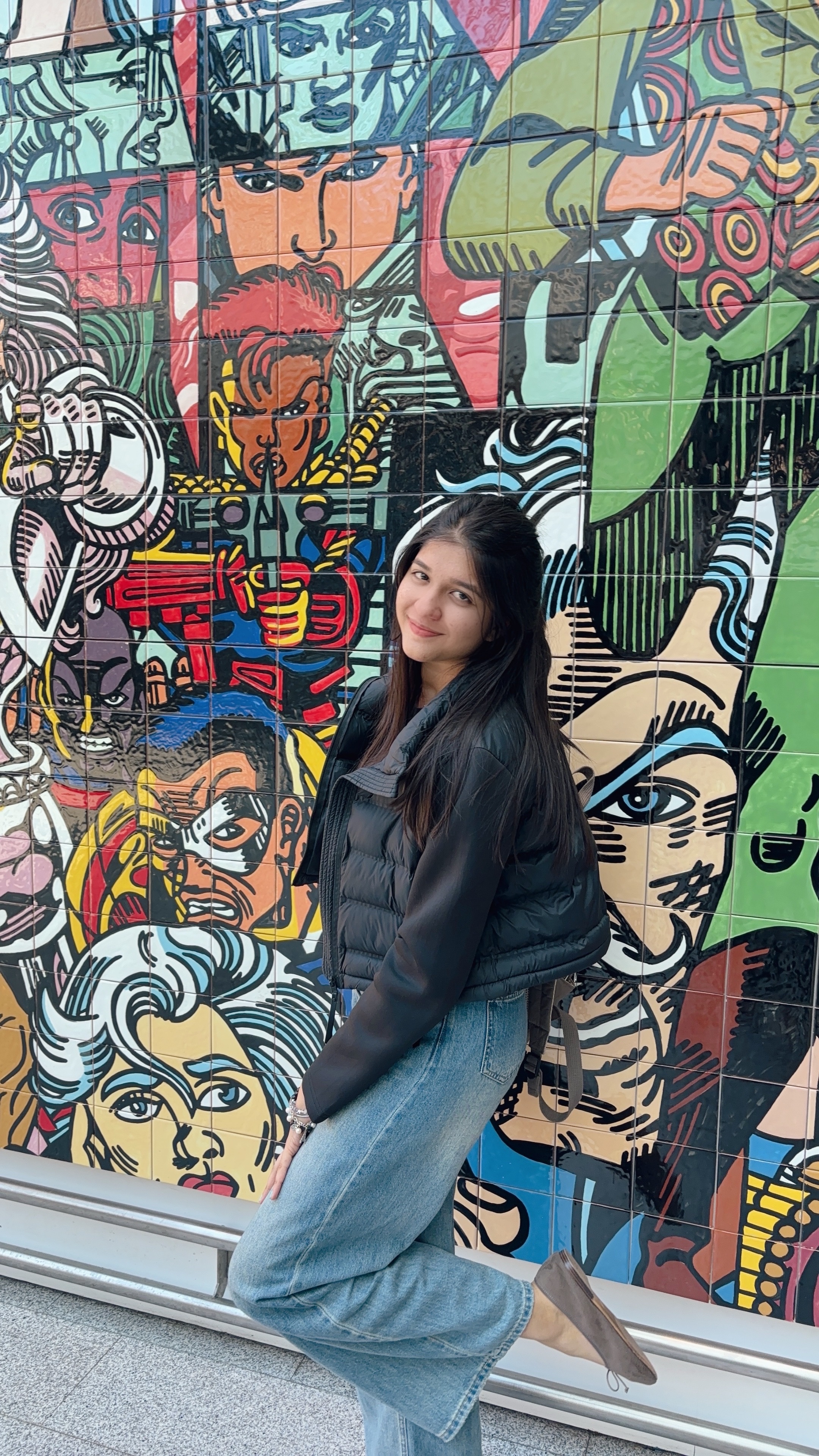
Our first destination: Selfoss, a charming little town in southwest Iceland. The drive took us around 1 hour 20 minutes, with beautiful countryside views all along the way.
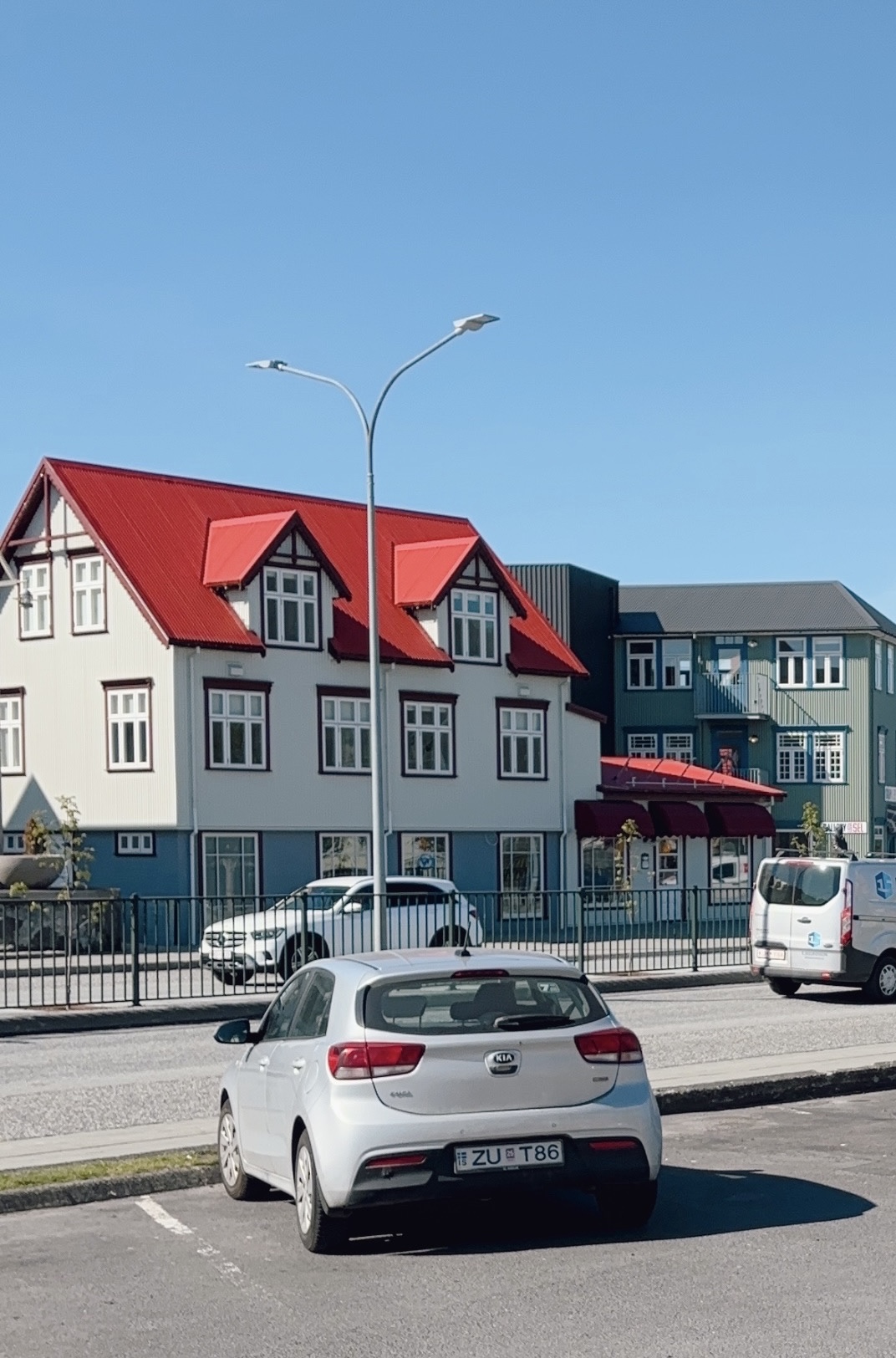
Once we reached Selfoss, we checked in, dropped our bags, and headed out for a stroll. The best part? It was still bright out even late into the evening – summer in Iceland means the sun barely sets. It’s like the day stretches forever, and you get more time to explore.
📍 Overnight stop: Selfoss
🗓️ Day 2: Golden Circle → Vík
Woke up in Selfoss and kicked off our day with a drive through the famous Golden Circle. This route includes three super popular and absolutely must-visit spots in Iceland:
- Þingvellir National Park – Also called (Thingvellir) National Park, a place that’s as historically significant as it is geologically mind-blowing. It’s here that you can literally walk between two continents — North America and Eurasia. The park lies right in the rift valley created by the separation of the North American and Eurasian tectonic plates, which are slowly drifting apart at about 2.5 cm per year.
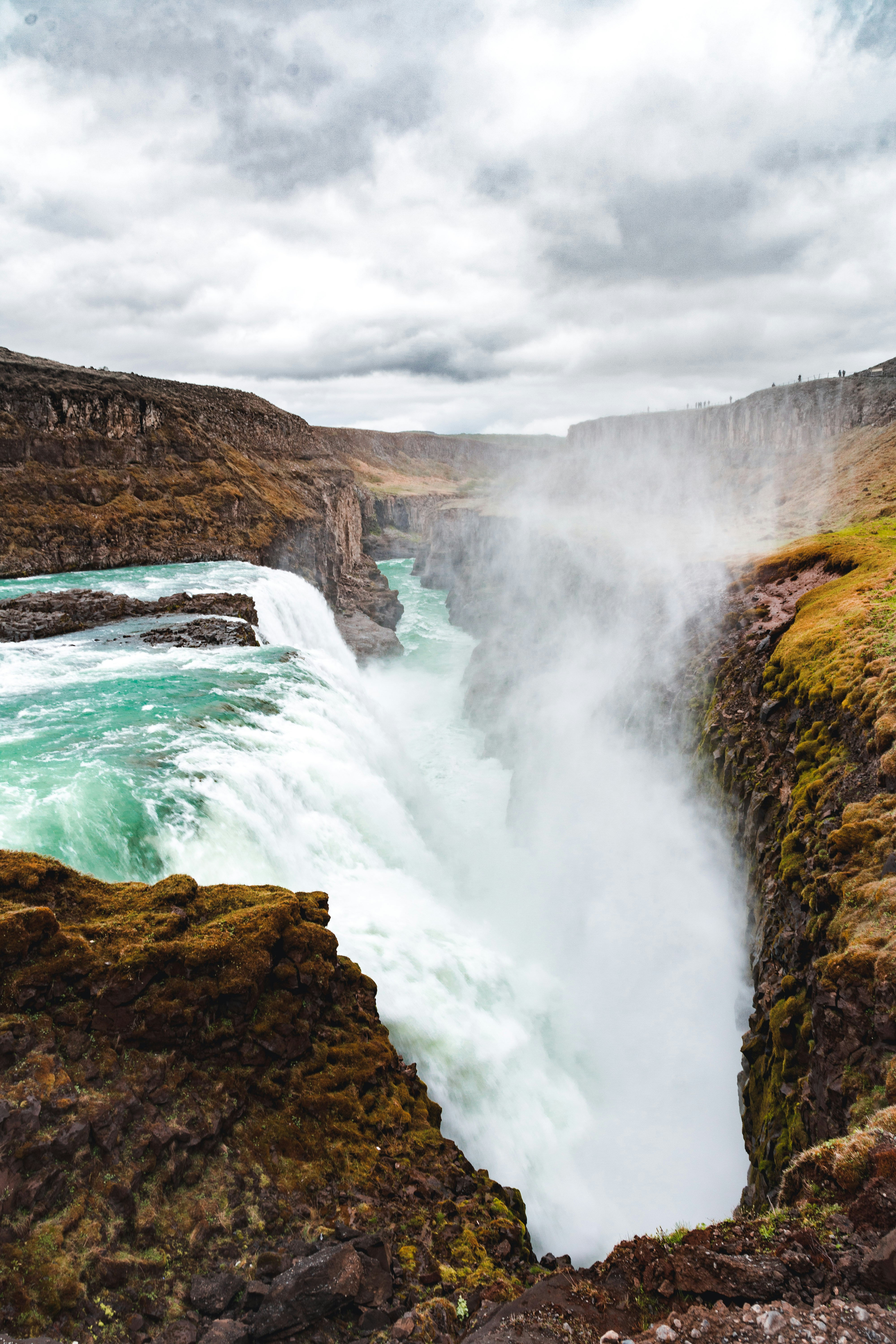
- Gullfoss Waterfall – Our first of the many waterfalls of Iceland. It is massive, thundering, and completely dramatic.
- Geysir Geothermal Area – where boiling water shoots up from the ground every 7 minutes. Not once, but twice. Nature showing off like a boss. Honestly, it’s my favourite part of entire Iceland. I couldn’t stop watching this entertaining display of nature.


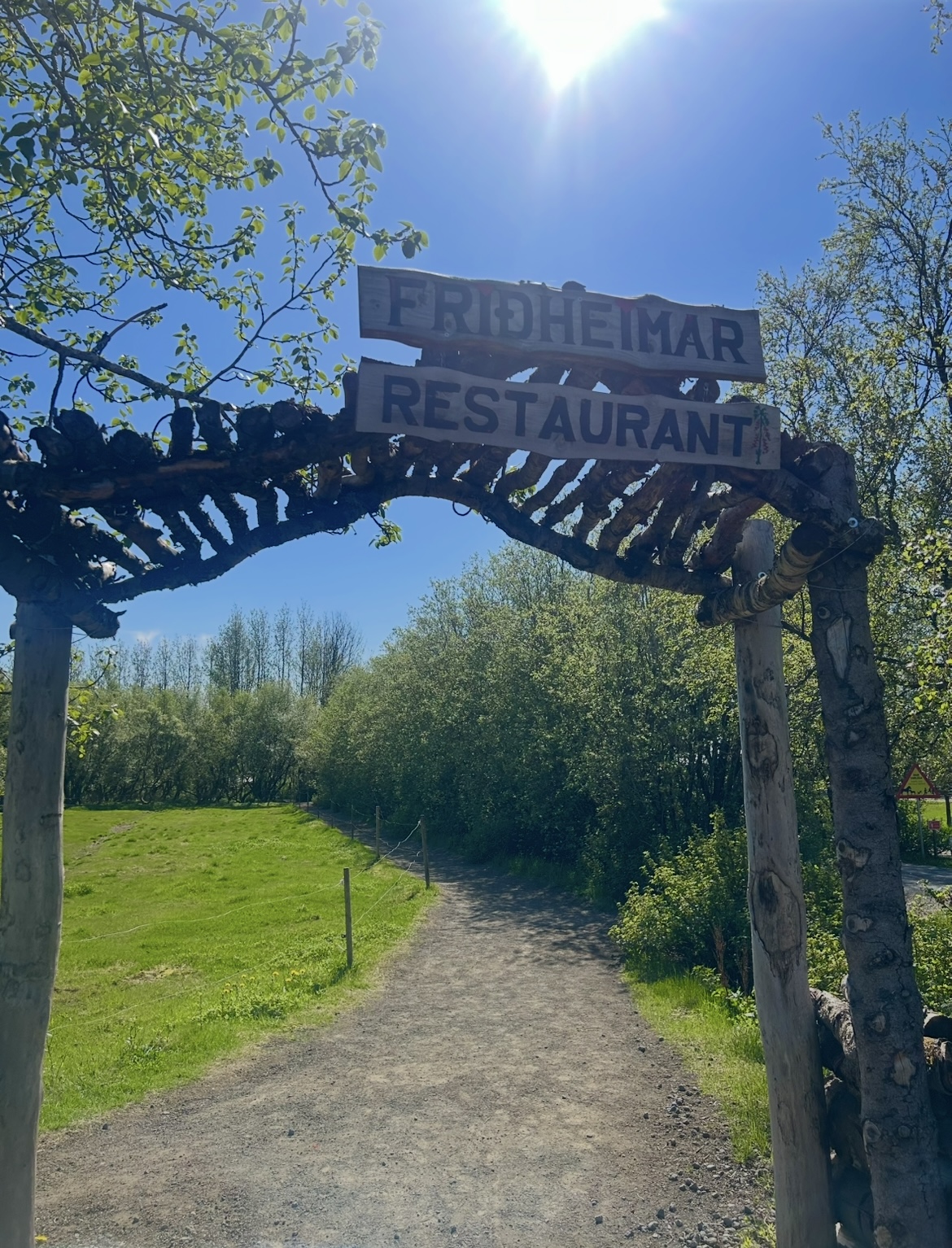
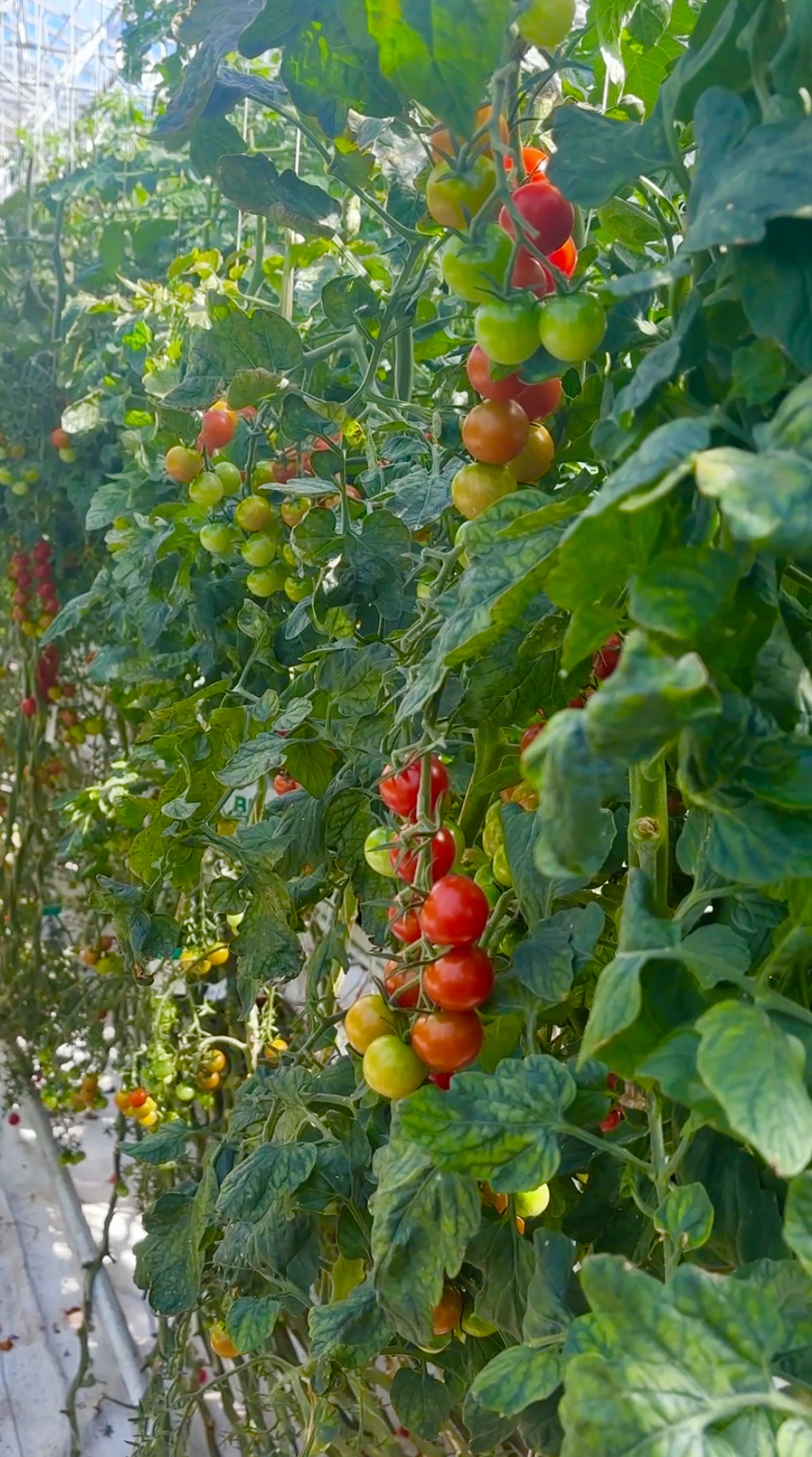
We also stopped at Friðheimar Tomato Farm for lunch. Now, eating tomato soup inside a greenhouse full of tomato plants is definitely a cool idea—and it’s quite famous. But I’ll be brutally honest (not a paid blogger and never will be): it felt overhyped. Almost all the big bus tours stop here, and each of them brings at least 50 people, so the place stays packed. It felt like they were working really hard to make it look like a must-visit spot.
The soup? It was alright. Nothing mind-blowing. And honestly, looking at the crowd, I seriously doubt all those tomatoes were grown right there in the greenhouse. They must be sourcing them from elsewhere too—because there’s no way that little farm is producing enough to keep up with the number of bowls being served every hour.
If you suffer from FOMO, I’d suggest booking a table in advance and spending about an hour there. Just manage your expectations—it’s a quick pit stop, not a life-changing meal.
After wrapping up the Golden Circle, we continued our drive towards Vík, our stop for the night. The drive itself was stunning—lush green hills, waterfalls casually spilling off cliffs, and those fluffy Icelandic horses just hanging out by the roadside like they own the place. We reached Vík in the evening, checked into our hotel, and called it a day.
📍 Overnight: Vík
🗓️ Day 3: Exploring Iceland’s South Coast
If I had to pinpoint the best day of our 12-day itinerary, this would be it. The South Coast is hands down the most beautiful part of Iceland.
We started early and spent the entire day exploring some of the most iconic stops—each one more breathtaking than the last.
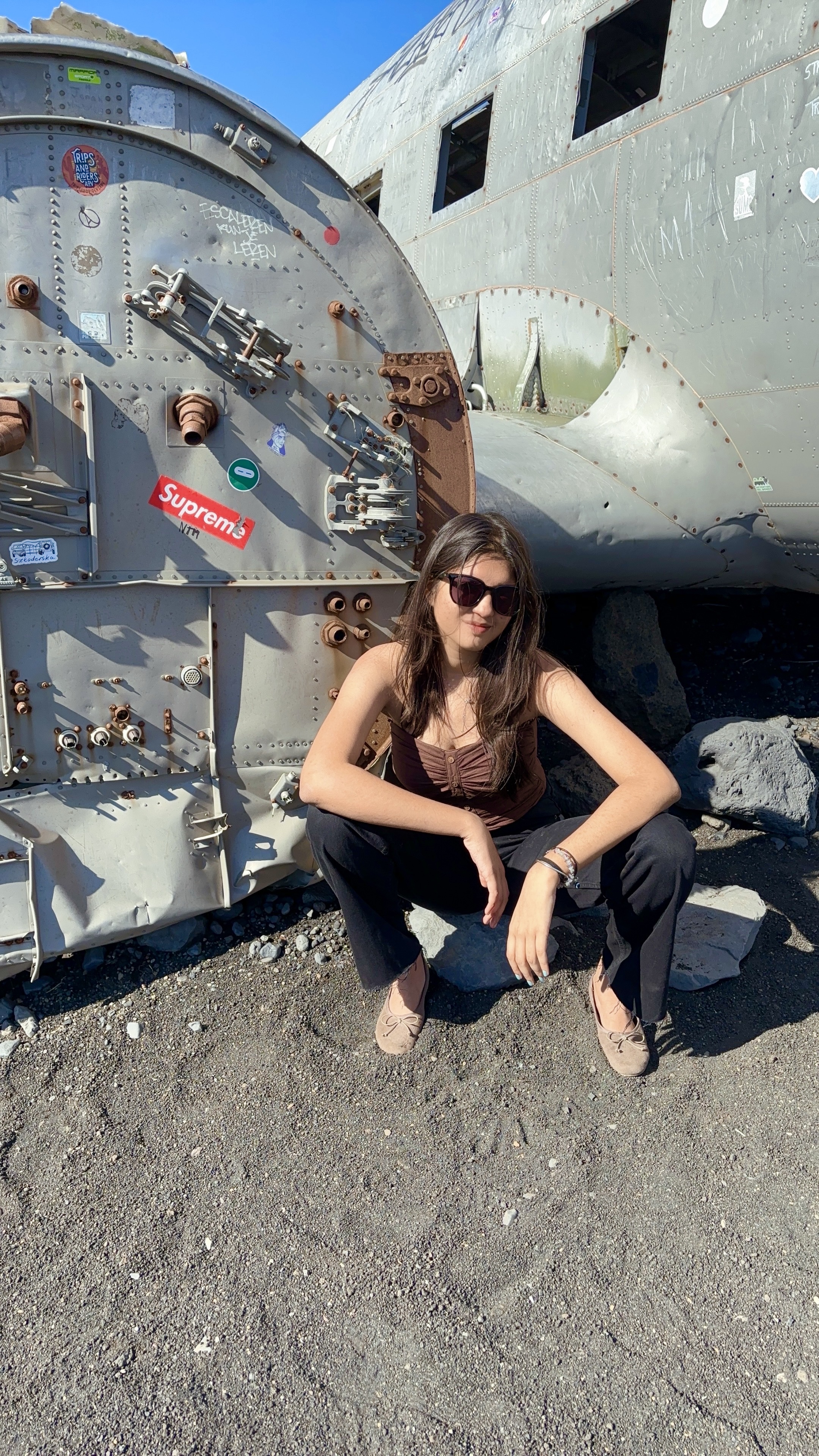
Our first stop was Reynisfjara Black Sand Beach, and wow—it really lives up to the hype. Jet-black sand, dramatic basalt columns, and fierce waves crashing in from the Atlantic. It honestly felt like stepping into a fantasy movie. Just a heads-up: do not mess with the waves here. They’re called “sneaker waves” for a reason—stay back and don’t turn your back on the ocean.
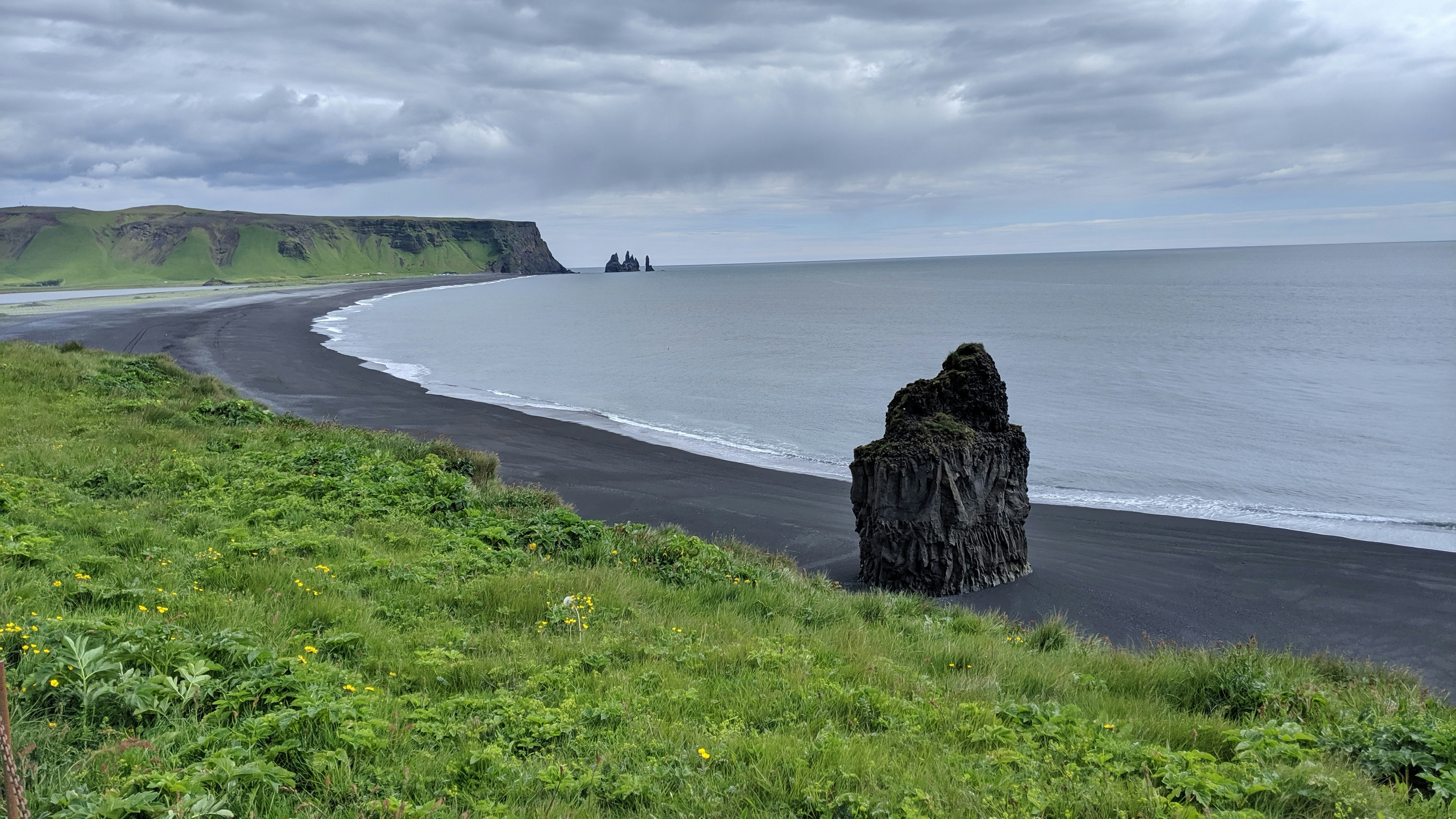
Next up was Dyrhólaey. We got there a little before 9 AM, only to find the gate was still closed (opens at 9), so we waited. This massive rock arch juts out into the sea and offers insane panoramic views—endless black beaches and towering cliffs. It’s also known for puffin sightings in summer. Unfortunately, we weren’t carrying binoculars and didn’t spot a single puffin. Even those around us with binoculars weren’t sure if what they saw were puffins or just hopeful guesses 😉
If puffins are high on your list, I strongly suggest taking a dedicated puffin tour. They know exactly where and when to find them. One great option is the Westman Islands, reachable by a short ferry ride from Vík.
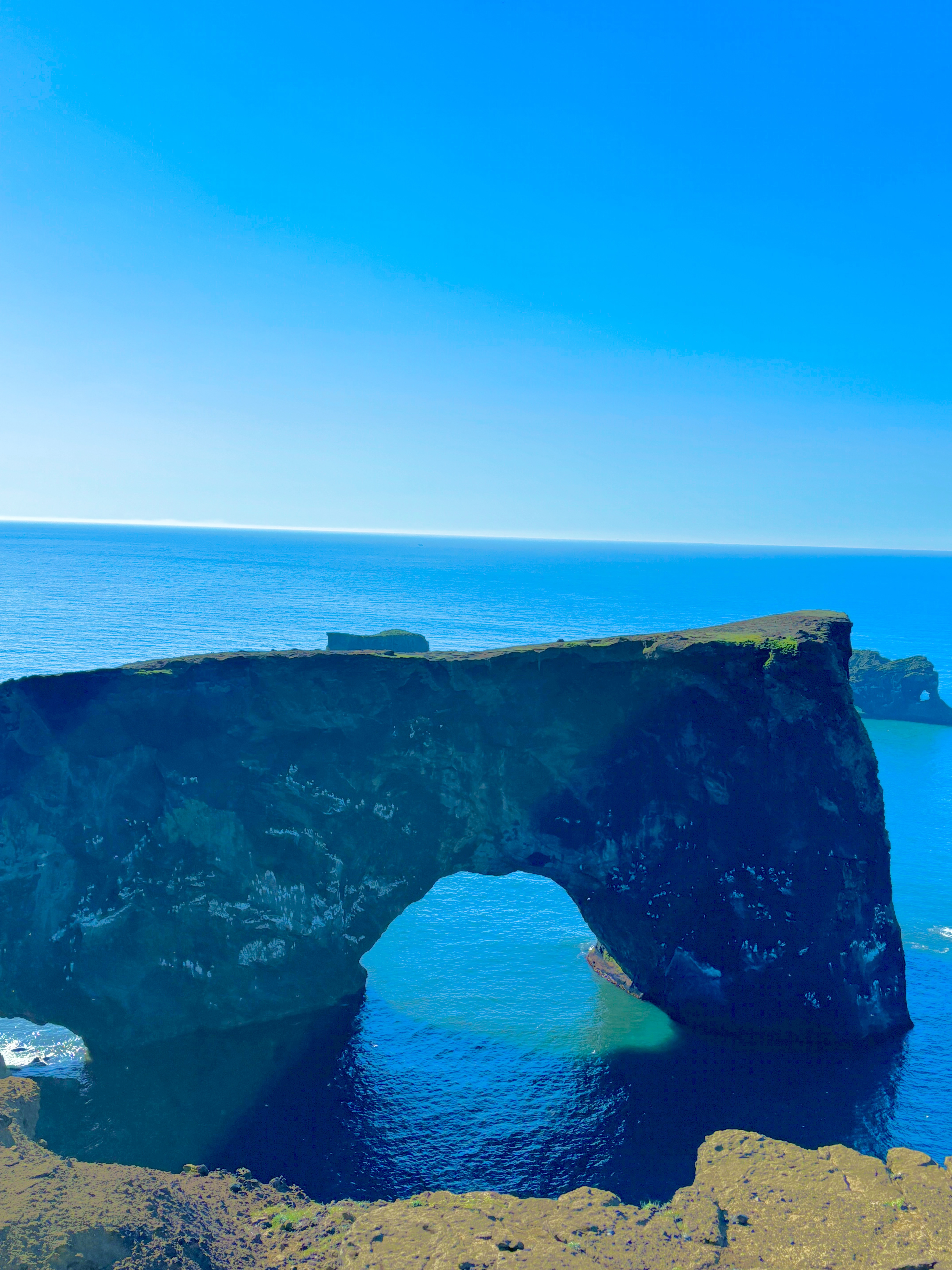
After Dyrhólaey, we went to the popular Sólheimasandur plane wreck. Instead of walking the long, flat trail like many do, we took the shuttle bus that runs between the parking area and the site — a much easier option, especially in unpredictable weather. It can be booked online in advance, or even on the spot if there are seats available. In our case, the entire bus was almost empty, adding to the eeriness of the destination.
The wreck itself — a US Navy DC-3 plane that crash-landed here in 1973 — sits hauntingly alone on a vast stretch of black volcanic sand. No one died in the crash, but the skeletal remains of the aircraft have become one of Iceland’s most surreal sights. It felt like stepping into a sci-fi film set — abandoned, quiet, and strangely beautiful.

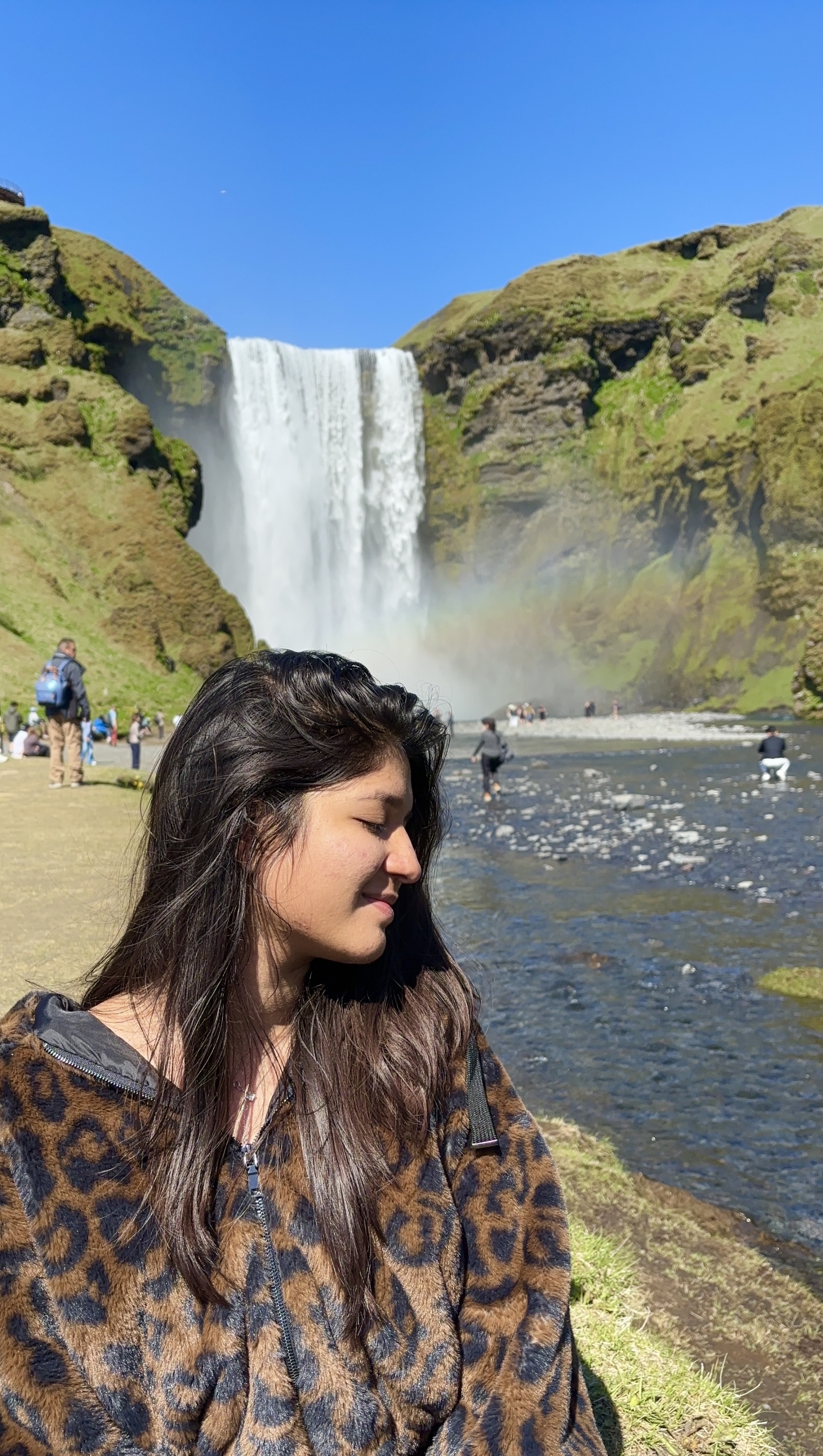
After this it was time for some epic waterfalls—because no day in Iceland is complete without them. We visited Skógafoss, a massive, thundering waterfall you can walk right up to. There’s a staircase to the top if you’re feeling adventurous, but we gave it a miss and still felt awed by the sheer power and volume of the falls. There’s a peaceful stream flowing away from the base where you can sit, breathe, and just take it all in.

Last on the list—and my favourite moment of the entire trip—was Seljalandsfoss, the waterfall you can actually walk behind. Trust me, bring a poncho or grab one there—you will get wet. But it’s so worth it. The moment you step behind that curtain of water and look out at the Icelandic countryside is just surreal. But remember—go behind. That’s where the real magic is.
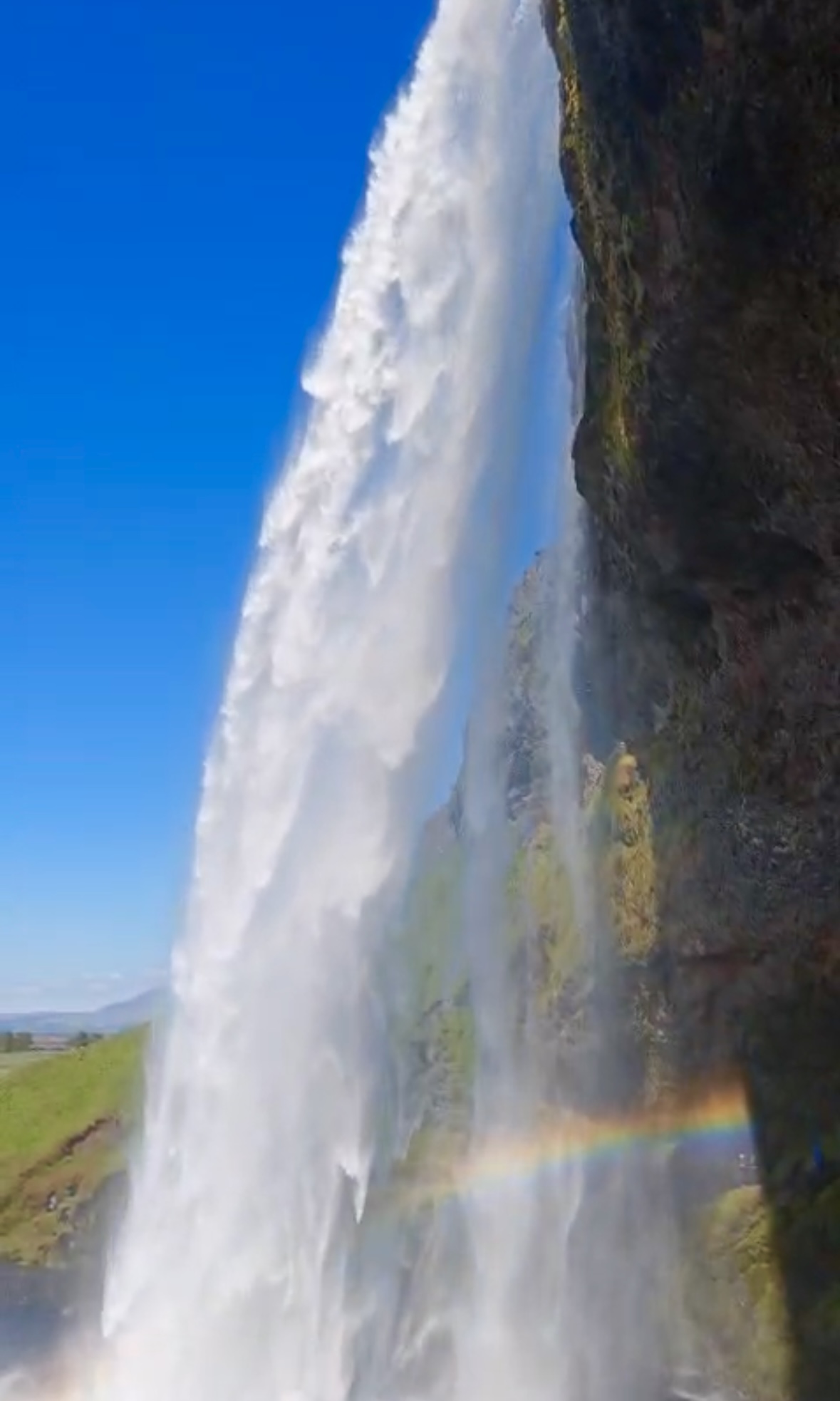
After a full day of wind, waterfalls, and wide eyes, we headed back to Vík for another cozy night.
📍 Overnight: Vík
🗓️ Day 4: Glaciers & Icebergs
Route: Vík → Fjallsárlón/Jökulsárlón Glacier Lagoon → Diamond Beach → Höfn
We left Vík and drove east toward one of the most magical stretches of the Ring Road—where glaciers, icebergs, and black sand beaches all come together like something straight out of a dream.
Our first stop was Fjallsárlón Glacier Lagoon, which felt smaller and the water appeared muddy due to sediments and volcanic ash. There’s a reason its neighbour Jökulsárlón is more popular. That said, Fjallsárlón was quieter, less crowded, and gave us a much closer view of the glacier tongue meeting the lagoon. We had no complaints—it was peaceful, stunning, and it was our first time seeing glacier calving!
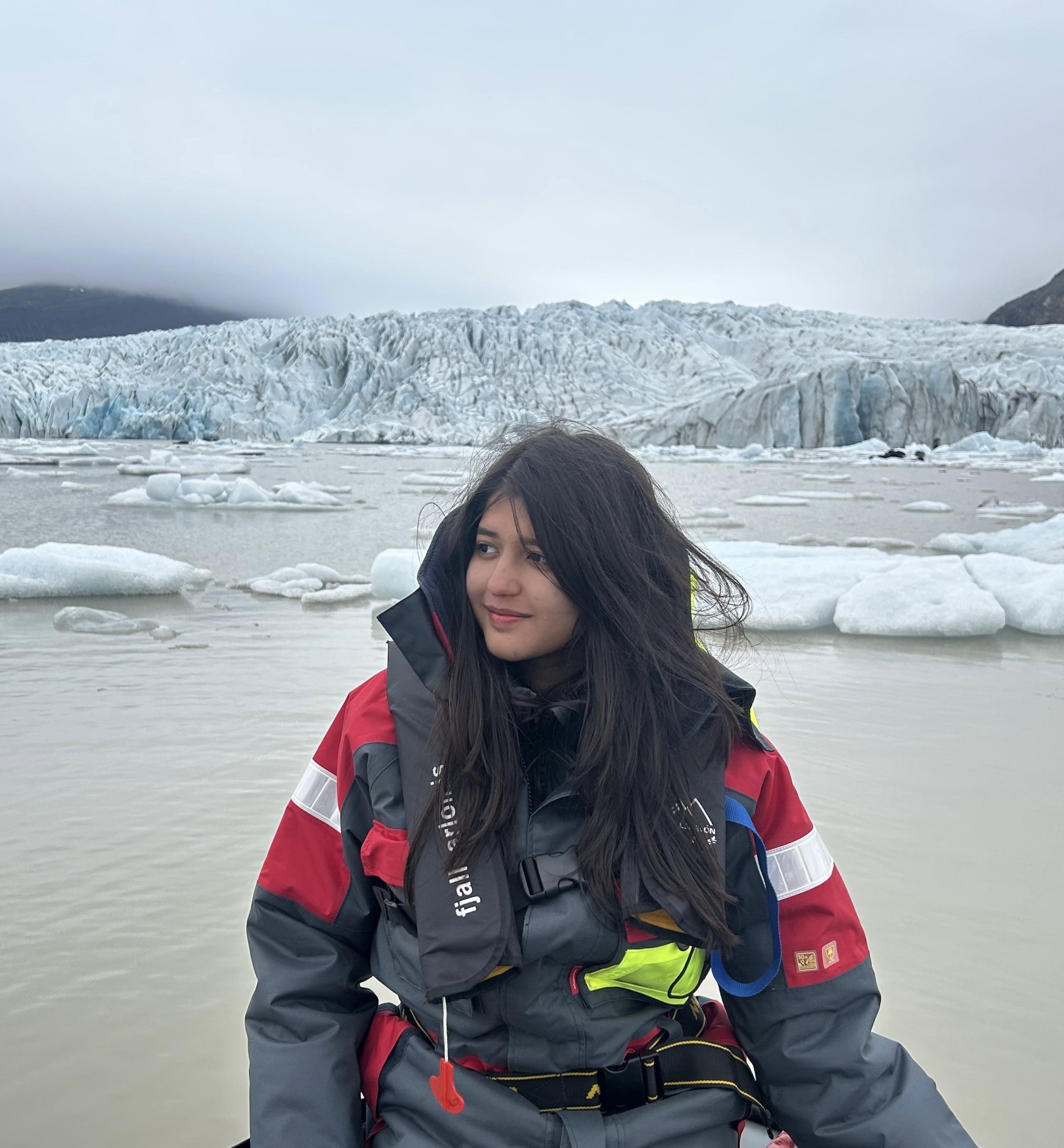
Quick tip: Icebergs may look harmless, but don’t touch them—they can be sharp and dangerous. And if your boat ever nudges into an iceberg (which ours did), don’t try to be a hero by pushing it off. You might get your hand caught between the boat and the ice. Just stay calm, don’t move too much, and take in the beauty while listening to the guide’s stories. Ours was Giuseppe from Argentina—funny, warm, and full of interesting trivia about the ice and the lagoon.

We saw white, blue, and black ice:
- White ice has air bubbles trapped inside,
- Blue ice is the purest and densest,
- Black ice gets its colour from volcanic ash.
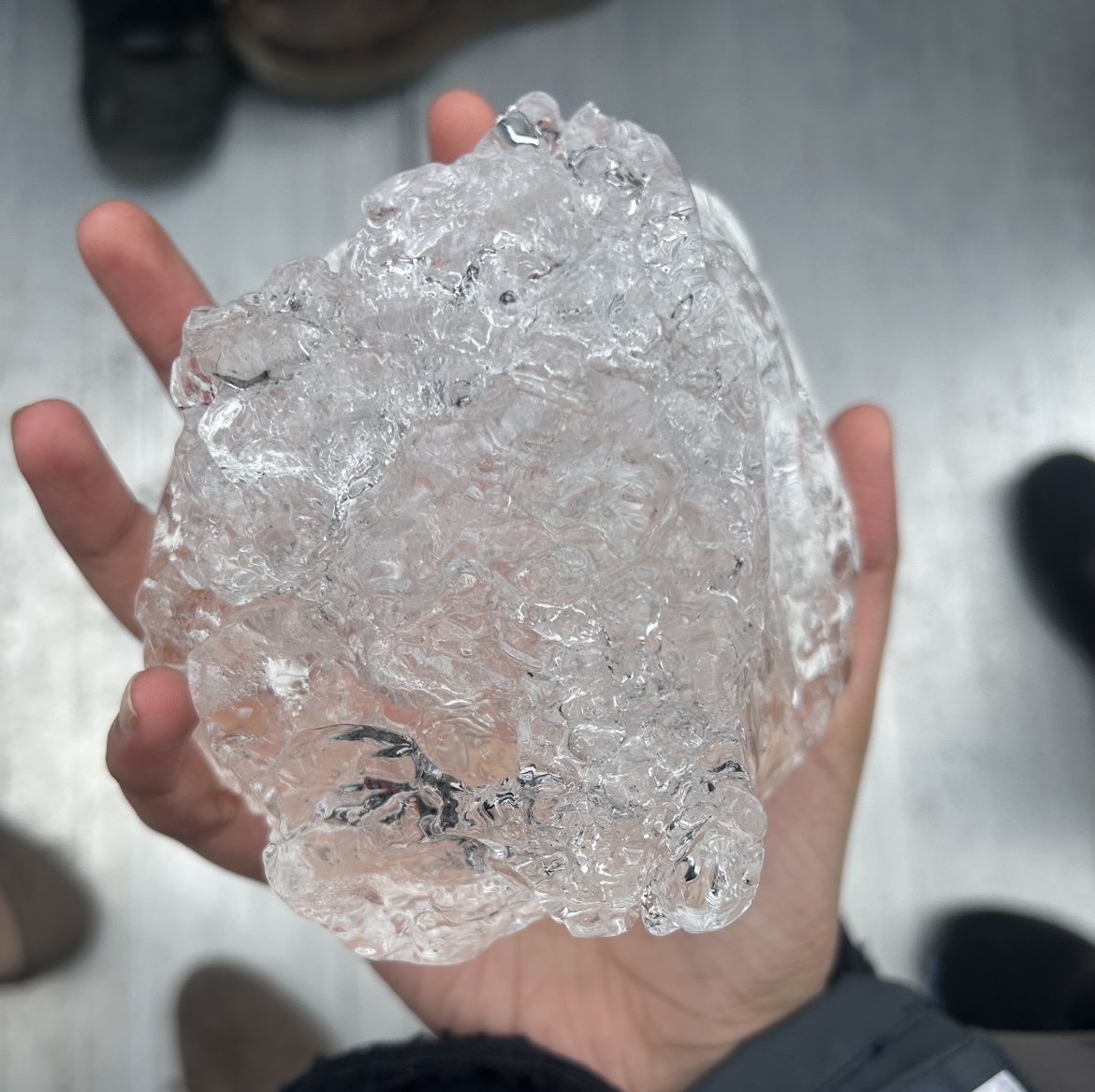
Then came the showstopper—Jökulsárlón Glacier Lagoon. This is where massive chunks of ice break off from the glacier and float like slow-moving crystal sculptures. We skipped the boat tour here and just stood by the shore, watching the icebergs drift by in surreal shades of blue. It felt like nature had turned on a filter just for us.
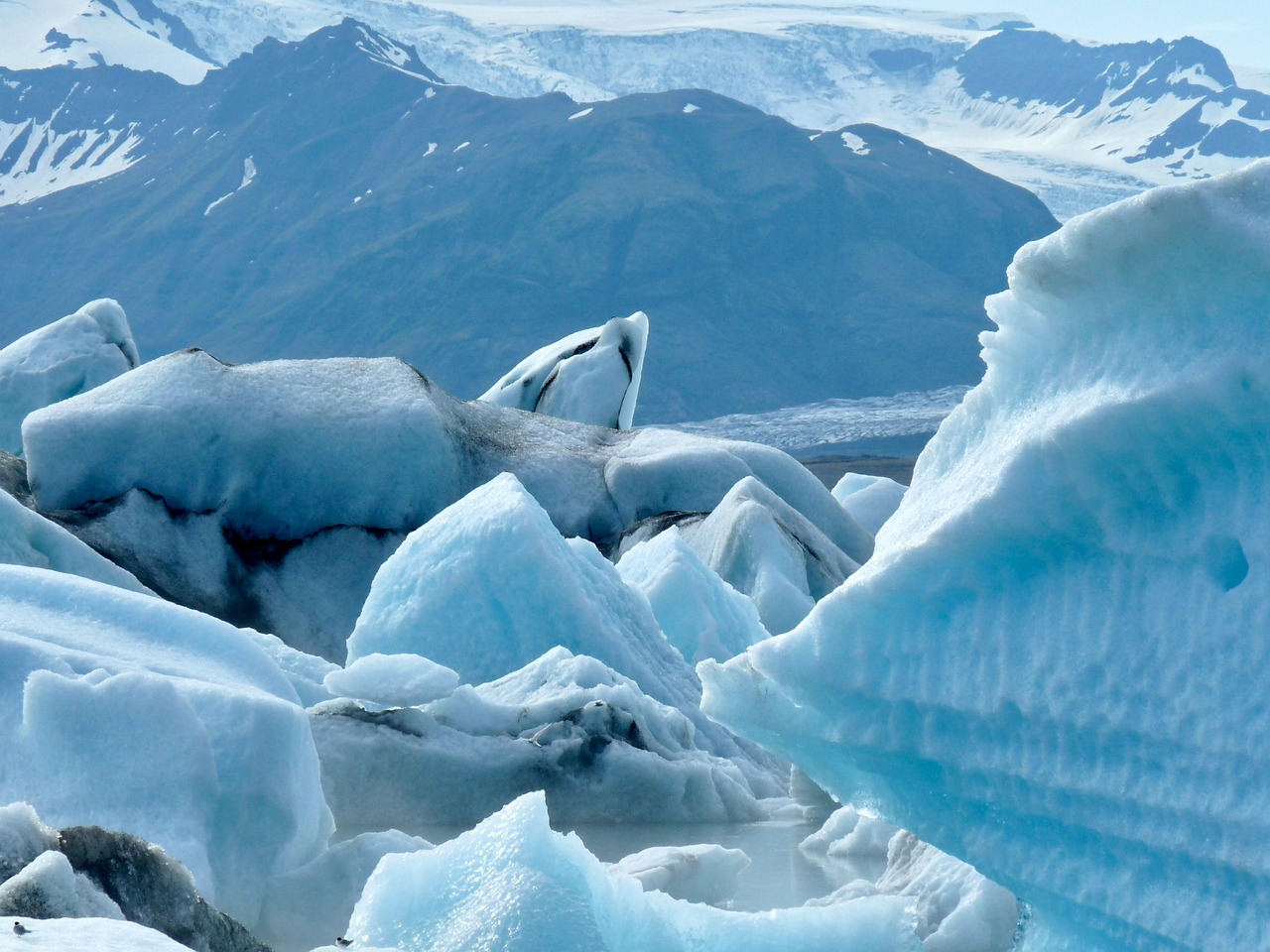
Whether you choose Fjallsárlón or Jökulsárlón, it’s best to book in advance. Not only does that lock in a good rate, but it also ensures you get a spot. In our case, we had to make several changes because of a last-minute shift in plans, but Fjallsárlón handled it very smoothly—they let us reschedule without any hassle. I can’t say for sure if Jökulsárlónwould’ve been that flexible since it’s usually busier.
Right across the road is the dreamy Diamond Beach, where those very icebergs get washed up on black sand, sparkling like actual diamonds. Bright chunks of ice against pitch-black sand, with crashing waves in the background—it’s wild, dramatic, and absolutely unforgettable.
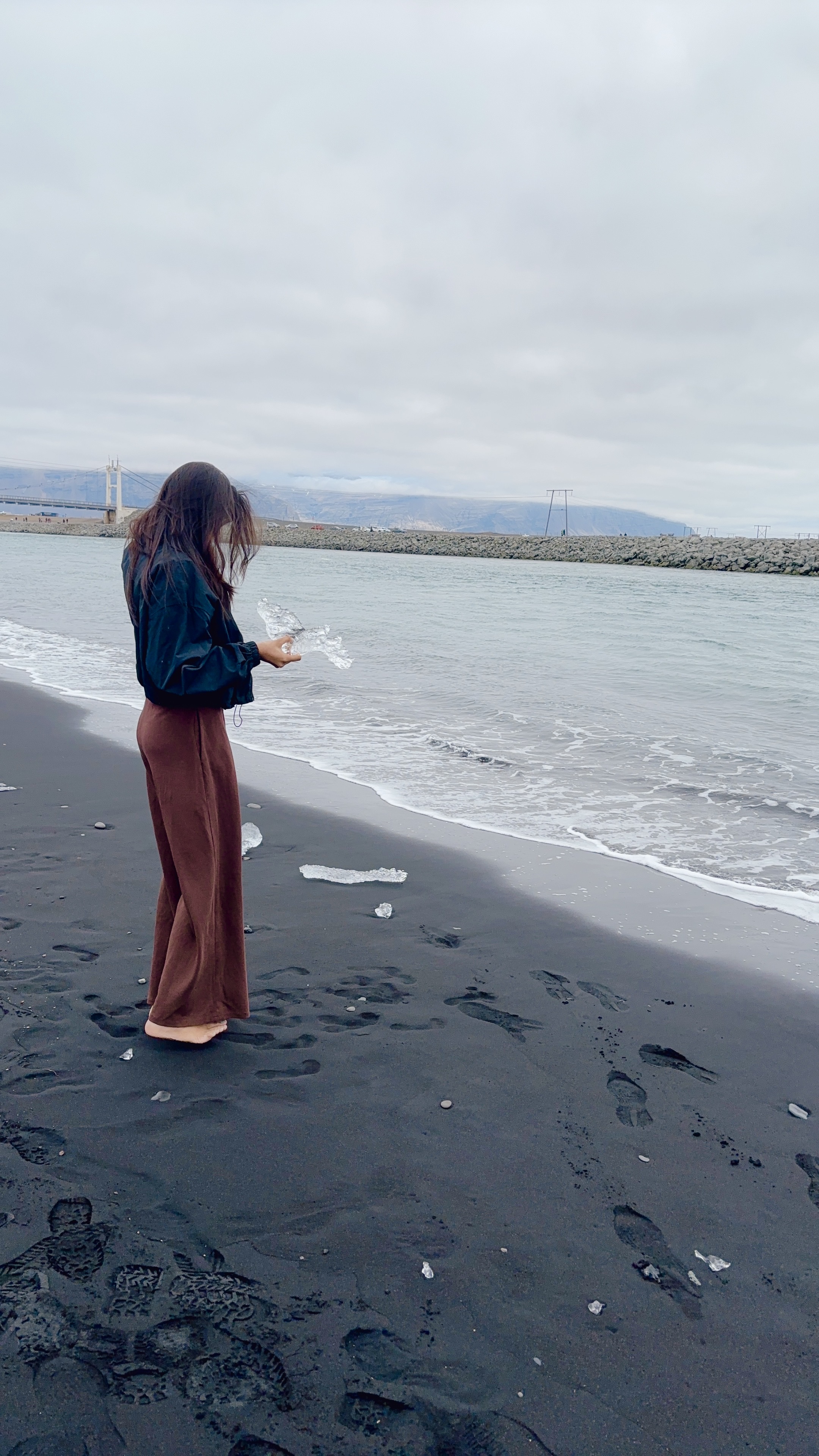
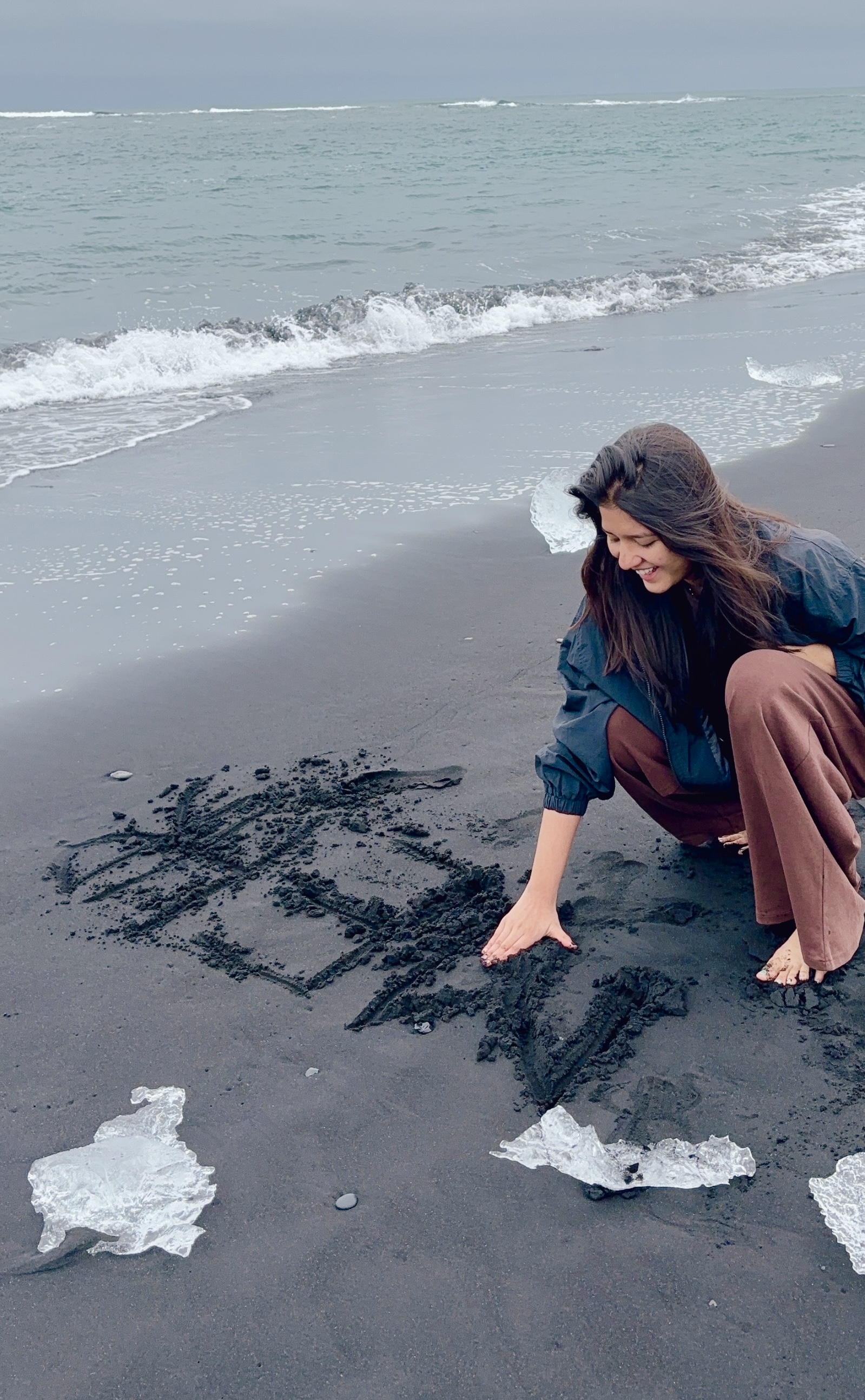
After soaking in all that icy magic, we continued driving toward Höfn, a peaceful seaside town known for its lobster and postcard-worthy views. We reached by evening and called it a night, still awestruck by everything we’d seen.
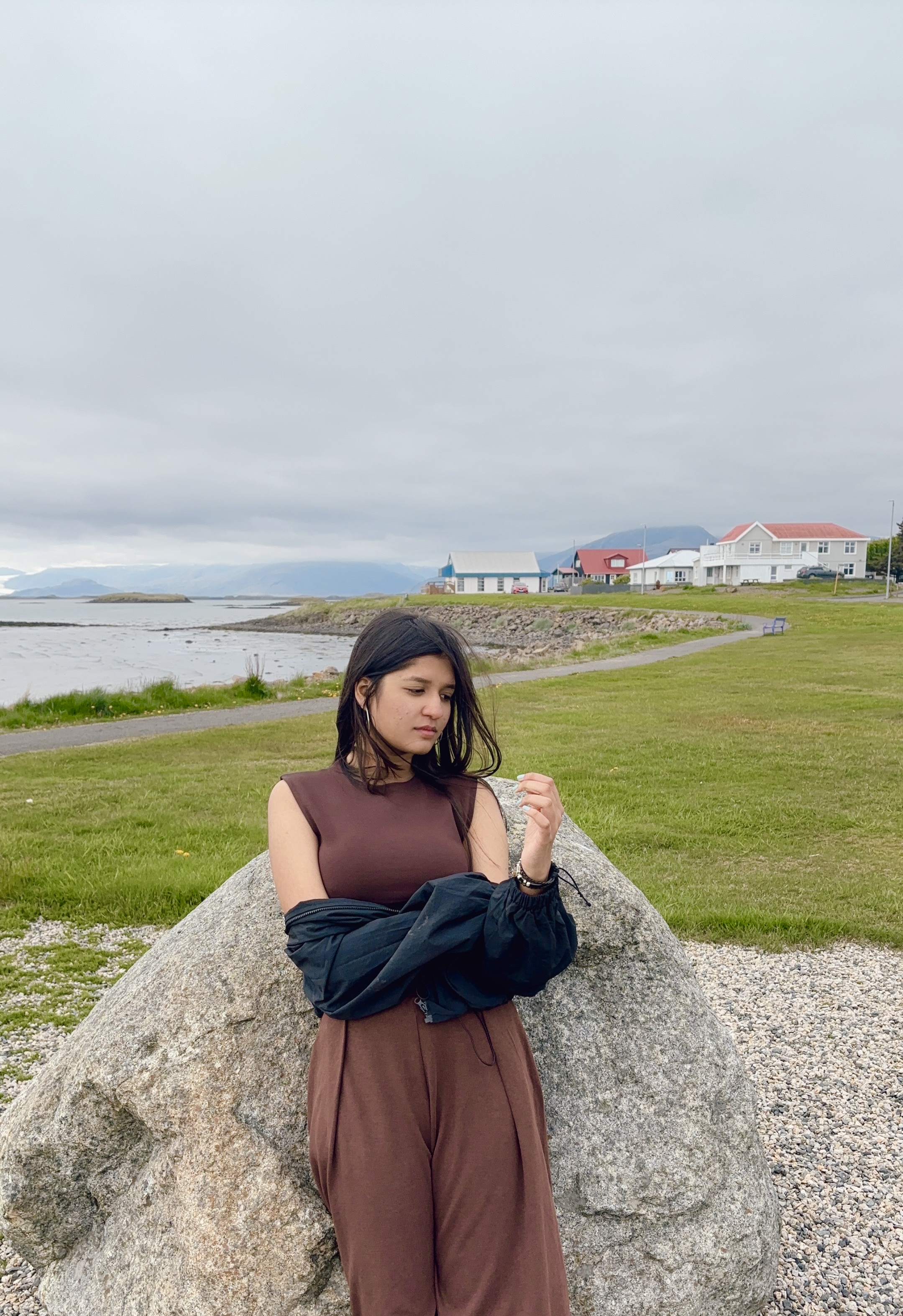
📍 Overnight: Höfn
🗓️ Day 5: East Fjords Drive
Route: Höfn → Vestrahorn & Stokksnes Beach → Seyðisfjörður → Egilsstaðir
We left Höfn early and began our journey into the quieter, less touristy side of Iceland—the East Fjords. This stretch feels untouched, wild, and calm, with dramatic coastlines, sleepy little villages, and winding roads hugging both sea and mountain.
Our first stop was Vestrahorn Mountain and Stokksnes Beach. Vestrahorn is one of those places that looks too cinematic to be real—sharp, moody peaks rising straight out of flat black sands. Absolutely photogenic from every possible angle.
The beach was equally stunning. Stark black sand dunes, icy winds, and sometimes, if you’re lucky, you’ll spot Icelandic horses roaming freely. There’s a small entrance fee (since it’s private land), but once you step onto that beach, you’ll know it was worth every króna.
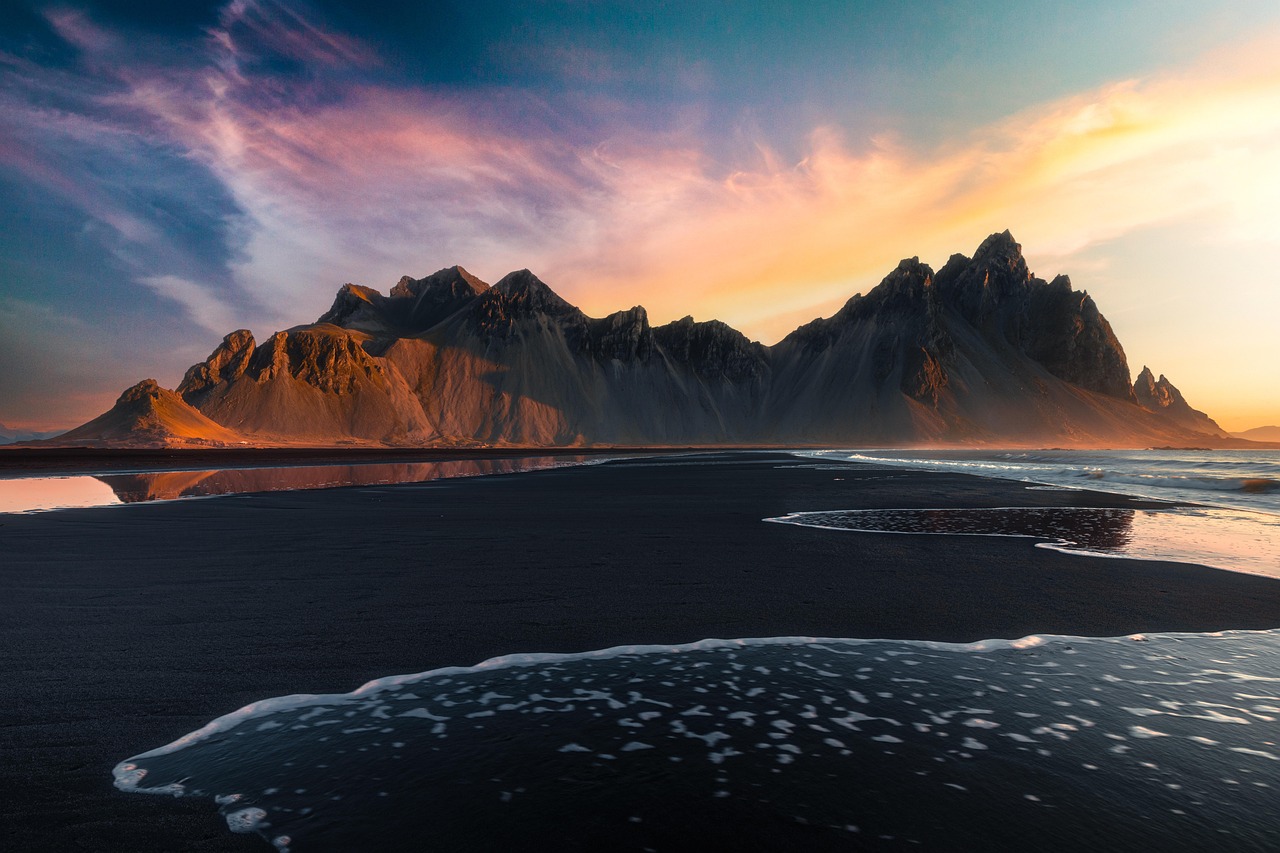
From there, we drove deeper into the fjords—those beautiful, winding coastal roads with towering cliffs on one side and the North Atlantic on the other. There were barely any cars on the road, and at every turn, the view felt like it had been painted just for us.
Then came the biggest surprise of the day: Seyðisfjörður. Honestly, we were pretty tired and in two minds about it. From Egilsstaðir, it’s a bit of a detour, and we almost skipped it—even though we’d heard great things. But we pushed ourselves, and thank god we did.
To get there, you drive over a mountain pass (which still had snow even in May), and then suddenly the road drops down into this tiny, dreamy town tucked between fjords. Colourful wooden houses, a peaceful little harbour, and that iconic rainbow path leading to the blue church—it looked like Iceland had briefly turned into a fairytale.
We had coffee by the water, strolled around slowly, and just let ourselves soak in the stillness. And here’s something wild: Seyðisfjörður is almost unreachable in deep winter—the mountain pass gets completely snowed in, and the only way to reach it then is by ship!
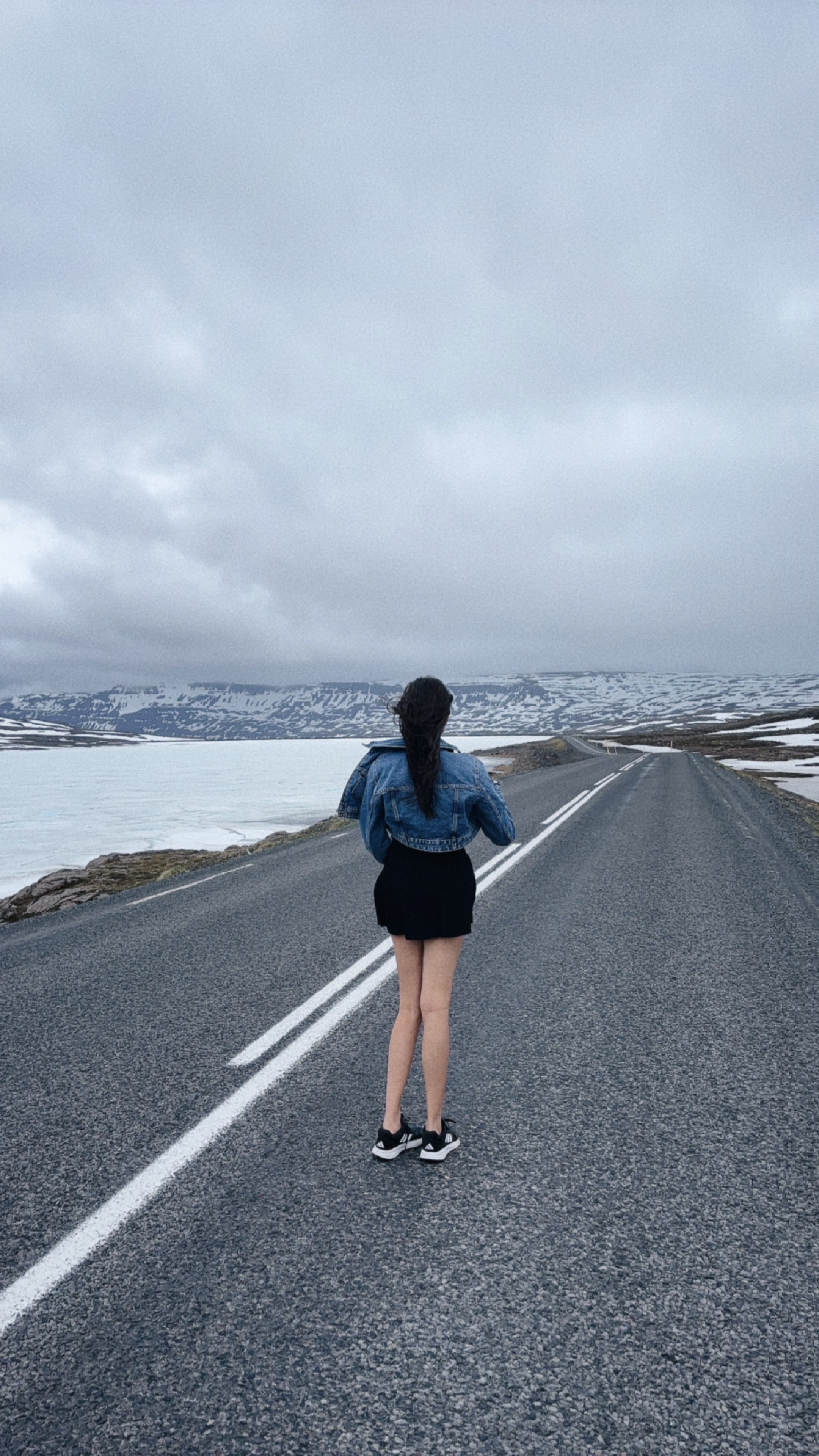
Everyone talks about Iceland in winter because of the Northern Lights, and sure, they’re magical. But visiting Iceland in summer has its own charm—endless daylight, accessible roads, and the kind of raw, untouched beauty that feels alive in a very different way. You get to see places like Seyðisfjörður in full bloom, with vibrant houses, thawed fjords, and quiet streets that don’t feel deserted—just peacefully slow.
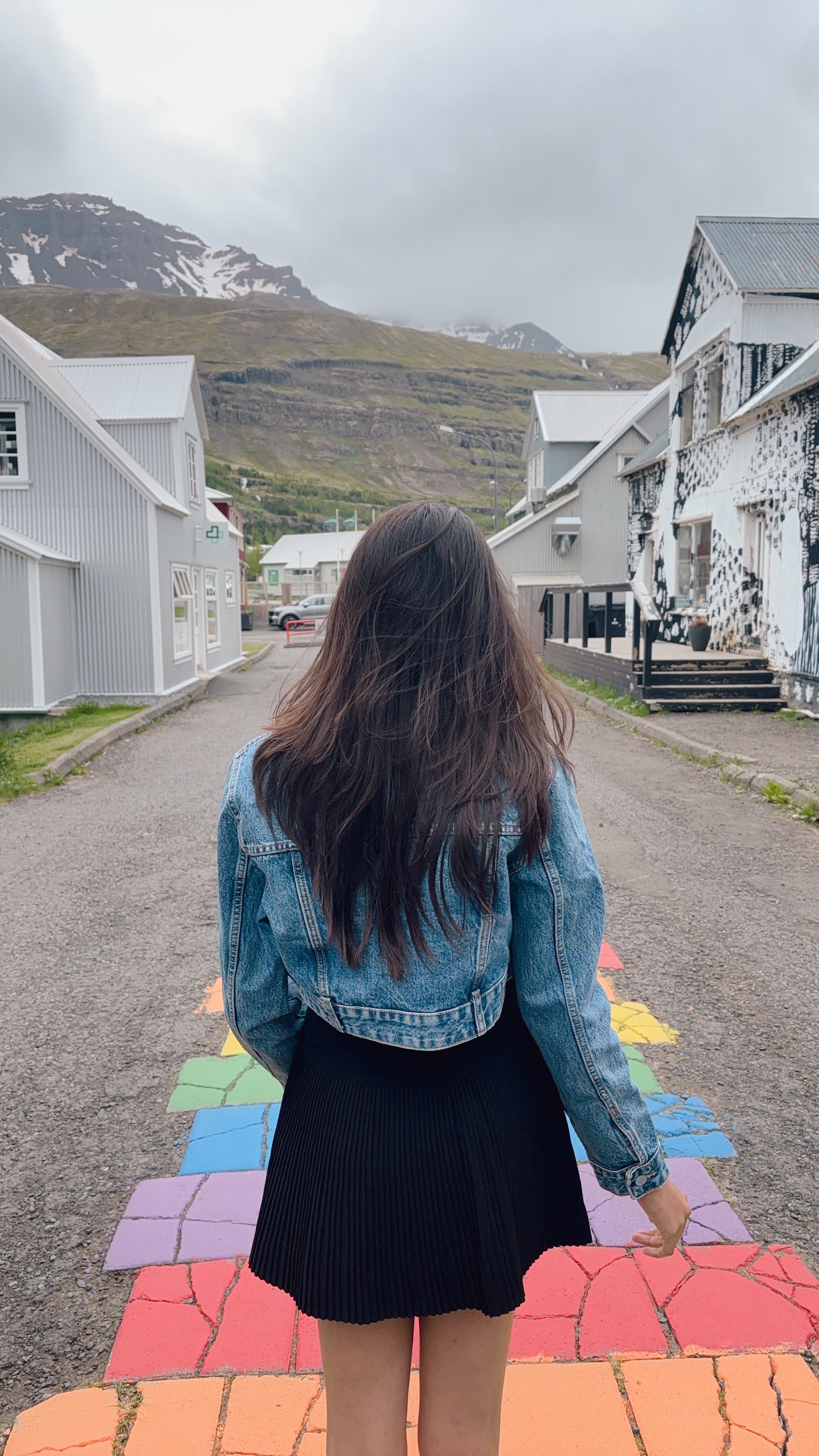
After that sweet little detour, we headed back to Egilsstaðir, a practical overnight stop before heading north. We reached by evening, tired but grateful, still thinking about how peaceful and different the Eastfjords felt after the busy south.
📍 Overnight: Egilsstaðir
🗓️ Day 6: Drive to Mývatn & a Hot Spring Wind Down
Route: Egilsstaðir → Lake Mývatn
This day was slower, and honestly, much needed. We left Egilsstaðir in the morning and drove toward Lake Mývatn—a region famous for volcanic landscapes, geothermal wonders, and weirdly pretty, bug-filled lakes (don’t worry, the bugs don’t bite, they just vibe). Fun fact: Mývatn actually means “midge lake” in Icelandic, named after these little bugs.
The drive was easy and scenic, with wide-open views and almost no traffic. As we got closer to Mývatn, we drove along the lake itself, which was absolutely stunning—definitely one of the most beautiful drives of the trip.
After all the driving and exploring of the last few days, we decided to just settle in and take it easy.
In the evening, we visited the Mývatn Nature Baths, the North’s answer to the Blue Lagoon but with way fewer crowds and a more peaceful vibe. The water was warm, milky blue, and surrounded by volcanic hills and open skies. We soaked, floated, and just watched steam rise against the chill in the air. No rushing, no clicking—just being. There was some construction going on during our visit, but it should be finished by the time you go. Bonus: we got a 10% discount by booking through our hotel, Mývatn Berjaya.
I’ll write a separate post about the hotels we stayed at—highlighting the good and the not-so-good ones—when time permits. Right now, I need to focus on finishing my physics practical before school starts next week.
📍 Overnight: Mývatn
🗓️ Day 7: Exploring North Iceland’s Natural Wonders
Route: Around Mývatn
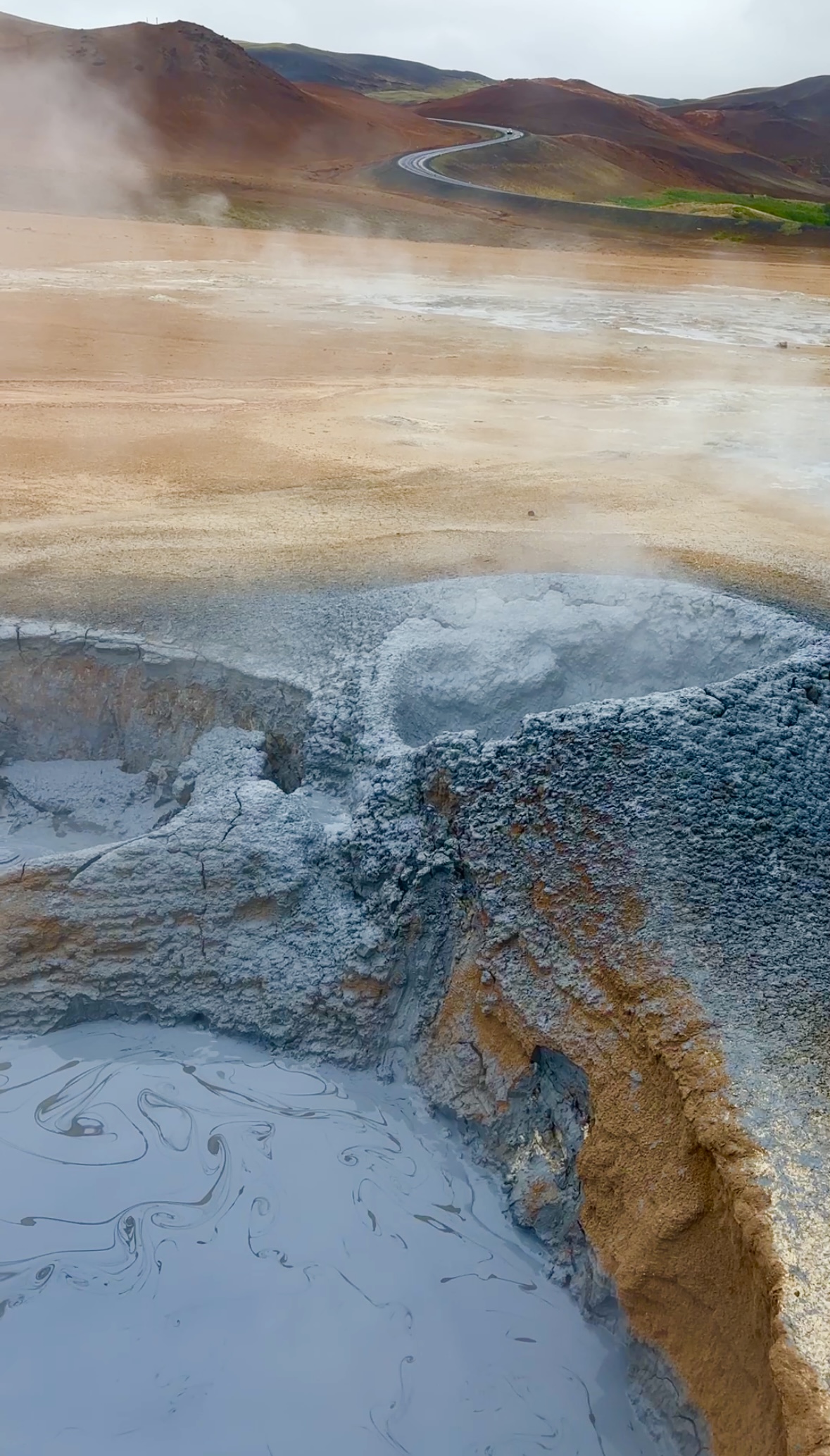
Day 7 was all about diving deeper into North Iceland’s incredible landscapes. We started at Hverir Geothermal Area, where the earth bubbles and steams through a surreal stretch of mud pots and fumaroles. The whole landscape felt like something out of Star Trek. The smell of sulfur is strong, so prepare your nose—but the colors, textures, and eerie sounds more than make up for it. Entry is free, though there’s a small fee for parking. Stay on the marked paths—it’s a fragile and active geothermal zone.
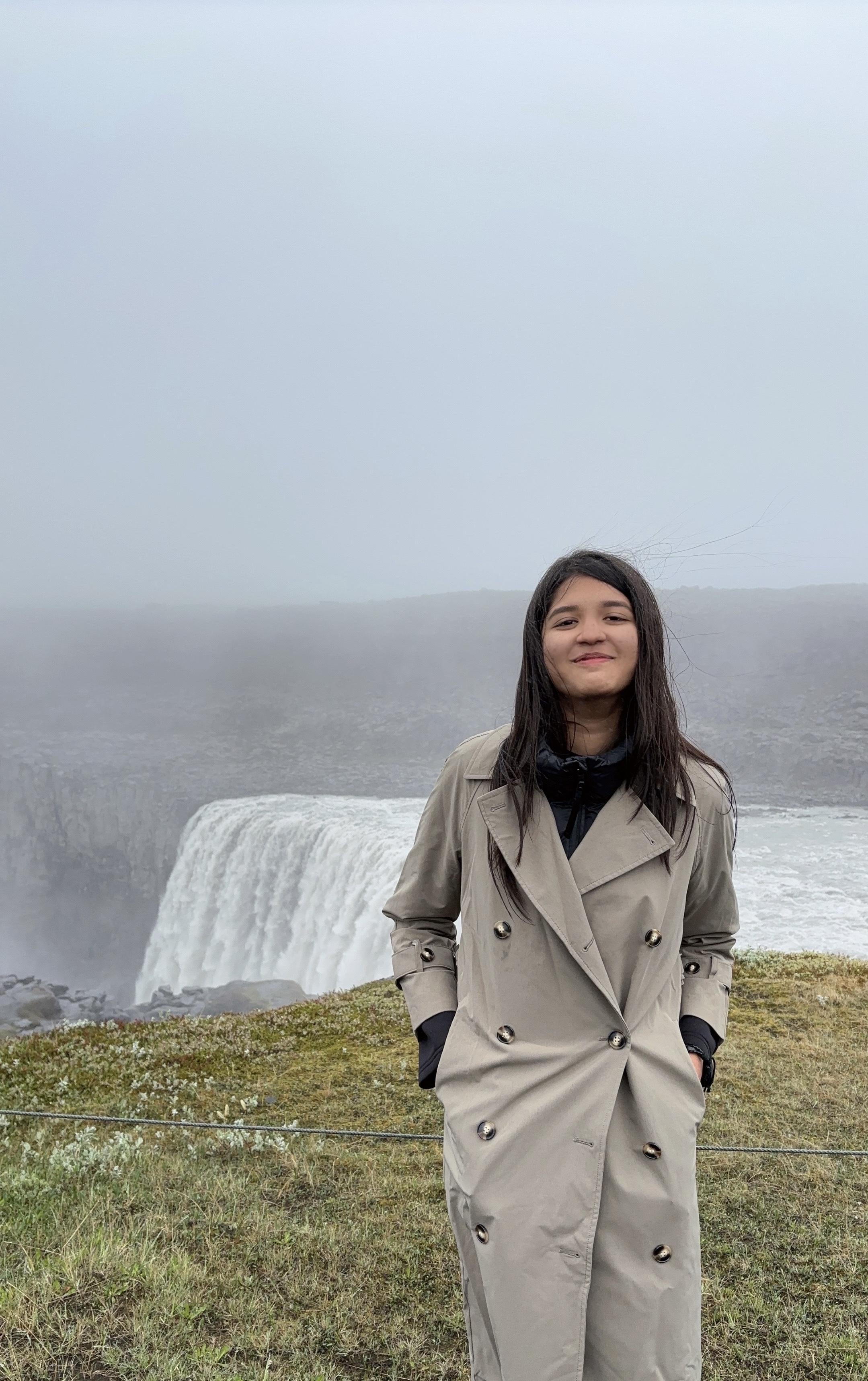
Next, we drove to Dettifoss Waterfall, Europe’s most powerful waterfall. You don’t just see Dettifoss—you feel it. The rumble, the mist, the force of all that water crashing down is something else. It’s a short hike from the parking lot, but the path can be muddy and uneven—especially after rain. My advice? Step in the mud instead of hopping across the stones—they were super slippery. A raincoat and good shoes will go a long way here!
We debated visiting Hengifoss Waterfall after that. It’s one of the tallest in Iceland and requires a solid uphill hike. With tired legs and clouds looming, we kept it optional—but if you have the energy, go for it. The red-striped cliff backdrop is stunning.
Now, about Stuðlagil Canyon—the one that got away.
We really wanted to see it. It’s one of the most photogenic places in Iceland, with striking basalt columns lining an unreal turquoise-blue river. But just a day earlier, the weather had turned, and the trails were likely to be wet and unsafe. The main hike to the canyon is about 5 km, and we weren’t sure if it was doable in those conditions without risking an injury or the rest of the trip.
There are two viewpoints—one of them (I’ll add the exact name later) is supposed to give the most iconic view of the canyon. But this spot isn’t just about showing up and snapping photos—the water isn’t always turquoise. Depending on the time of year and glacial melt, the river can sometimes turn muddy and brown, losing its magical look. I’ll add more details on which months are best and why once I dig into it further.
It still stings that we missed it—but sometimes in Iceland, safety has to come first. And honestly, the north gave us so much beauty that it’s hard to complain.
📍 Overnight: Mývatn
🗓️ Day 8: From Mývatn to the Capital of the North
Route: Mývatn → Goðafoss → Akureyri
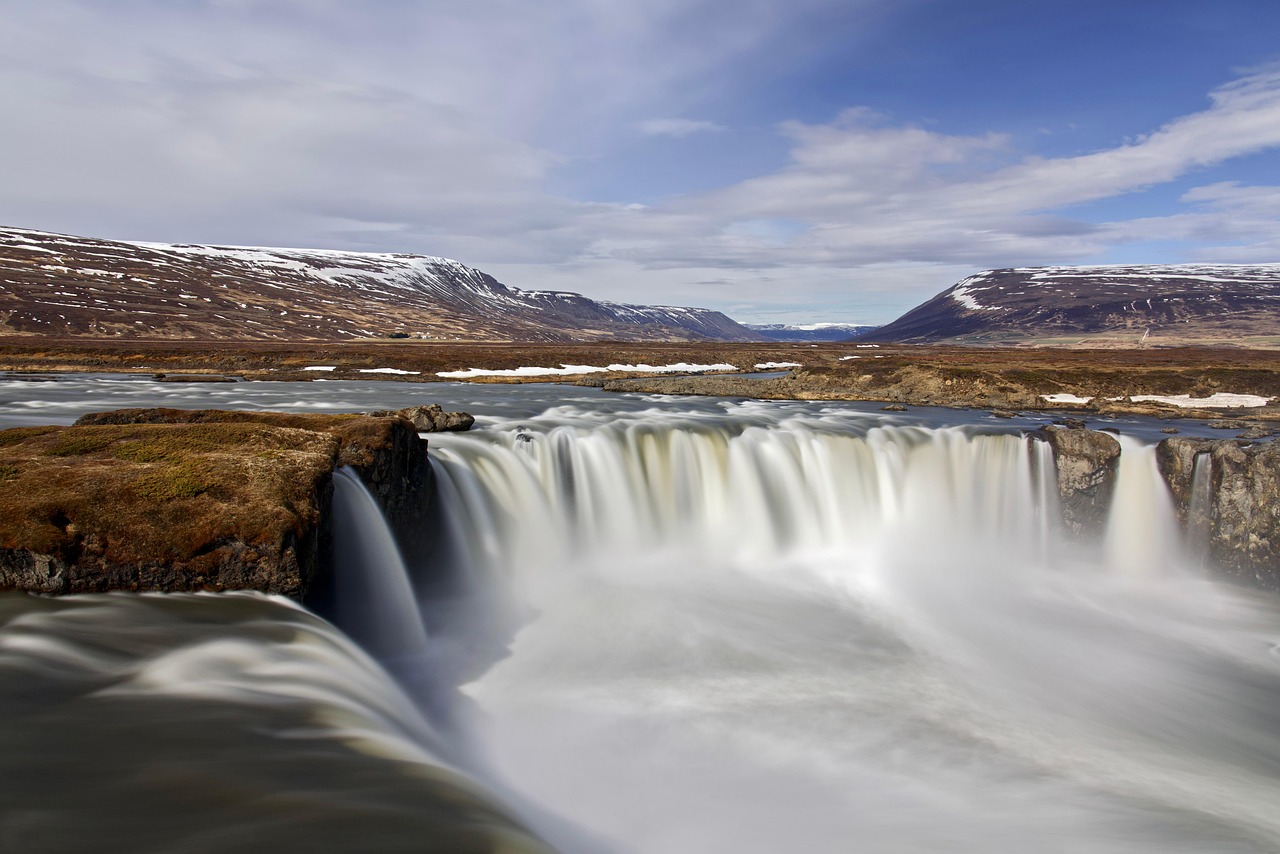
We kicked off Day 8 with a scenic drive westward, leaving the dramatic landscapes of Mývatn behind. But before reaching Akureyri, we made a stop at Goðafoss—one of Iceland’s most beautiful and historically significant waterfalls. Its name means “Waterfall of the Gods,” and once you see it, you’ll understand why. It’s not the biggest, but it’s perfectly shaped—like a natural amphitheater with water gracefully tumbling over a crescent-shaped cliff. You can walk up pretty close from both sides, and if the sun’s out, you might catch rainbows in the spray—like at many of Iceland’s falls.
From there, it was a smooth and relatively short drive into Akureyri, Iceland’s second-largest city—though “city” is relative here. Akureyri has a population of around 20,000, which is roughly one-tenth the size of Reykjavík’s metro area (home to over 230,000 people). It still feels more like a cozy, artistic town nestled by a fjord, surrounded by snow-capped mountains.
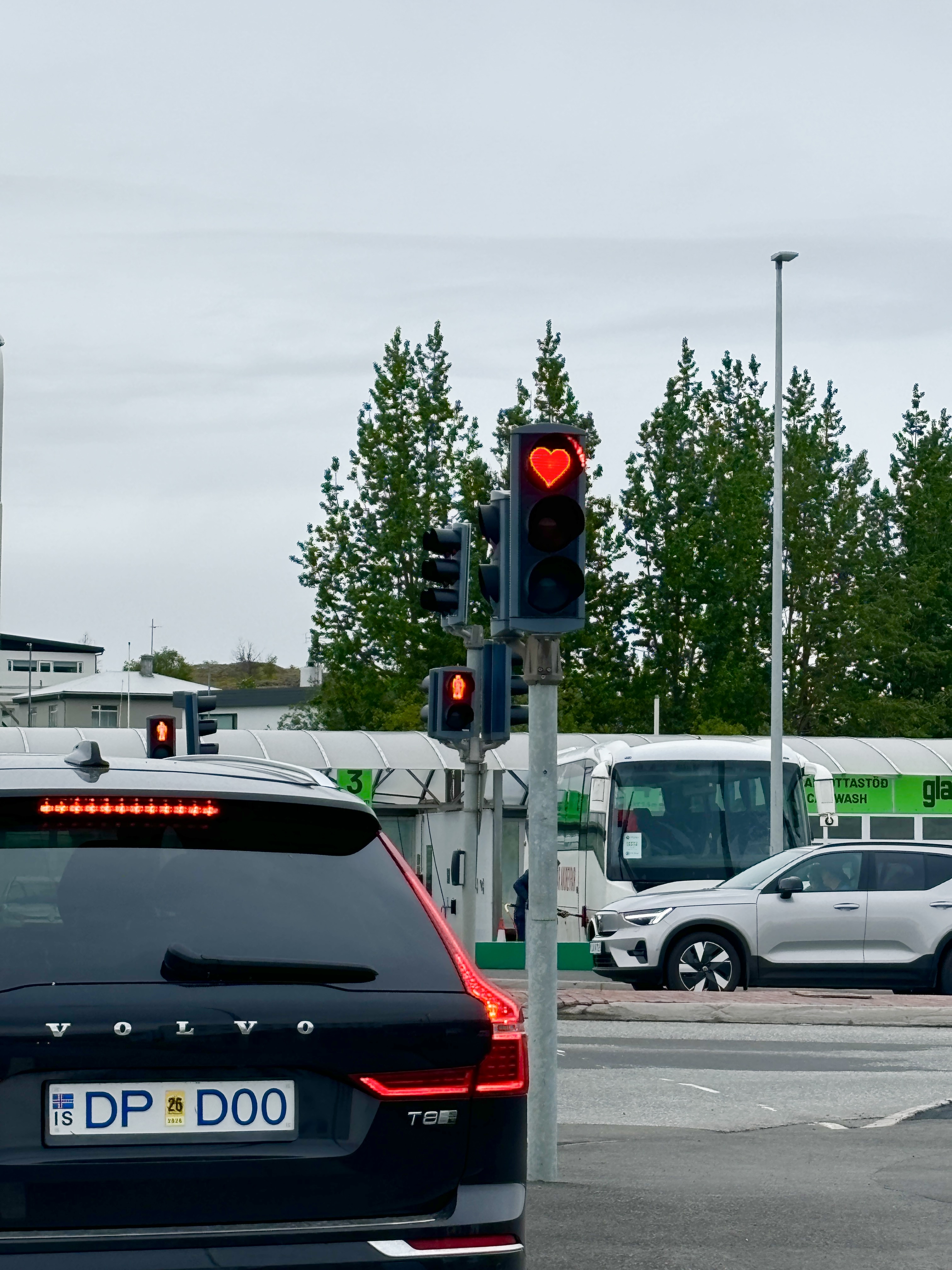
We took it slow and just enjoyed everything the town had to offer—walked around the harbor, admired the hilltop church Akureyrarkirkja, and strolled the main street lined with quirky cafes, bookstores, and shops like Icewear and 66°North. Akureyri is known for its red heart-shaped traffic lights—a little touch of love built right into the city’s DNA.
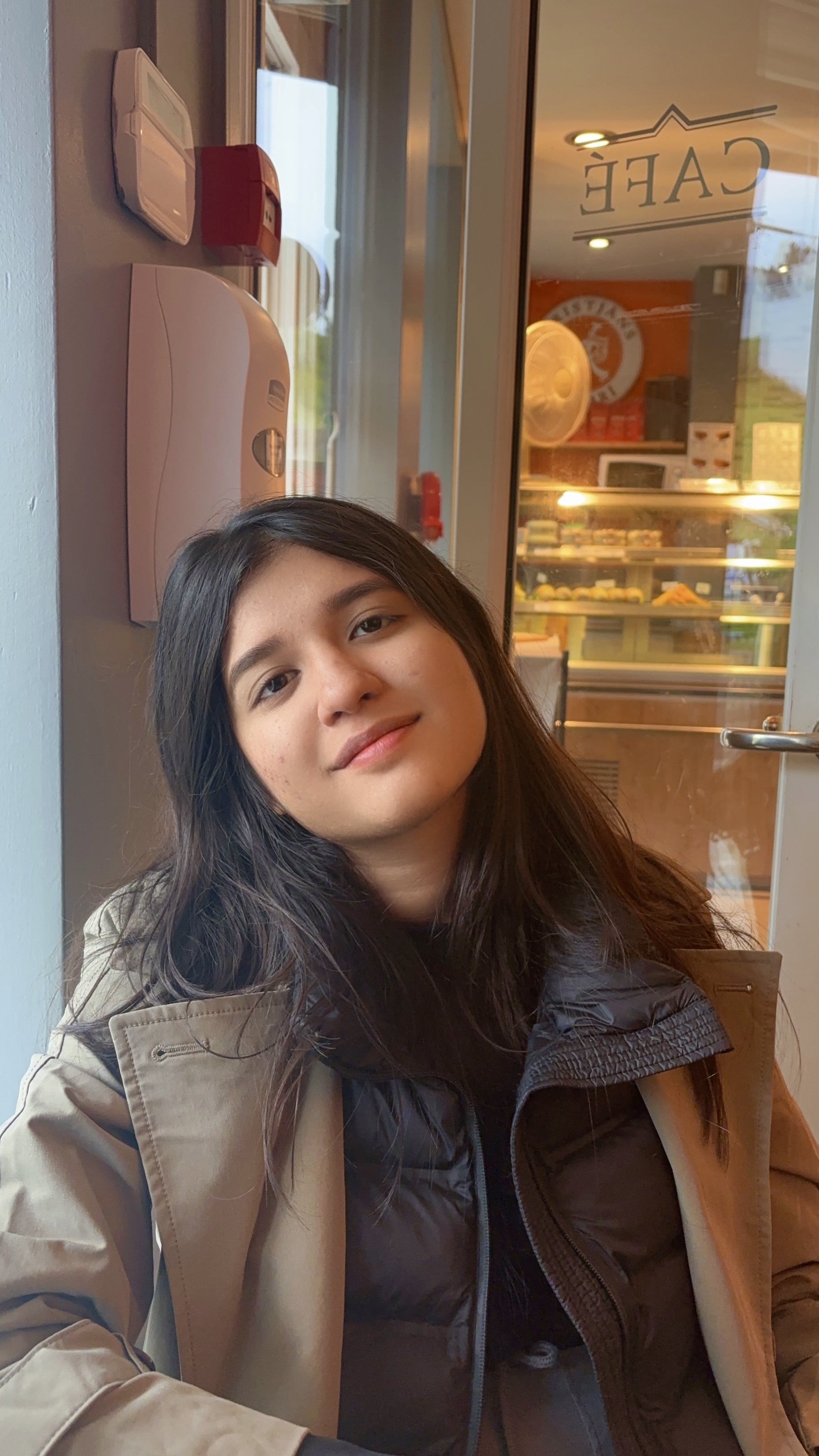
We tried Axelsbakarí and Kristinabakarí—both lovely bakeries with delicious pastries and even a free book section (yes, free!). Unfortunately, we couldn’t visit the botanical garden since it only opens between June 1 and September 30.
Our hotel was right in downtown, where all the action is. It was just a stone’s throw from Parking P1, which was super convenient. We were also lucky—since it was the weekend, parking there was completely free (on weekdays it’s chargeable between 9 AM and 4 PM—always good to double-check current timings). We spent the evening tucked away in our apartment, cooking a warm vegetarian meal and lazing on the couch — a quiet moment of comfort that felt just right amidst all the adventure.
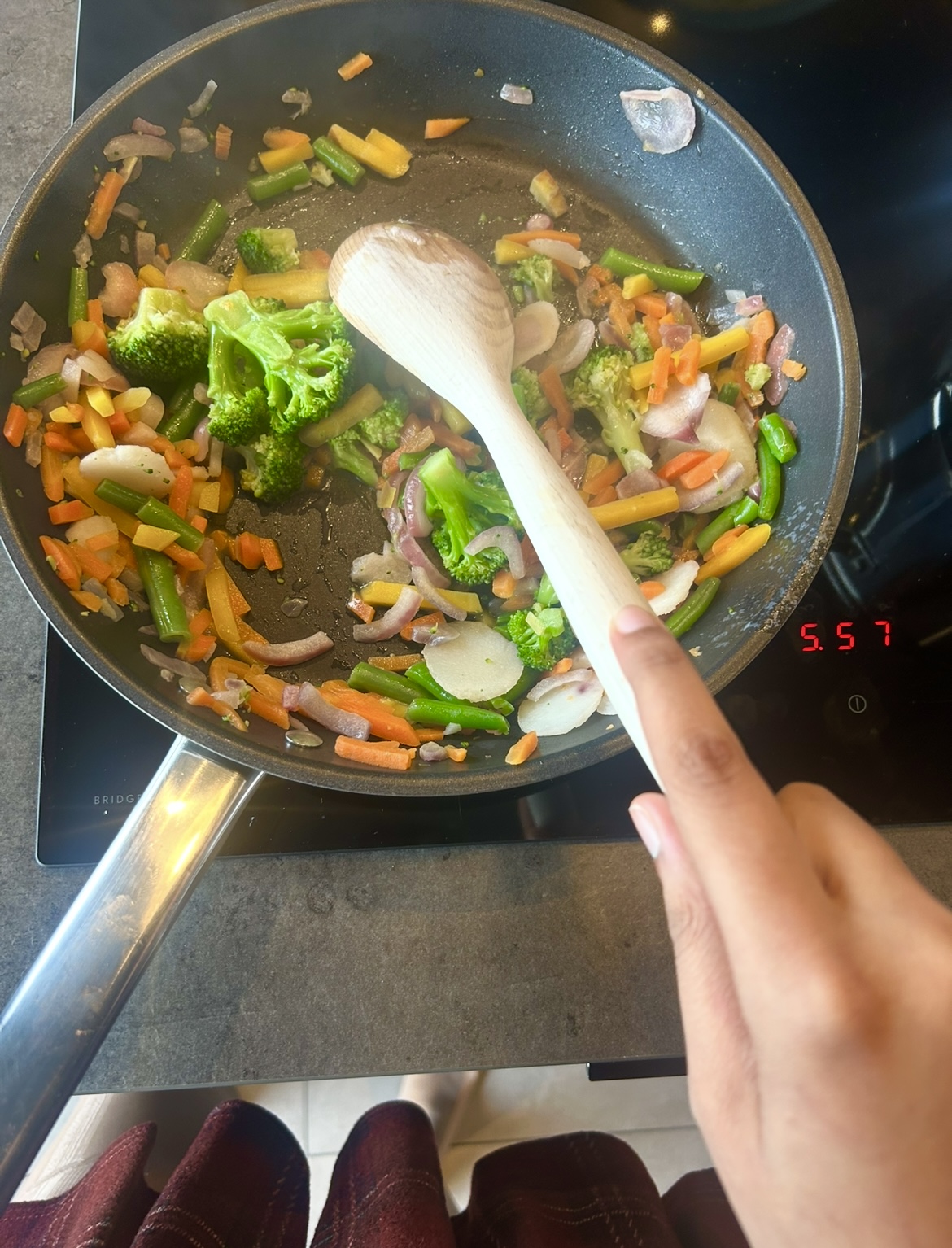

After several days of road-tripping, wind, and waterfalls, it felt good to pause, unwind, and enjoy a slower, city-paced day.
📍 Overnight: Akureyri
🗓️ Day 9: Drive to West Iceland – Remote Luxury & Peace
Route: Akureyri → Borgarnes
After spending time in the more touristy south and the raw wild north, driving into West Iceland felt like entering a quieter, more secret chapter of the trip. It’s often overlooked by visitors, but this region has its own gentle magic.
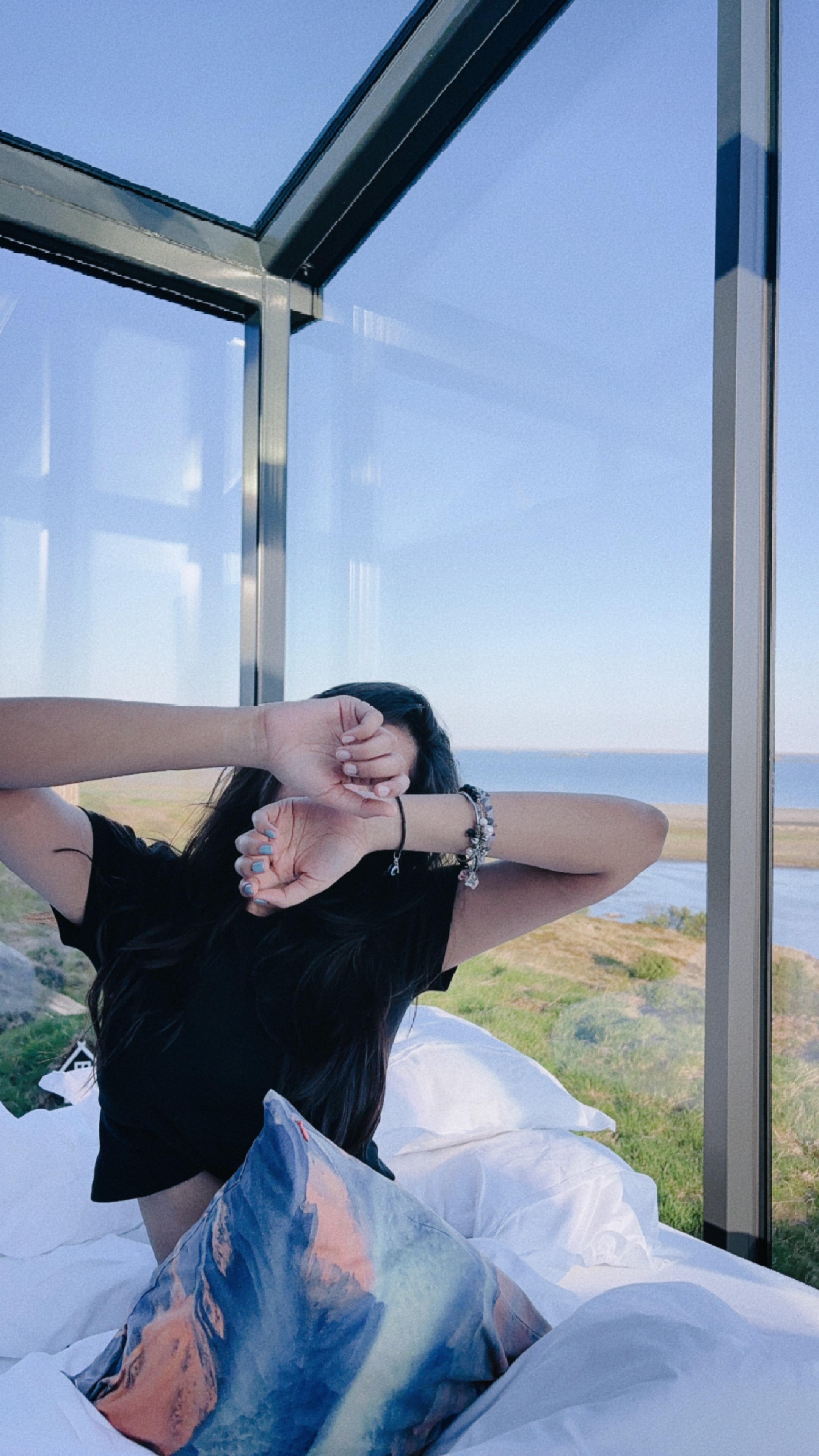
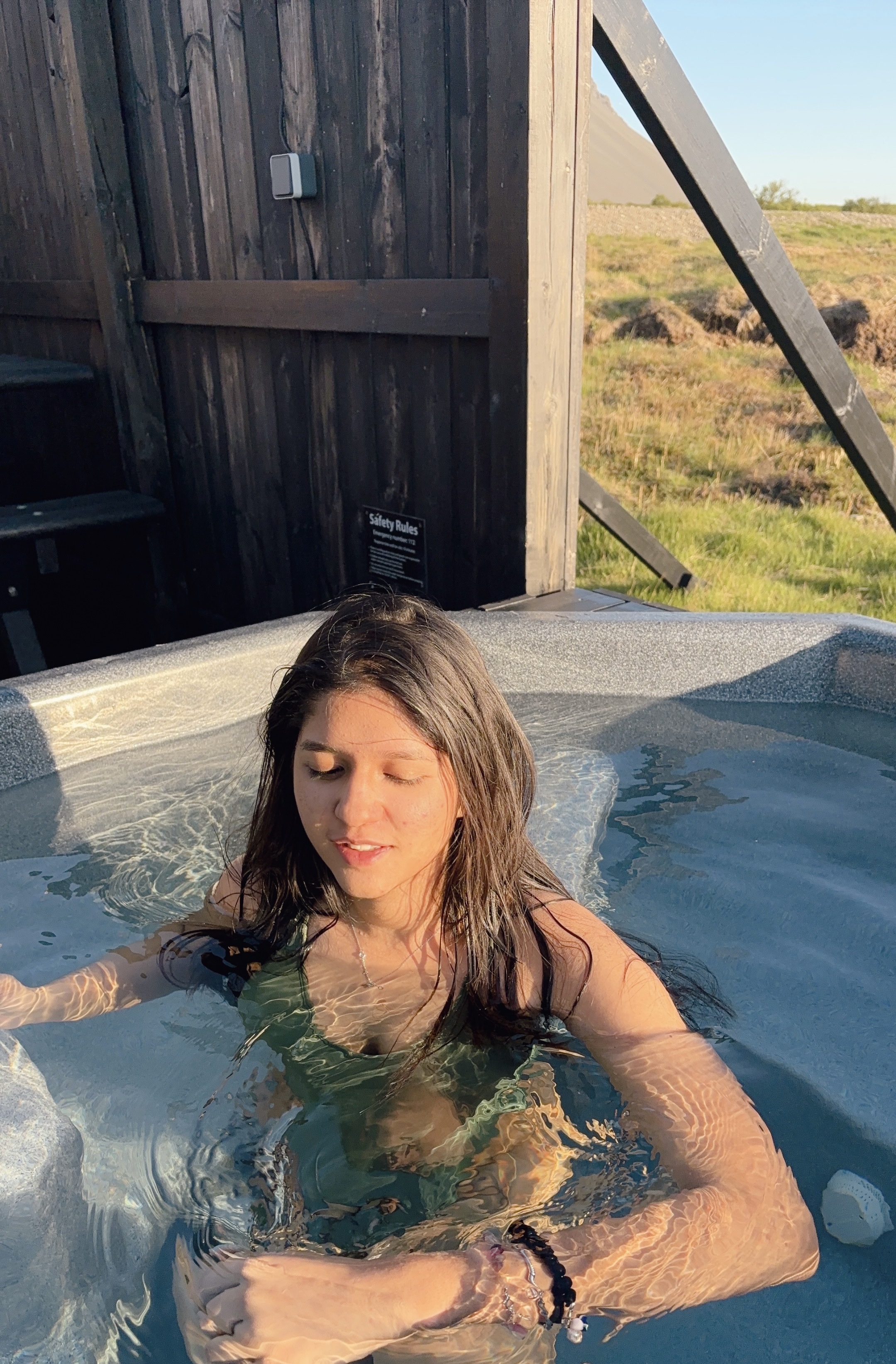
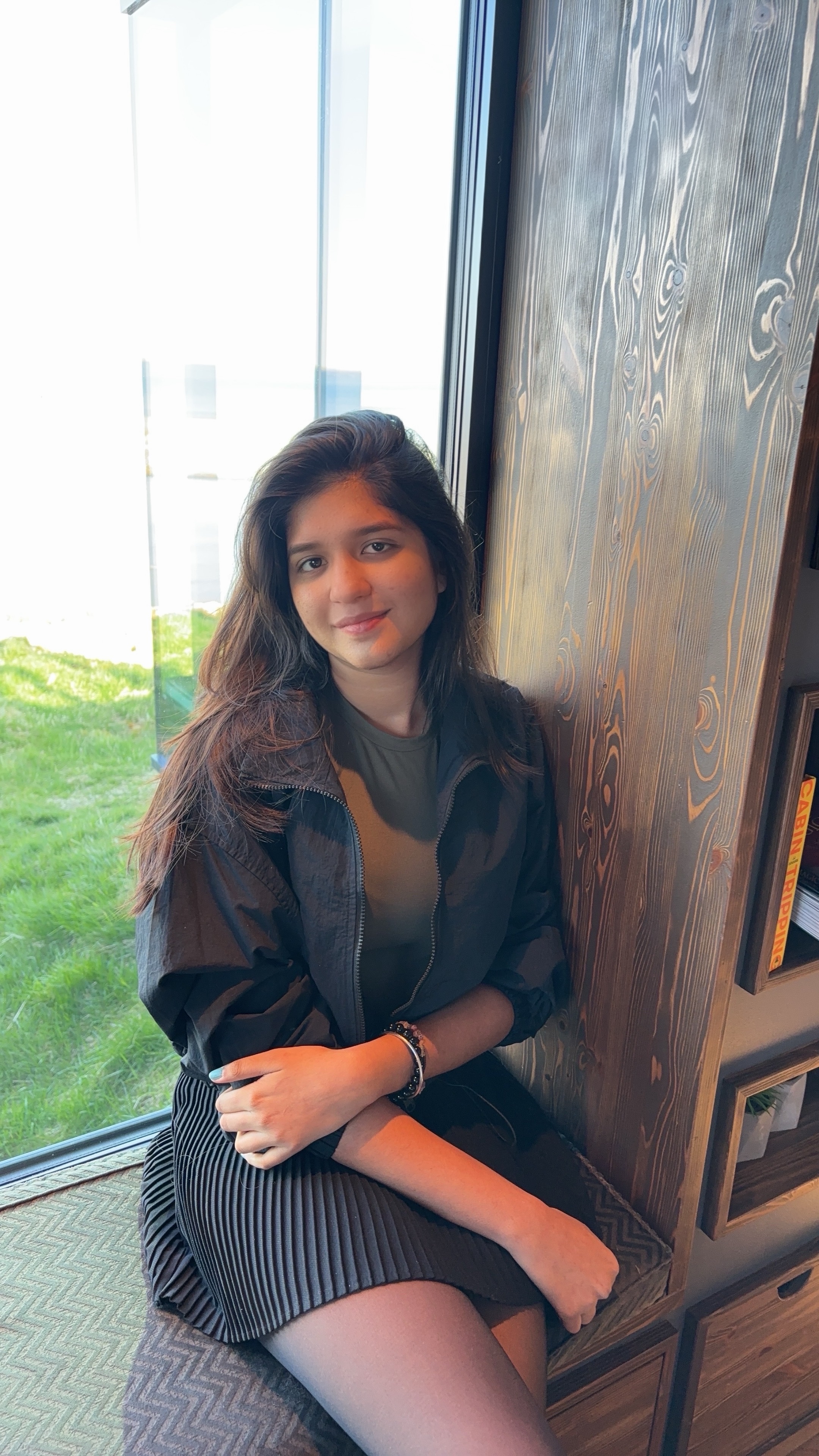
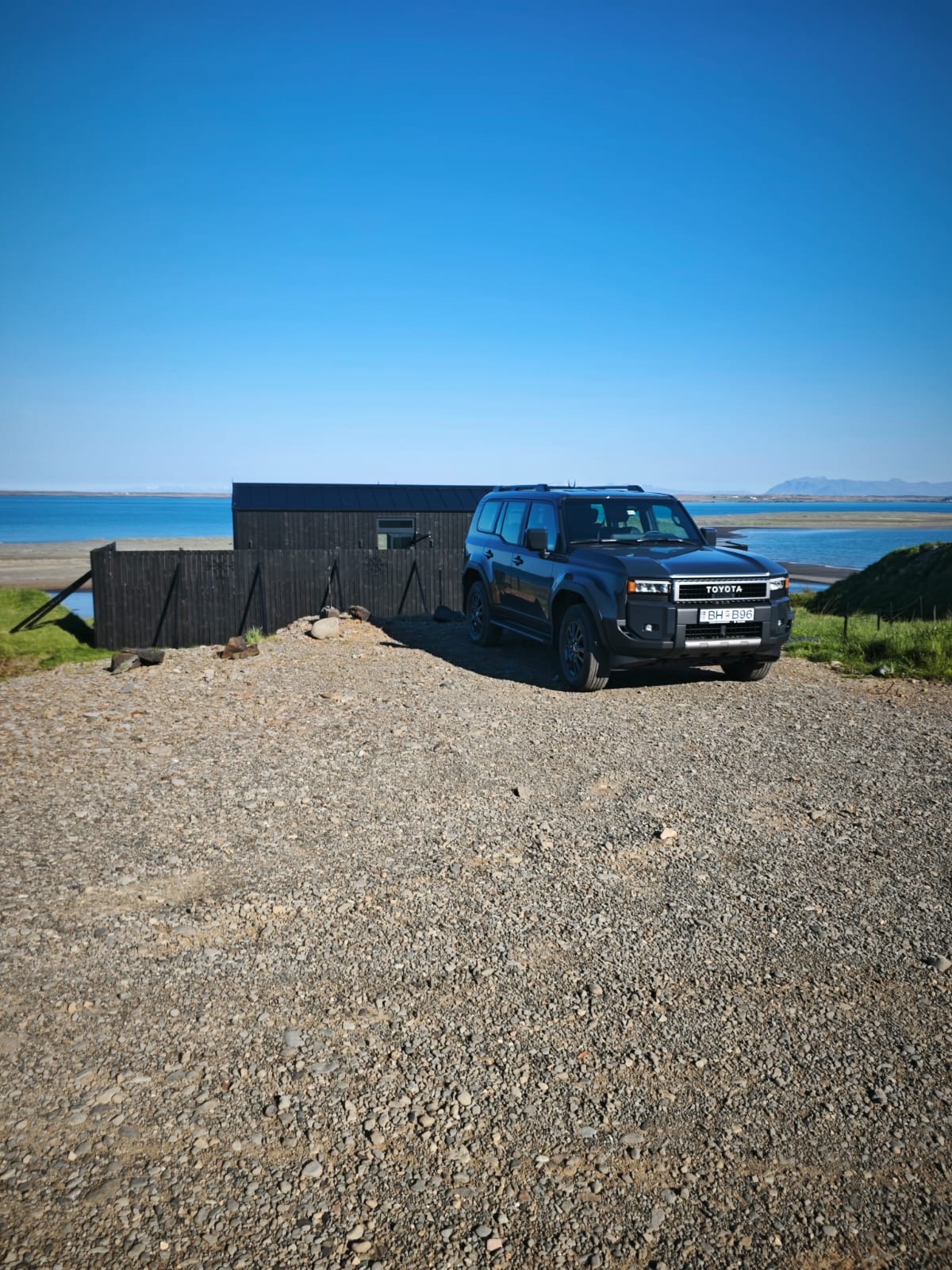
This day was extra special—it was our first time staying in a glass lodge. These lodges are popular for Northern Lights viewing in winter, but trust us, even in summer they don’t disappoint. Ours had a private hot tub and sauna, and we were surrounded by nature, with absolutely no one around. Just us, a glass roof, moody skies, and Iceland’s silence. It felt like we had the whole world to ourselves.
We stayed near Borgarnes, a peaceful town that served as the perfect base. The western coast may not be as hyped as the south, but it’s no less beautiful—just quieter and more soulful.
💭 Side note:
If you’re planning a trip and have more time than we did, don’t miss the Snæfellsnes Peninsula. It’s often called “Iceland in Miniature” because it squeezes in glaciers, lava fields, cliffs, beaches, and cute little towns—all in one area.
And yes, the super famous Kirkjufell Mountain (you’ve definitely seen it on Instagram or Game of Thrones) is there too. We didn’t go this time, and honestly, I still feel a pinch of regret. But hey, you can’t do it all—and that just gives us a reason to come back.
📍 Overnight: Borgarnes
🗓️ Day 10: Reykjavík & the Blue Lagoon
📍 Route: Borgarnes → Reykjavík → Blue Lagoon (Grindavík)
Our Iceland journey was slowly winding down, and it was time to head to Reykjavík—the quirky, creative, and colourful capital of Iceland.
Even though we didn’t start our trip here, arriving in Reykjavík at the end felt like a fitting way to wrap things up. After the stillness and solitude of the west, the city welcomed us with its buzz and energy. It’s compact, walkable, and packed with personality.
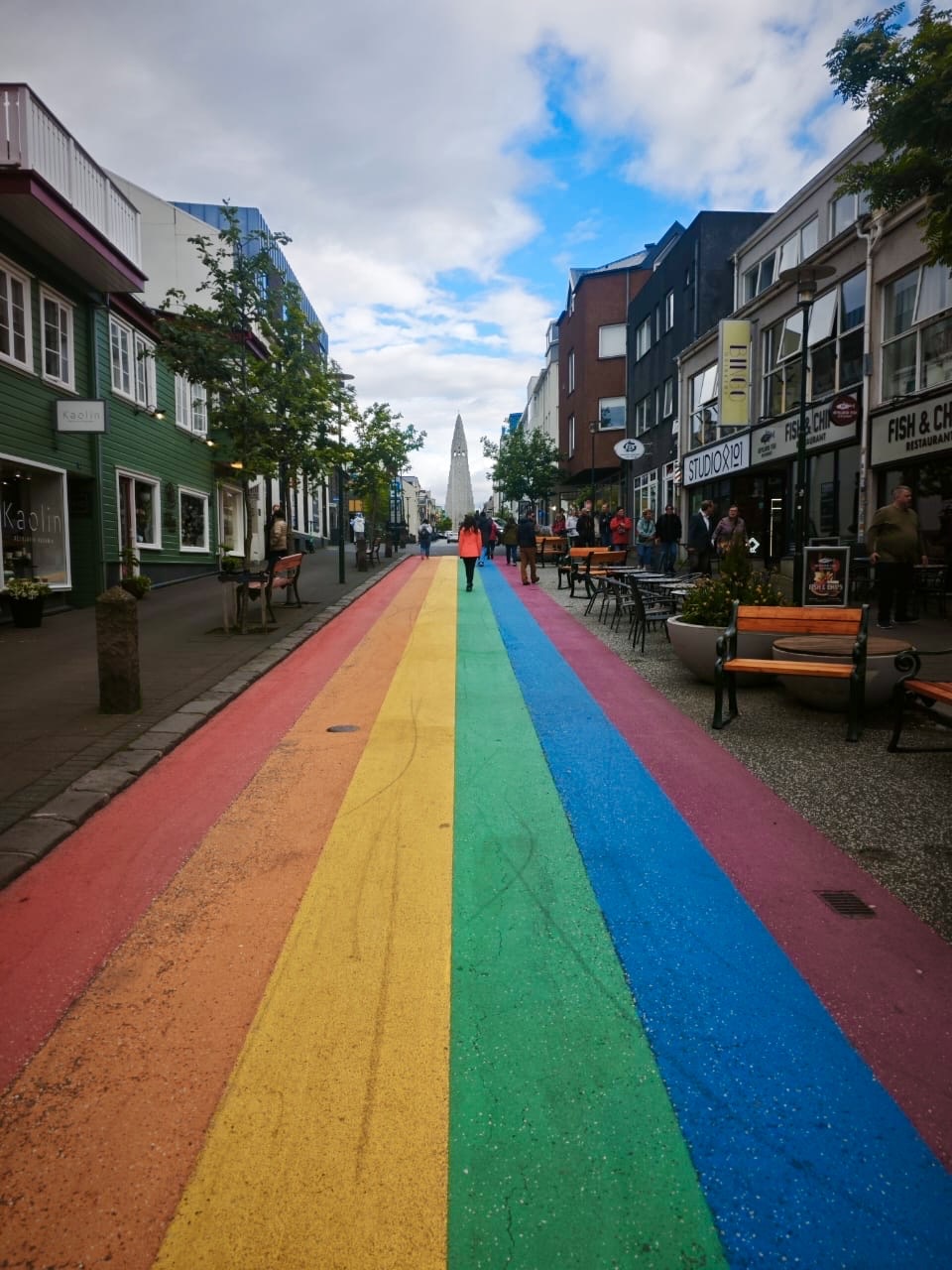
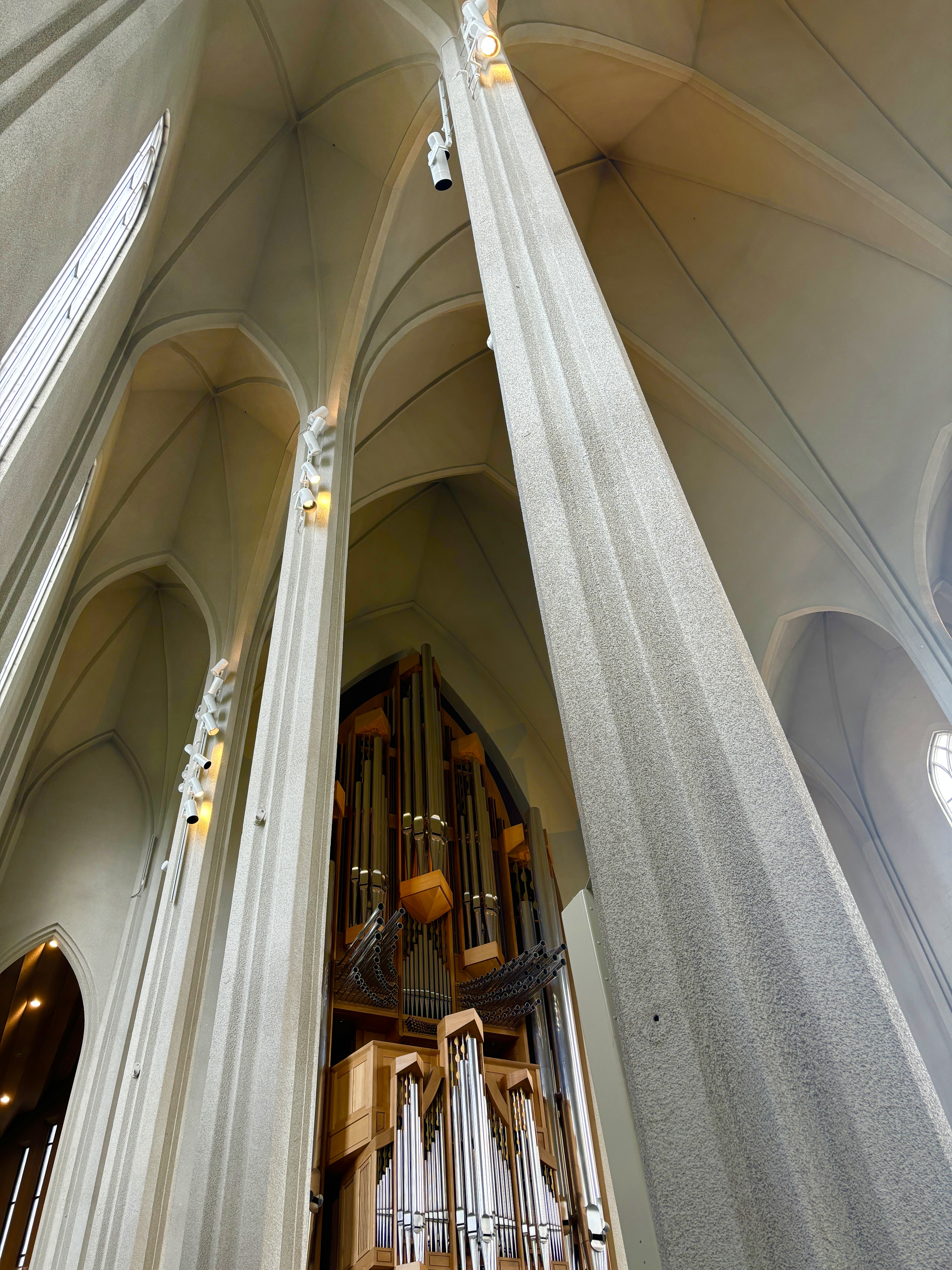
After checking in, we headed out to explore the capital. First stop: the Hallgrímskirkja Church—the iconic, spaceship-like structure that towers over the city. Its minimalist interior with giant tuning pipes and wooden pews invites quiet reflection. You can also take an elevator up to the top for panoramic views of Reykjavík’s colourful rooftops and the surrounding sea. It’s the classic Reykjavík postcard shot—and for good reason.
From there, we walked over to Harpa Concert Hall, a sleek glass marvel by the waterfront. Its honeycomb façade changes colour with the light, and stepping inside is an experience in itself. You don’t need to catch a concert—just stand under the glass ceiling and look up.
Later in the evening, we set out for one of Iceland’s most iconic experiences—the Blue Lagoon. Though most people club it with their arrival or departure (thanks to its proximity to Keflavík Airport), we chose to do it on Day 10 for a more relaxed and unhurried experience.
The drive from Reykjavík to the lagoon, about 50 km, was smooth and scenic, taking us through surreal lava fields in the Reykjanes Peninsula. The 8 PM slot we booked turned out to be just as popular as the afternoon ones, but the setting made it worthwhile.
The Blue Lagoon sits in a volcanic zone, and though a recent eruption in the area had made headlines, the geothermal spa operates with safety systems in place—including alarms for expected and actual volcanic activity. Everything was calm during our visit, as it is for most travelers.
After checking in and receiving our wristbands, we headed to the separate changing and shower rooms. Tip: grab a bathrobe if it’s included in your package. After a shower (mandatory!), we stepped into the soothing, mineral-rich, steamy blue waters.
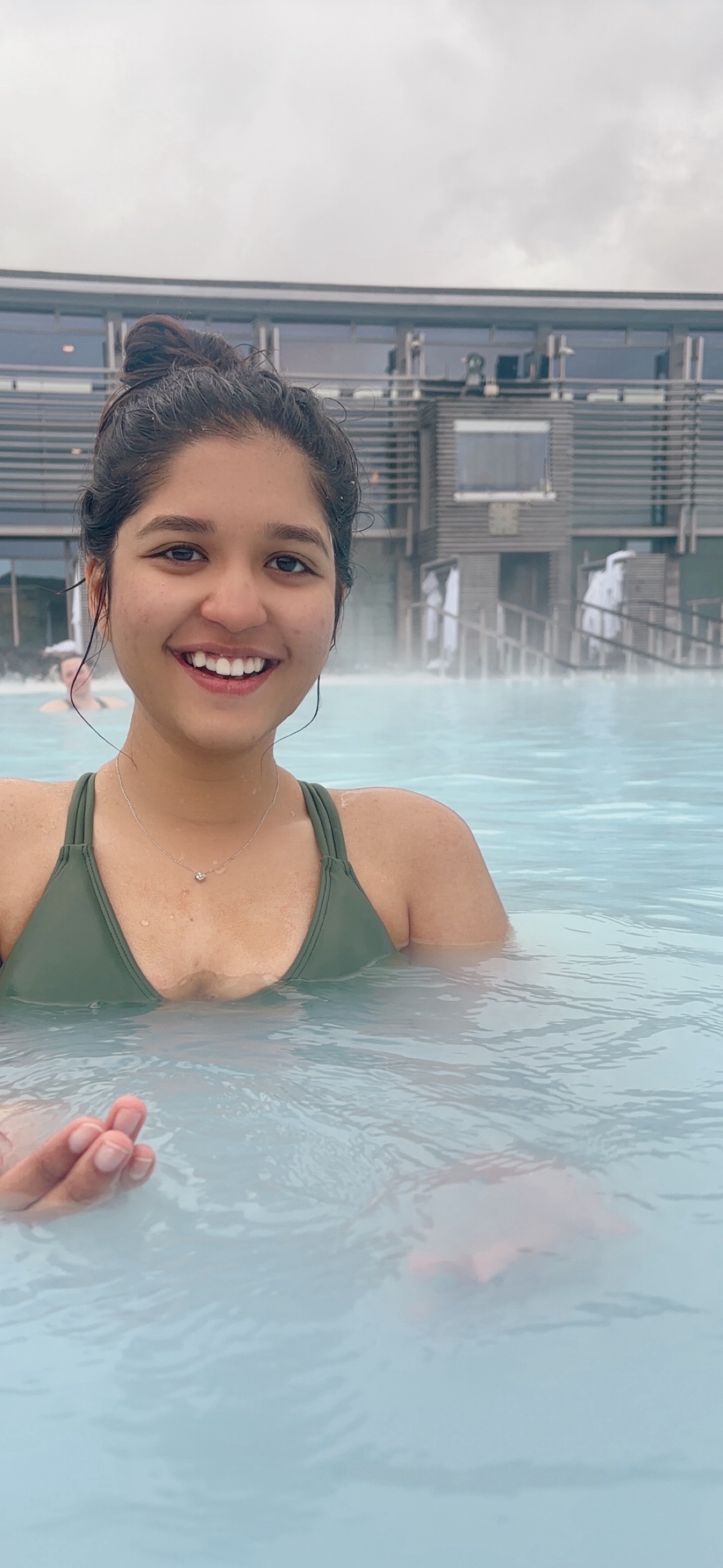
With a drink in one hand and silica mud on our faces, we floated, relaxed, and soaked in the warmth while surrounded by dramatic lava rocks and soft mist. The water was blissfully warm, and the entire setup felt like something out of a dream. We spent about an hour in the lagoon, then got back into our clothes, feeling renewed, and drove back to the city.
📍 Overnight: Reykjavík
🗓️ Day 11: Exploring Reykjavík at Our Own Pace
📍 Location: Reykjavík
With our trip nearing its end, we spent Day 11 soaking up the charm of Reykjavík one last time—and honestly, the city kept growing on us.
We strolled down Laugavegur, the city’s main shopping and café street—the real heart of town. One end leads up to Hallgrímskirkja Church, and the other down to the coast and the famous Sun Voyager steel sculpture. Along the way, we passed colourful street art, stylish boutiques like Varma, iconic outdoor stores (hello 66°North), Icewear Magasin, and tons of souvenir shops.
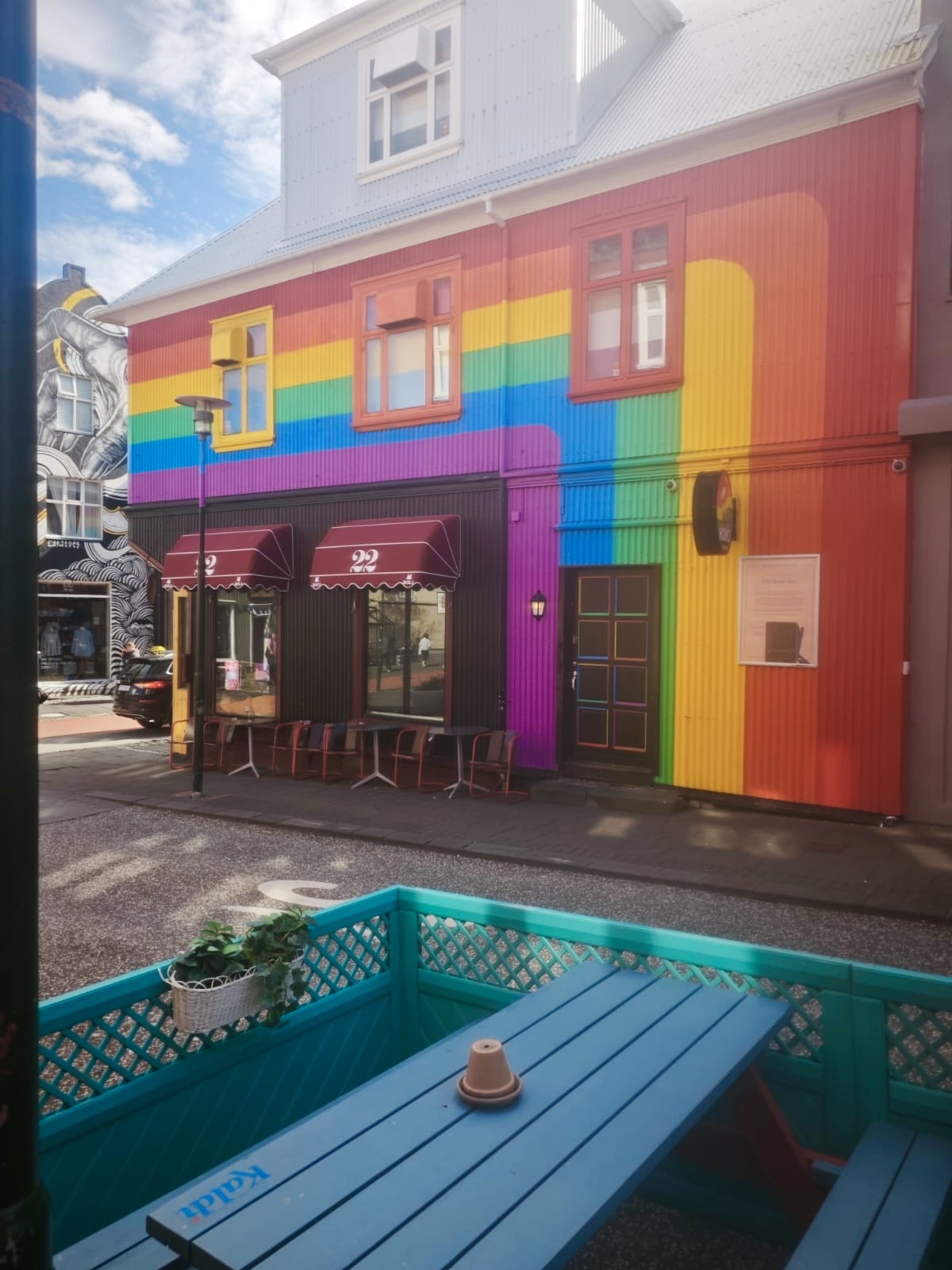
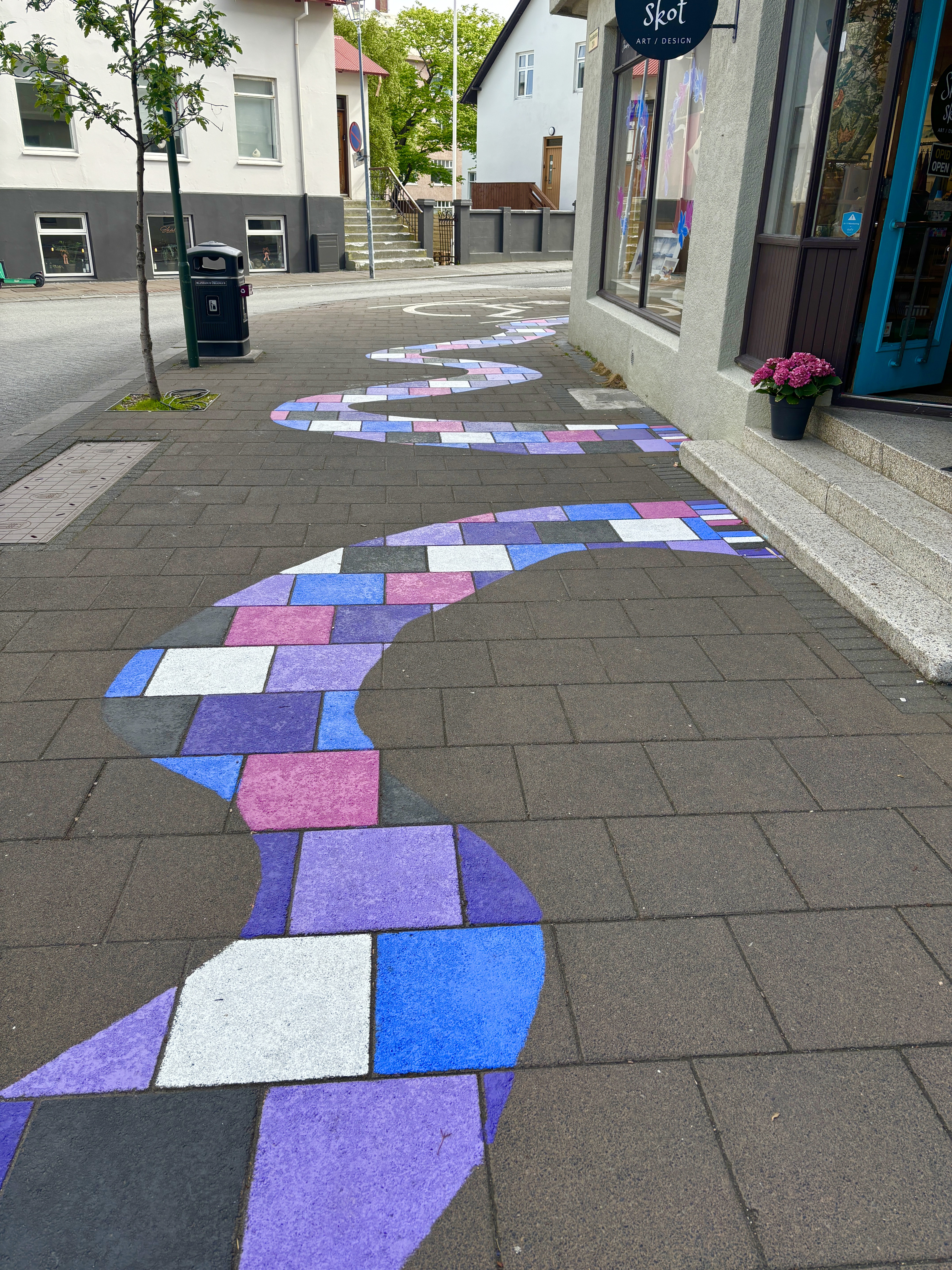
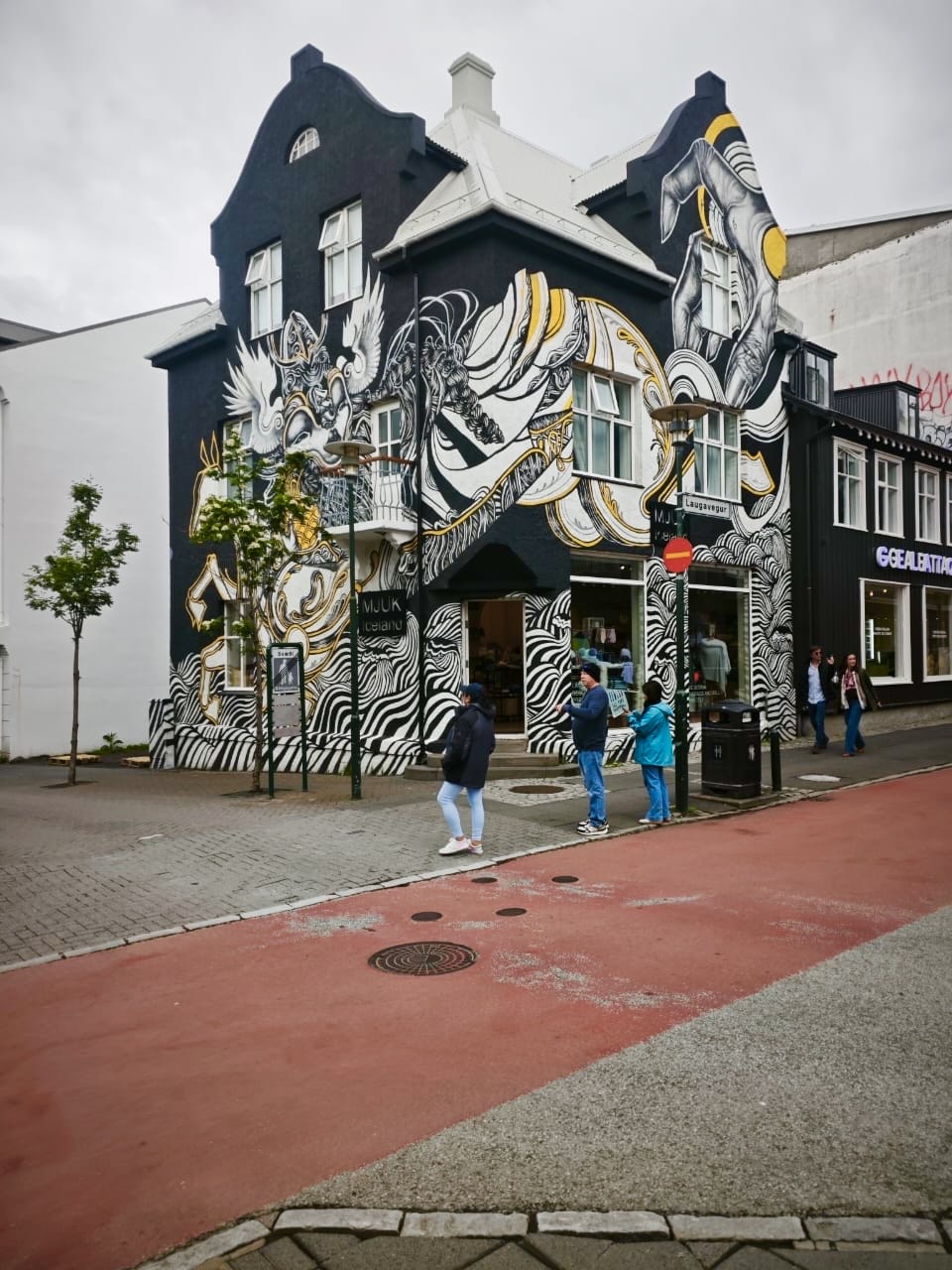
Most shops here tend to close by 6 PM, but we noticed that souvenir stores stay open a little longer, and many restaurants serve until 11:30 PM. Right opposite our hotel (The Vintage Apartment Hotel), there was a convenient 24-hour store called OkMart—perfect for picking up snacks, drinks, or any late-night essentials.
Of course, the last day also meant last-minute shopping for everyone back home. So, we ventured out to Smáralind, Reykjavík’s largest mall—about 20 minutes from Laugavegur. It had a good mix of local Icelandic brands and international favourites, all under one roof. A great one-stop shop for gifts, warm gear, or just a dose of retail therapy.
Reykjavík’s café and food scene is definitely worth exploring too. Try breakfast at Sandholt—their pastries and breads are freshly baked and unforgettable. For lunch or dinner, Rossopomodoro on Rósabrauðsstræti serves excellent thin-crust pizza, and if you’re craving a sugar rush, Loo.Koo.Mas Donuts is your go-to spot for fluffy, Greek-style donuts with a twist.
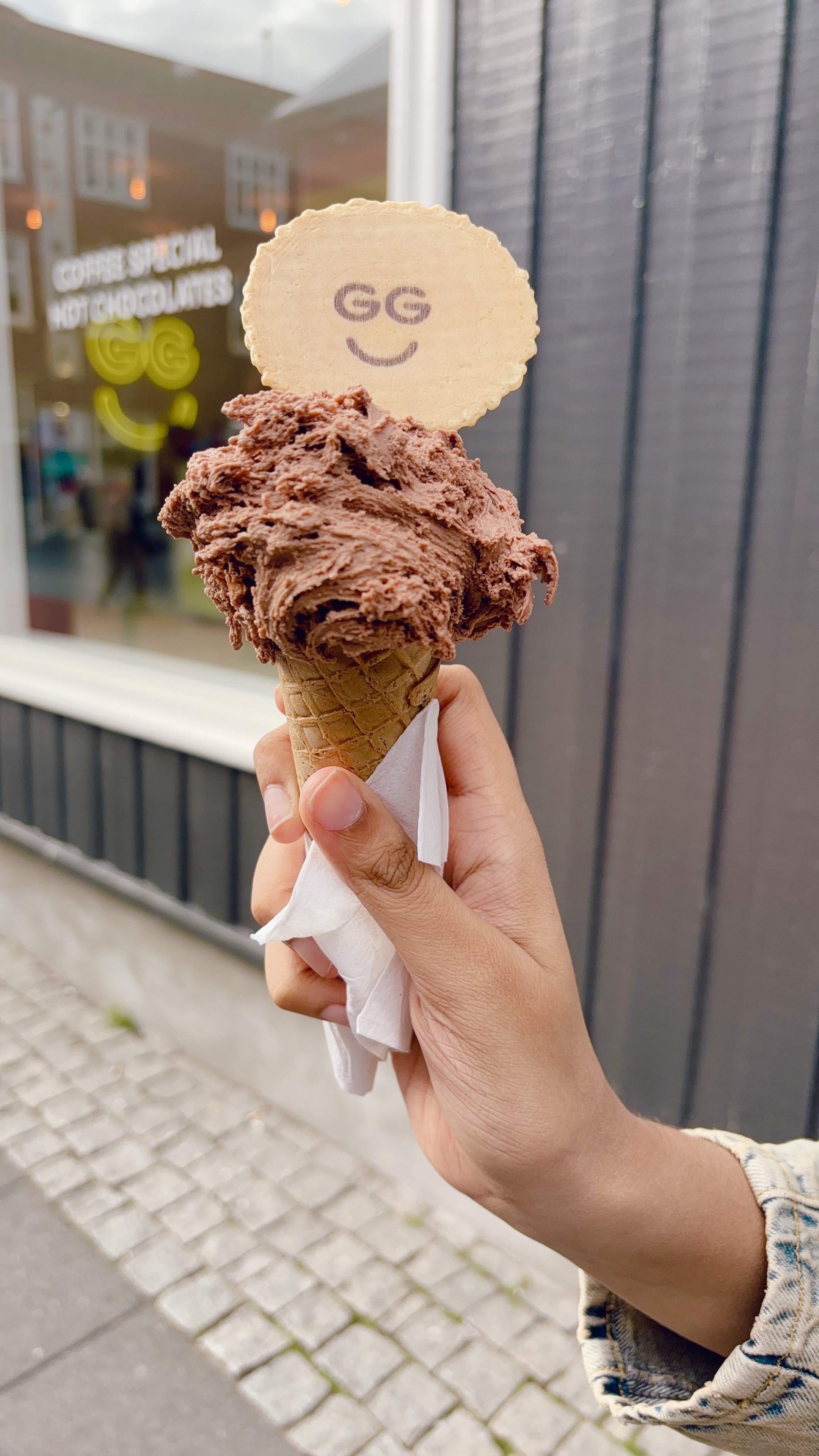
Reykjavík might be small, but it rewards you when you slow down and soak in its details.
📍 Overnight: Reykjavík
Day 12: Until Next Time, Iceland 🇮🇸
Our final day in Iceland felt like the gentle exhale after a deep, unforgettable breath. We spent the morning soaking in the last sights and sounds of Reykjavik — grabbing a slow breakfast, wandering through charming streets one last time, and picking up a few little souvenirs from Laugavegur that now carry big memories.
There wasn’t much on the agenda, and we liked it that way. After days of wild landscapes, roaring waterfalls, glaciers, lava fields, and winds that tried to sweep us off our feet, it felt right to let the last few hours unfold slowly.
As the evening approached, we headed to the airport — hearts full, camera rolls overflowing, and a quiet promise to return someday.
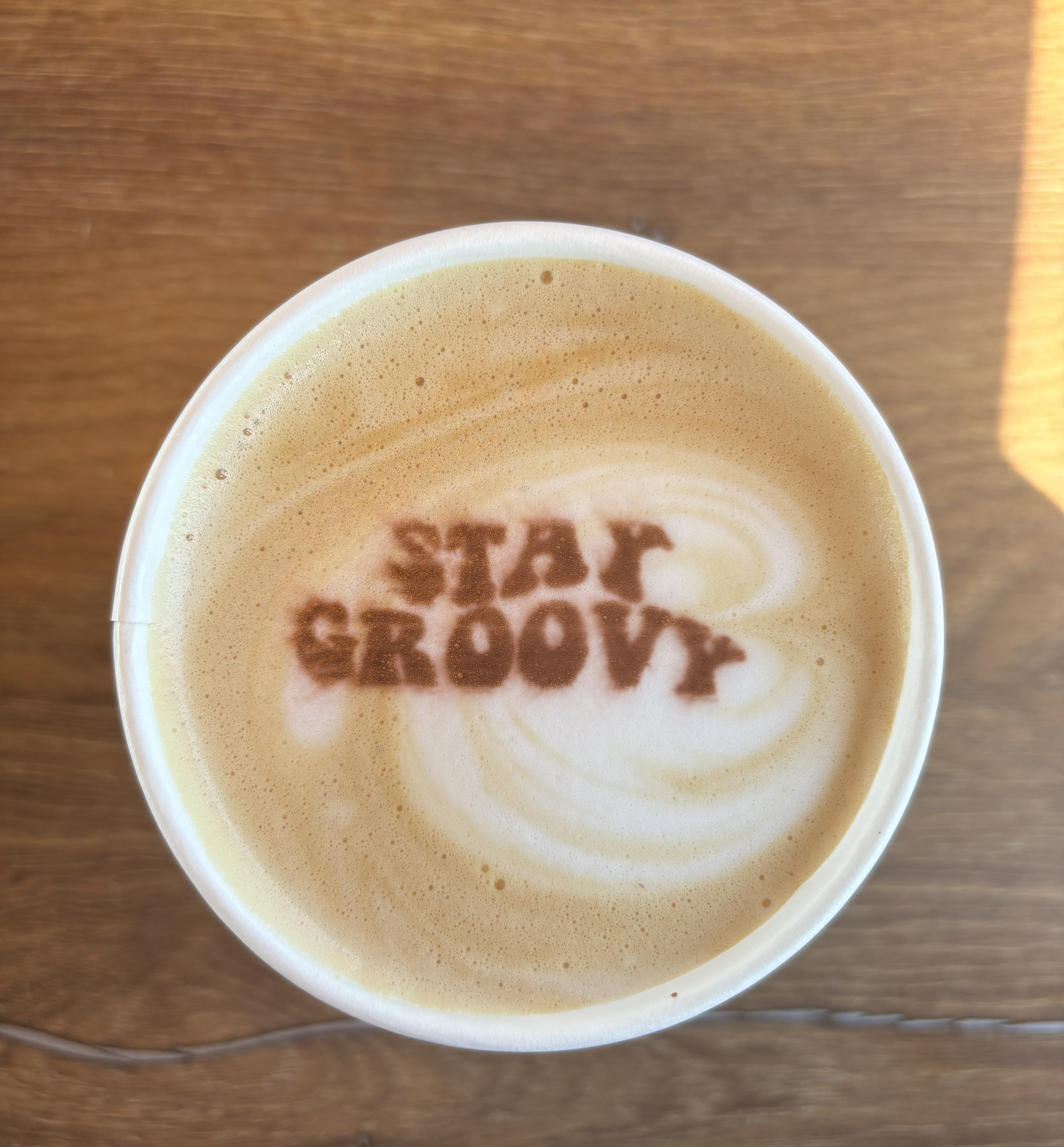
Until next time, Iceland.
👉 If heading to Iceland soon, do check out my other post on Essential Iceland Travel Tips – the kind of things you only learn through personal experience (and I’m here to share them with you!).

 MOIMEHR
Sometimes we overlook the things that ought not to be overlooked and don’t overlook the things that ought to be overlooked.Mehr truly followed her father legacy.
LikeLike